Africa
The Gold Rush: How Nigerian Youths Are Migrating To Algeria In Search Of Fortune -By Barka David
The gold rush of Nigerian youths to Algeria tells a tragic story — not of ambition, but of abandonment. It reveals a generation forced to chase survival in foreign deserts because their own nation has failed to offer them hope. As long as unemployment, corruption, and insecurity continue to cripple northern Nigeria, the sands of the Sahara will keep swallowing its restless dreamers, one truckload at a time.

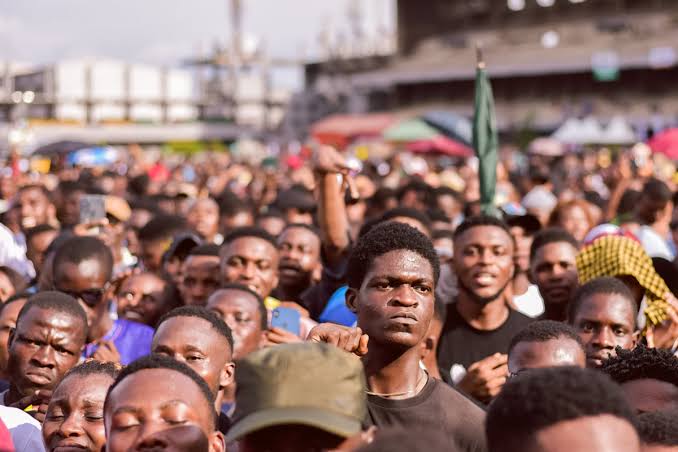
In recent years, a new and risky wave of migration has quietly emerged across northern Nigeria. Hundreds of young Nigerians, mostly from states such as Katsina, Kano, Sokoto, Kebbi, and Zamfara, are embarking on dangerous journeys across the Sahara Desert to Algeria — not in search of European asylum, but in pursuit of gold. For these youths, the allure of the “gold rush” offers an escape from poverty, unemployment, and despair, even if it means risking their lives in the desert’s deadly expanse.
The journey begins In border towns like Illela, Jibia, and Daura, where groups of young men gather daily, waiting for transporters who smuggle them through Niger Republic into southern Algeria. They travel in overloaded pickup trucks, often spending days under scorching heat with little water or food. Some never make it to their destination, dying of dehydration or exhaustion along the way. Those who survive arrive in Algeria’s remote mining fields near Tamanrasset, Ain Salah, and Djanet — where thousands of African migrants toil in harsh, unregulated conditions.
What drives these young Nigerians is not greed but desperation. The country’s economic reality has left millions jobless and hopeless. With inflation soaring and local industries collapsing, mining gold in Algeria seems to many like a better option than staying idle at home. Ironically, most of these migrants come from northern states that are themselves rich in untapped mineral resources. But due to insecurity, poor governance, and lack of investment, those resources remain largely inaccessible.
Once in Algeria, these youths face a new struggle for survival. They work in illegal gold mines without formal protection, earning meager wages for grueling labor. Armed groups often control the mining sites, demanding bribes or seizing part of the gold. Reports have surfaced of Nigerian miners being beaten, robbed, or even killed by rival gangs or security forces. Yet despite the risks, many refuse to return home. “At least here, I can make something,” one migrant from Sokoto reportedly said. “Back home, there is nothing.”
Life in the mining camps is far from glamorous. Workers live in makeshift tents, exposed to extreme temperatures and frequent sandstorms. With little access to medical care, injuries and illnesses are common. Some miners smuggle the gold back through Niger and sell it in black markets, while others trade it for food or basic goods. Algerian authorities occasionally crack down on illegal mining operations, arresting migrants and deporting them back to their countries. Still, the flow of Nigerians continues.
The phenomenon has raised serious security and humanitarian concerns. Analysts warn that the movement of young people across unmonitored desert routes could facilitate human trafficking, arms smuggling, and terrorism financing. The porous nature of Nigeria’s northern borders has made it easy for such migrations to thrive undetected. Many families do not even know the whereabouts of their sons after they leave — some never hear from them again.
Back home, local communities are feeling the social consequences. Villages in northern Nigeria have seen a significant decline in male youth population as many leave for Algeria or Libya. The absence of young men affects agriculture, family structures, and local economies. In some cases, returned migrants bring back stories of wealth, prompting more youths to attempt the journey, unaware of the dangers awaiting them.
Experts argue that this trend reflects deeper systemic failures. The lack of economic opportunities, poor education, and the collapse of vocational training have left millions of Nigerian youths stranded. The country’s solid mineral sector remains underdeveloped, even though Nigeria possesses gold, lithium, and other valuable minerals. If properly harnessed, these resources could provide jobs and discourage irregular migration.
Government response has so far been limited. While the Ministry of Mines and Steel Development has promised to formalize small-scale mining, the enforcement of mining laws and border controls remains weak. Regional cooperation between Nigeria, Niger, and Algeria is also minimal, despite the growing scale of the migration. Without a comprehensive policy that tackles poverty and border management, experts fear the situation could worsen.
The gold rush of Nigerian youths to Algeria tells a tragic story — not of ambition, but of abandonment. It reveals a generation forced to chase survival in foreign deserts because their own nation has failed to offer them hope. As long as unemployment, corruption, and insecurity continue to cripple northern Nigeria, the sands of the Sahara will keep swallowing its restless dreamers, one truckload at a time.
Barka David is a 300 Level Student From Mass Communication Department University Of Maiduguri.