
Africa
Democracy On The Brink: The Alarming Decline Of Political Stability In West Africa -By Mercy Johnson
The decline of democracy in West Africa is not inevitable — but it is urgent. The region must reclaim its democratic spirit by strengthening institutions, enforcing term limits, and promoting transparency in governance. Citizens must remain vigilant and engaged, refusing to trade freedom for false promises of stability. If democracy is to survive, it must return to its original purpose: empowering the people, not oppressing them. West Africa’s future depends on whether its leaders — and its citizens — can rediscover that truth before it’s too late.

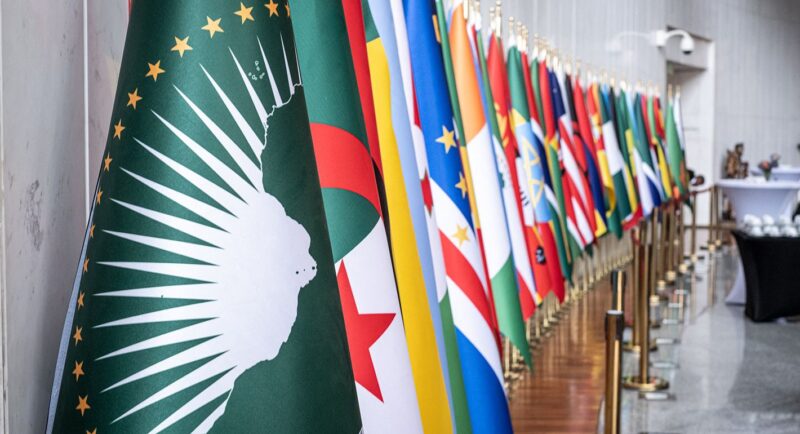
Democracy in West Africa, once a beacon of hope for the African continent, is gradually losing its shine. Over the past five years, a troubling wave of military coups, electoral crises, and constitutional manipulations has swept through the region, leaving citizens questioning whether democracy still serves their aspirations. The same nations that once celebrated transitions from dictatorship to civilian rule are now battling disillusionment, distrust, and political fatigue.
The return of military juntas in Mali, Guinea, Burkina Faso, and Niger marks one of the darkest chapters in the region’s modern political history. Each coup has followed a familiar script — public anger over corruption, insecurity, and poor governance, exploited by soldiers who promise “national salvation.” Yet, years later, the promises of reform and stability remain unfulfilled. These regimes, though initially welcomed by frustrated citizens, often slide into the same cycle of authoritarianism and repression that they claimed to replace.
Nigeria, regarded as the region’s democratic anchor, has not been immune to its own crises. Although the country has sustained civilian rule since 1999, recurring issues such as electoral malpractice, voter intimidation, and judicial manipulation continue to plague its political system. The 2023 general elections, marred by allegations of irregularities and voter suppression, deepened public skepticism about whether democracy in Nigeria truly reflects the will of the people. For many, democracy now feels like a game played by the powerful at the expense of the powerless.
Across the subregion, political ambition has increasingly overshadowed democratic principles. In Guinea, former President Alpha Condé amended the constitution to seek a controversial third term in 2020, a move that ignited violent protests and ultimately led to his ouster. In Senegal, the long-serving President Macky Sall faced mass demonstrations amid speculation about his plans for a third term before he eventually ruled himself out of the 2024 race. These examples reflect a broader pattern of leaders who treat constitutional limits as mere suggestions rather than binding rules.
The consequences of these political tensions have been devastating. Economies have suffered as investors flee unstable environments. Civil liberties have been eroded under the guise of national security, and the media in many countries face harassment and censorship. Citizens who once placed their hopes in democracy now express nostalgia for the “stability” of military rule — a dangerous sentiment that reflects how deeply governance has failed to meet public expectations.
At the heart of this democratic backslide lies a crisis of leadership. The absence of visionary, accountable, and selfless leaders has made democracy in West Africa fragile. Corruption, nepotism, and the misuse of state resources have become the norm rather than the exception. Elections are often treated as contests of wealth rather than ideas, while public service is seen as an avenue for personal enrichment. Until governance is redefined as service to the people, not self-interest, democracy will continue to struggle.
Regional organizations such as ECOWAS and the African Union have tried to stem the tide, but their interventions have been inconsistent and sometimes politically motivated. While ECOWAS has imposed sanctions on coup-led governments, critics argue that it often overlooks similar abuses by “democratically elected” leaders. This selective enforcement undermines the credibility of these institutions and reinforces public cynicism about their true motives.
Youth movements across West Africa, however, are beginning to challenge the status quo. In Nigeria, Ghana, and Senegal, social media campaigns and street protests have given rise to a new generation of politically conscious citizens. The 2020 #EndSARS movement in Nigeria, for instance, demonstrated how digital platforms can mobilize civic participation and demand accountability. Yet, many of these movements are met with state repression, arrests, and censorship — further eroding the democratic space they seek to protect.
The international community also bears some responsibility. Western powers have often prioritized security cooperation and access to natural resources over genuine democratic reforms. This double standard has emboldened both dictators and coup plotters, who exploit global power politics to maintain their grip on power. For democracy to thrive, external actors must align their policies with the values they publicly promote.
The decline of democracy in West Africa is not inevitable — but it is urgent. The region must reclaim its democratic spirit by strengthening institutions, enforcing term limits, and promoting transparency in governance. Citizens must remain vigilant and engaged, refusing to trade freedom for false promises of stability. If democracy is to survive, it must return to its original purpose: empowering the people, not oppressing them. West Africa’s future depends on whether its leaders — and its citizens — can rediscover that truth before it’s too late.
Mercy Johnson is a 300 Level Student From Mass Communication Department University Of Maiduguri.


















You must be logged in to post a comment Login