Education
The Relevance of the Osun-Osogbo Grove as a Means of Cultural Tourism in Nigeria -By Anaeto Chioma Ann
Cultural tourism at the Osun-Osogbo Grove also plays an important role in economic development and cultural preservation. The site generates revenue for the local economy through tourism-related activities such as hotel accommodations, transportation services, guided tours, and the sale of traditional crafts. Many local artisans create souvenirs, including beadwork, carvings, and textiles, which reflect Yoruba artistic heritage and are highly sought after by visitors.

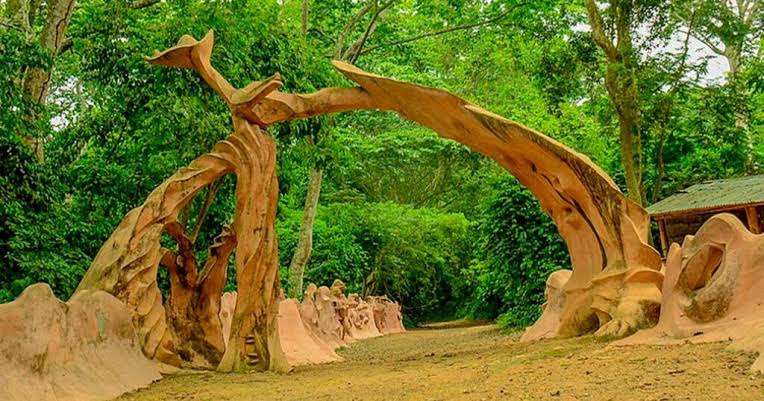
Nigeria is home to a vast array of cultural and historical landmarks that reflect the country’s rich heritage. One of the most significant of these is the Osun-Osogbo Sacred Grove, a UNESCO World Heritage Site located in Osogbo, Osun State. The grove is regarded as the spiritual home of Osun, the Yoruba goddess of fertility and prosperity, and it serves as an important center for traditional worship and cultural celebration. It is also the site of the famous Osun-Osogbo Festival, which draws thousands of tourists, devotees, and cultural enthusiasts annually. Beyond its religious significance, the grove has become a major cultural tourism destination, attracting visitors from within and outside Nigeria. As a symbol of indigenous Yoruba traditions, the Osun-Osogbo Grove plays a vital role in preserving Nigerian heritage while also contributing to economic development through tourism. However, despite its immense potential, challenges such as environmental degradation, modernization, and infrastructural deficits threaten its sustainability.
The Osun-Osogbo Grove is not only a sacred space but also an artistic and historical treasure that showcases the rich cultural expressions of the Yoruba people. The site is home to numerous shrines, sculptures, and sanctuaries, many of which were restored and redesigned by Austrian artist Susanne Wenger, who dedicated her life to preserving the sacred forest. Wenger’s contributions helped to safeguard the spiritual and artistic elements of the grove, ensuring that traditional religious symbols and artistic representations of Yoruba deities remain intact. The blend of traditional Yoruba art and modern sculptural interpretations makes the grove a significant cultural landmark. Visitors to the grove can explore its unique architecture, sacred river, and symbolic artistic representations of Yoruba cosmology. These features make the site attractive to cultural tourists, historians, and art lovers, thereby positioning it as an important destination for those interested in African heritage. Additionally, the grove serves as an educational and research center for scholars studying Yoruba religion, African indigenous spirituality, and traditional ecological conservation practices.
One of the main attractions of the Osun-Osogbo Grove is the annual Osun-Osogbo Festival, which has gained international recognition as one of Nigeria’s most prominent cultural festivals. The festival, which takes place in August, is a grand celebration that features traditional processions, drumming, dancing, and spiritual rituals. A highlight of the festival is the Arugba procession, where a young virgin girl carries offerings to the river goddess Osun. This symbolic ritual is believed to bring blessings and prosperity to the community. The festival serves as a platform for cultural education, enabling both locals and tourists to witness and participate in age-old Yoruba traditions. Additionally, it significantly boosts local businesses, as artisans, vendors, and service providers benefit from the influx of visitors. The festival provides a rare opportunity for cultural exchange, where international tourists experience Yoruba heritage firsthand, fostering cross-cultural appreciation and global recognition of Nigeria’s rich traditions. Beyond the festival period, visitors to the grove can engage in guided tours, storytelling sessions, and spiritual consultations, further enriching their cultural tourism experience.
Cultural tourism at the Osun-Osogbo Grove also plays an important role in economic development and cultural preservation. The site generates revenue for the local economy through tourism-related activities such as hotel accommodations, transportation services, guided tours, and the sale of traditional crafts. Many local artisans create souvenirs, including beadwork, carvings, and textiles, which reflect Yoruba artistic heritage and are highly sought after by visitors. These activities provide employment opportunities for many local residents, thereby improving livelihoods and sustaining indigenous craftsmanship. Furthermore, the grove serves as an important center for research and education, attracting scholars interested in African traditional religion, history, and conservation efforts. By sustaining tourism at the grove, Nigeria not only preserves its cultural heritage but also provides employment opportunities for local communities, ensuring that traditional knowledge and craftsmanship continue to thrive. Additionally, the revenue generated from tourism could be reinvested in the conservation of the grove, helping to maintain its natural and spiritual significance.
Despite its significance, the Osun-Osogbo Grove faces several challenges that threaten its sustainability as a cultural tourism site. Issues such as environmental degradation, deforestation, and urban encroachment have put the grove at risk. Illegal logging, improper waste disposal, and pollution of the Osun River are major concerns that threaten the site’s ecological balance. Additionally, modernization and religious intolerance have led to a decline in the practice of traditional worship, affecting the participation of younger generations in cultural activities. The increasing influence of foreign religions, combined with a lack of awareness about the historical significance of the grove, has resulted in reduced engagement with traditional rituals. Furthermore, inadequate infrastructure and government support limit the growth of cultural tourism in the region. Poor road networks, insufficient accommodation facilities, and lack of proper marketing strategies hinder the full exploitation of the grove’s tourism potential. To fully harness the potential of the grove, there is a need for stronger conservation efforts, improved infrastructure, and better promotion of cultural tourism initiatives. By addressing these challenges, Nigeria can ensure that the Osun-Osogbo Grove continues to serve as a beacon of cultural heritage, spiritual tradition, and economic growth for generations to come. With the right investments in preservation and sustainable tourism practices, the Osun-Osogbo Grove has the potential to remain a globally recognized cultural landmark that celebrates Nigeria’s rich heritage.
Anaeto Chioma Ann, Asst. Chief Ethnographer, National Commission for Museums and Monuments, Abuja.