Africa
The Yoruba Nation is at a Crossroads -By John Oyebanji
It is also worth stressing that no monarch in Yorubaland has jurisdiction over another’s domain. The Ọọni cannot issue royal instructions to the Ondos, just as the Alaafin cannot dictate to the Ijebus. Each king reigns supreme within his own territory. In today’s 21st century Yoruba society, it is “to your tents, oh Israel; to your domains, oh monarchs.” Any courtesies extended between these revered stools are acts of mutual respect, not obligations.

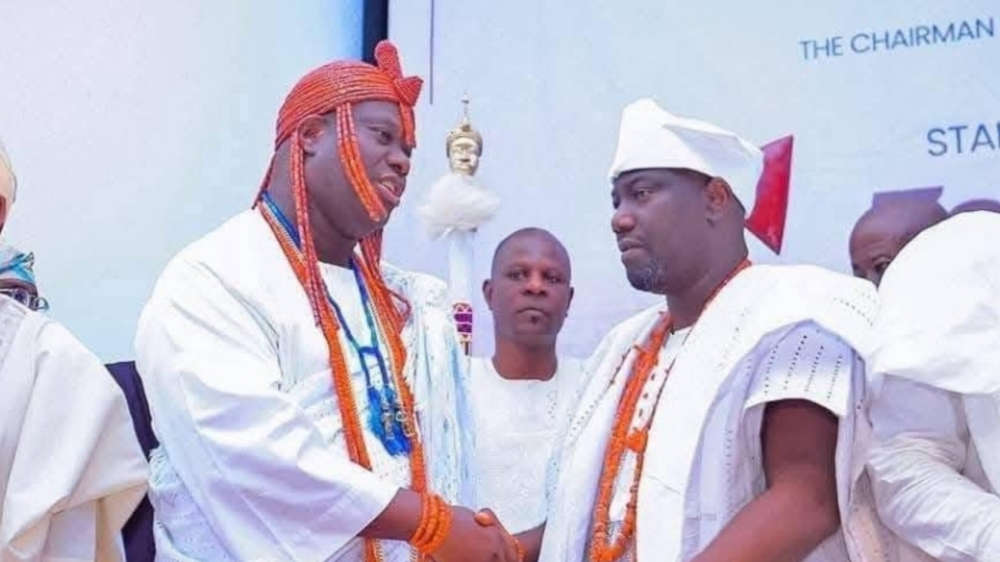
The Yoruba race, with its rich cultural heritage and time-tested traditions, seems to have found itself in a troubling situation, one that should concern every well-meaning son and daughter of Odùduwà. For weeks now, I have quietly observed the ongoing discourse surrounding an alleged supremacy tussle between two of our most revered monarchs – the Ọọni of Ifẹ, His Imperial Majesty Ọba Adeyeye Enitan Ogunwusi, and the Alaafin of Ọyọ, Ọba Akeem Abimbọla Ọwọade.
At first, I dismissed the uproar as nothing more than the handiwork of social media bloggers, what I often call “e-rodents”, individuals who thrive on controversy, sowing discord just to farm acceptance, generate clicks, and chase relevance. I thought within myself that surely, this is another cycle of needless sensationalism that will fade away with time.
But as the days turned into weeks, it became increasingly difficult to scroll through social media, especially Facebook, without encountering divisive, nauseating posts from supposed supporters of one throne or the other. Every public outing of either monarch suddenly became ammunition for disparaging the other. What ought to be a showcase of Yoruba royalty and dignity was reduced, sadly, to an exchange of ridicule in the public square.
The most embarrassing part, however, was the “officialization” of these petty arguments. What I once believed were irrational tantrums from overzealous bloggers found echo in statements from the official quarters of the stools themselves. That was disappointing. Silence from these spokespersons would have reassured many of us who still believed this was a storm in a teacup. Instead, their words fanned the flames, making matters worse and lending weight to what should never have been dignified with a response.
Let it be said clearly that you cannot pull down any of these monarchs (whether the Ọọni of Ifẹ or the Alaafin of Ọyọ) and still claim to be defending the Yoruba race. To attack them is not just to criticize an individual; it is to desecrate the very symbol of our culture, tradition, and collective identity as Yorubas. These thrones are sacred, they represent continuity, and they embody the heritage that makes us who we are.
It is also worth stressing that no monarch in Yorubaland has jurisdiction over another’s domain. The Ọọni cannot issue royal instructions to the Ondos, just as the Alaafin cannot dictate to the Ijebus. Each king reigns supreme within his own territory. In today’s 21st century Yoruba society, it is “to your tents, oh Israel; to your domains, oh monarchs.” Any courtesies extended between these revered stools are acts of mutual respect, not obligations.
This is why we must ask ourselves about what we stand to gain by fueling rivalry where none should exist? The Yoruba nation is too great, too rich in wisdom, and too strategically positioned in Nigeria to be caught up in avoidable distractions. Instead of tearing down our symbols of unity, we should be amplifying their dignity, urging them towards collaboration, and presenting a united cultural front to the world.
The Yoruba can, and must do better. This is a call for sobriety, restraint, and collective responsibility. Our culture, our tradition, and our very identity demand it.
—-
John Oyebanji is a Public Affairs Analyst, Media/PR Specialist, and Educational Administrator, among many other things he represents. He writes from Modakeke, Osun State, and can be reached via +2349032201075, thejohnoyebanji@gmail.com