Forgotten Dairies
Time Is Proving Critics of President Tinubu’s Economic Reforms Wrong -By Aguolu Kenechukwu Chizoba
At the time President Tinubu took office, Nigeria’s economy was effectively in a state of comatose. Several state governments were unable to pay salaries, the country was burdened by massive foreign exchange backlogs, and infrastructure development had been largely neglected. The nation was borrowing heavily just to sustain fuel subsidies and defend the naira, a clearly unsustainable path.


When President Bola Ahmed Tinubu assumed office in May 2023, he took a set of bold and unprecedented economic decisions that previous administrations had avoided. Chief among these were the immediate removal of fuel subsidies and the subsequent deregulation of the foreign exchange market. These reforms, though necessary, were initially unpopular and triggered widespread public discontent.
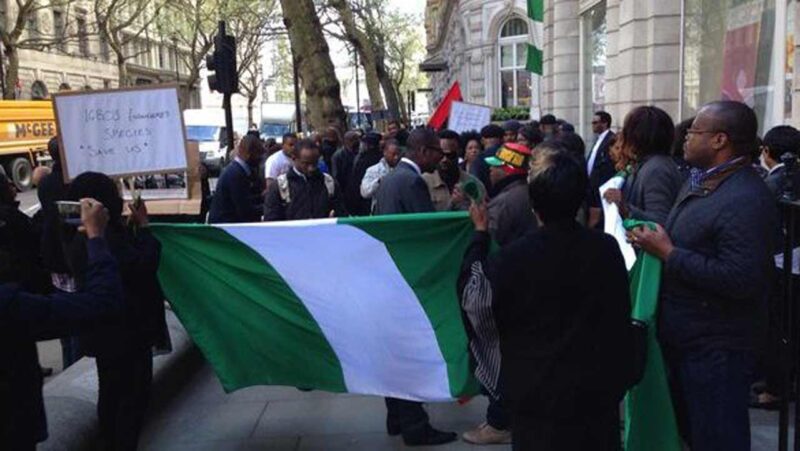
The removal of fuel subsidies led to sharp increases in the price of Premium Motor Spirit (PMS), which in turn drove up transportation costs, the cost of doing business, and food prices. For many Nigerians, the multiplier effects translated into significant hardship. Unsurprisingly, the reforms were met with strong criticism from citizens, opposition figures, and even respected economists.
President Tinubu, however, remained resolute. He assured Nigerians that the decisions were taken in the national interest, stressing that the country could no longer afford the enormous fiscal burden of fuel subsidies. According to him, the reforms were necessary to free up scarce resources for national development. He acknowledged the pain but emphasized that it would be temporary, famously assuring Nigerians that there was “light at the end of the tunnel.”
Despite these assurances, scepticism persisted. Many Nigerians doubted the timing and impact of the reforms, while others questioned whether there were alternative paths. In a previous article, I aligned myself with the position of the government, arguing that the economic reforms were grounded in sound economic principles. At the same time, I acknowledged the genuine fears of Nigerians, even as I agreed with the President’s position that, painful as it was, there was no viable alternative.
At the time President Tinubu took office, Nigeria’s economy was effectively in a state of comatose. Several state governments were unable to pay salaries, the country was burdened by massive foreign exchange backlogs, and infrastructure development had been largely neglected. The nation was borrowing heavily just to sustain fuel subsidies and defend the naira, a clearly unsustainable path.
Less than three years later, the narrative has begun to change. Headline inflation, which stood at 22.41 percent in May 2023, had eased to 15.15 percent by December 2025, a strong indication that the initial shocks from the reforms are gradually wearing off. The national minimum wage has been increased, allocations to state governments have risen significantly, and Nigeria’s foreign reserves stood at $46.11 billion as of January 2026, up from $33.23 billion in May 2023. Importantly, inherited foreign exchange backlogs have been cleared
Beyond these macroeconomic indicators, the government is investing heavily in critical infrastructure, human capital development, and national security; key pillars required for sustainable economic growth and long-term stability. These investments are aimed at strengthening the productive base of the economy, improving service delivery, and creating an enabling environment for private-sector participation and job creation across the country.
Taken together, these outcomes underscore the uncommon courage and patriotism demonstrated by President Tinubu in taking tough but necessary economic decisions. Leadership is not about choosing the popular path, but about making the right choices for the future, even when they are politically costly. As I stated in one of my previous articles, Nigerians may not fully appreciate these reforms immediately, but in time they will come to recognize their value. The emerging evidence increasingly suggests that the President’s critics are being proven wrong, and that Nigeria is gradually finding its way onto a path of economic recovery and resilience.
Aguolu Kenechukwu Chizoba | FCA,PMP