Forgotten Dairies
Time to Revisit Nigeria’s Health Insurance -By Tochukwu Jimo Obi
The federal and state governments must act decisively. There is an urgent need for strict monitoring and regulation of all healthcare providers participating in the NHIA scheme to ensure compliance and accountability. HMOs must also be made more accessible, with seamless systems that eliminate prolonged waiting times for status confirmations. Universal Health Coverage cannot be achieved through promises alone. The time to act is now.

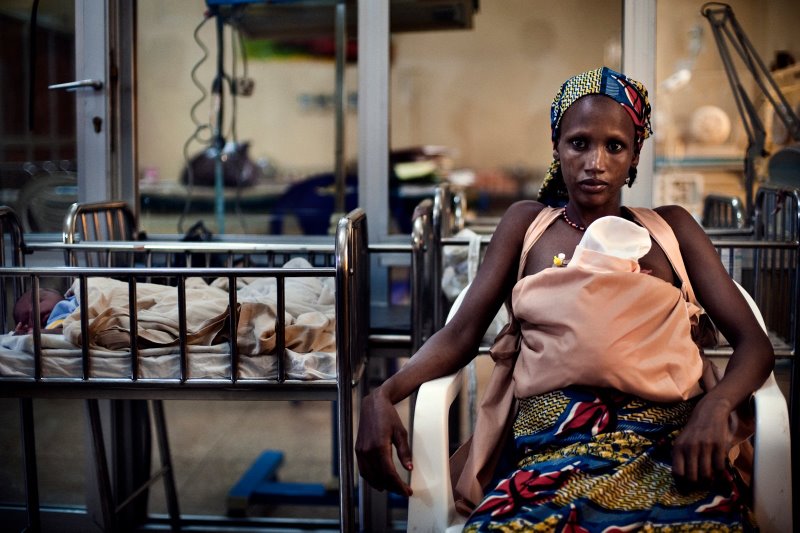
Nigeria’s National Health Insurance Authority (NHIA) was established with a clear mandate: to drive the country toward Universal Health Coverage (UHC) by 2030. With a stated vision of becoming a leading agency committed to achieving financial access to quality healthcare for all Nigerians, the scheme was designed to remove cost barriers and protect citizens from catastrophic health spending. Yet, nearly two decades after its conception in different forms, that vision appears increasingly distant from reality.
For many Nigerians enrolled under the NHIA, the reality of care is marked by frustration, neglect, and systemic inefficiency. Across the country, patient experiences suggest a scheme that exists more on paper than in practice. While access to healthcare is meant to be guaranteed, the lived experiences of insured patients tell a different story—one that raises serious questions about the credibility and effectiveness of the system.
The situation is particularly troubling in many private hospitals, where NHIA patients are often treated as second-class citizens. Reports abound of healthcare providers paying little or no attention to patients simply because they are enrolled under the insurance scheme. Instead of benefiting from the protections promised by the NHIA, patients are frequently subjected to long delays, limited services, and outright neglect.
A striking example can be found in a popular hospital located in Garki, Abuja, where a separate pharmacy exists solely for NHIA patients. This pharmacy reportedly hardly boasts of any essential drugs or medicines. Patients are routinely asked to source their prescribed medications from outside the hospital, defeating the very purpose of insured care and placing additional financial and emotional burdens on already vulnerable individuals.
Even more distressing is the harrowing process of status confirmation by Health Maintenance Organisations (HMOs). NHIA patients are often made to wait for hours, and in some cases days, before approval codes are issued. During this time, treatment is delayed, regardless of the severity of the patient’s condition. In a healthcare system where time can mean the difference between life and death, such delays are indefensible.
Tragically, there have been cases where patients with emergency conditions either died or suffered worsening health outcomes while awaiting HMO approvals. Rather than providing urgent care and resolving administrative issues afterward, many facilities choose to delay treatment entirely. This approach reflects a dangerous prioritisation of bureaucracy over human life.
In addition, several hospitals routinely refer patients elsewhere solely because they are under the NHIA scheme. These referrals are not based on lack of capacity or expertise but on an unwillingness to engage with NHIA processes. As a result, many patients have lost faith in the system and now choose to present themselves as direct, self-paying patients in order to receive prompt and comprehensive care.
These poor practices, entrenched over the years, have significantly undermined NHIA services in both public and private hospitals. This is despite the huge sums of money paid by government as healthcare subsidies under the scheme. The persistent gaps between funding, service delivery, and patient outcomes have left the NHIA struggling with a serious credibility crisis.
The federal and state governments must act decisively. There is an urgent need for strict monitoring and regulation of all healthcare providers participating in the NHIA scheme to ensure compliance and accountability. HMOs must also be made more accessible, with seamless systems that eliminate prolonged waiting times for status confirmations. Universal Health Coverage cannot be achieved through promises alone. The time to act is now.
Tochukwu Jimo Obi, a public affairs commentator writes from Obosi Anambra state