Africa
When Bonds Break in Silence -By Aisha Salisu Puma
Compounding the strain, emotional neglect deepens the wounds left by financial pressure. Many couples stop communicating, choosing silence over understanding and pride over reconciliation. Suspicion and unresolved pain grow until love becomes a burden rather than a comfort. In many cases, emotional abuse is normalized and suffering is hidden behind closed doors. Ultimately, a heart that is unheard eventually breaks.

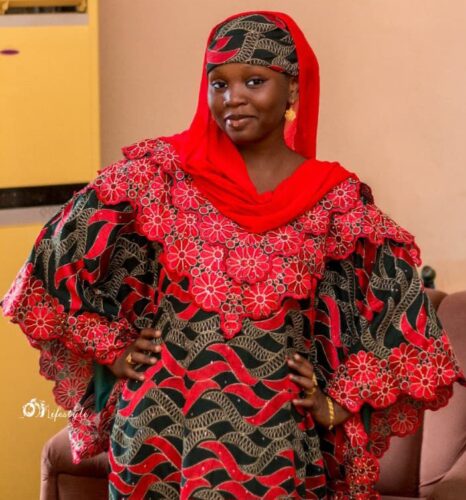
Marriage has always been more than a private agreement between two people in Northern Nigeria; it was a sacred institution protected by religion, culture, and the collective conscience of the community. Families invested time, prayers, and counsel to ensure stability. Yet today, that foundation is shaking. Homes that once stood as symbols of unity now echo with conflict, disappointment, and separation. When a bond breaks in silence, it begins to bleed.
Over time, divorce has spread quietly but deeply across the region, affecting both urban and rural communities. Many marriages are entered too early and too hurriedly, driven by social pressure, fear of age, or family expectations rather than emotional readiness. Couples often discover too late that love alone cannot sustain a home without patience, understanding, and sacrifice. As a result, a journey begun without direction often ends in loss.
Adding to this, economic hardship has become one of the most painful triggers of marital breakdown. Widespread unemployment, rising living costs, and financial dependence create tension that poisons daily life. Men struggle with the shame of unmet responsibilities, while women endure frustration, neglect, and insecurity. Arguments over basic needs slowly destroy affection and respect. In these circumstances, poverty turns small sparks into wildfire.
Compounding the strain, emotional neglect deepens the wounds left by financial pressure. Many couples stop communicating, choosing silence over understanding and pride over reconciliation. Suspicion and unresolved pain grow until love becomes a burden rather than a comfort. In many cases, emotional abuse is normalized and suffering is hidden behind closed doors. Ultimately, a heart that is unheard eventually breaks.
Consequently, the consequences of divorce extend far beyond the couple. Women often face stigma, rejection, and loneliness, regardless of the circumstances. Children are caught between broken homes, carrying emotional wounds that may shape their future. Moreover, society itself pays the price through weakened family values and broken social bonds. When the home collapses, the dust settles on everyone.
At the same time, traditional systems of guidance and reconciliation are fading fast. Elders who once settled disputes with wisdom and patience are increasingly ignored, replaced by haste and pride. Counseling is rare, and endurance is mistaken for weakness. Northern Nigeria stands at a painful crossroads that demands reflection and reform. Without the guidance of its elders, a society risks losing its moral compass.
Nevertheless, hope remains if understanding and compassion are restored. Marriage should not be rushed, nor should divorce become the first solution to hardship. Northern Nigeria must reinvest in marital education, counseling, and the guiding role of elders and religious leaders. By rebuilding marriage on patience, honesty, and mutual respect, broken homes can heal. What is repaired early rarely collapses.