Africa
When Free Speech Crosses The Line: The Ned Nwoko-Daniels Case And Nigeria’s Digital Recklessness -By Isaac Asabor
This pattern of online defamation is becoming disturbingly common. Consider the case of Ifeoma Ozoma, a Nigerian-American whistleblower who exposed discrimination at a U.S. tech firm. Rather than address her claims, online trolls questioned her sanity and launched racist attacks on social media. Similarly, DJ Switch, who live-streamed the Lekki Toll Gate shooting during the EndSARS protests, was falsely accused of manipulating the footage, leading to threats against her life.

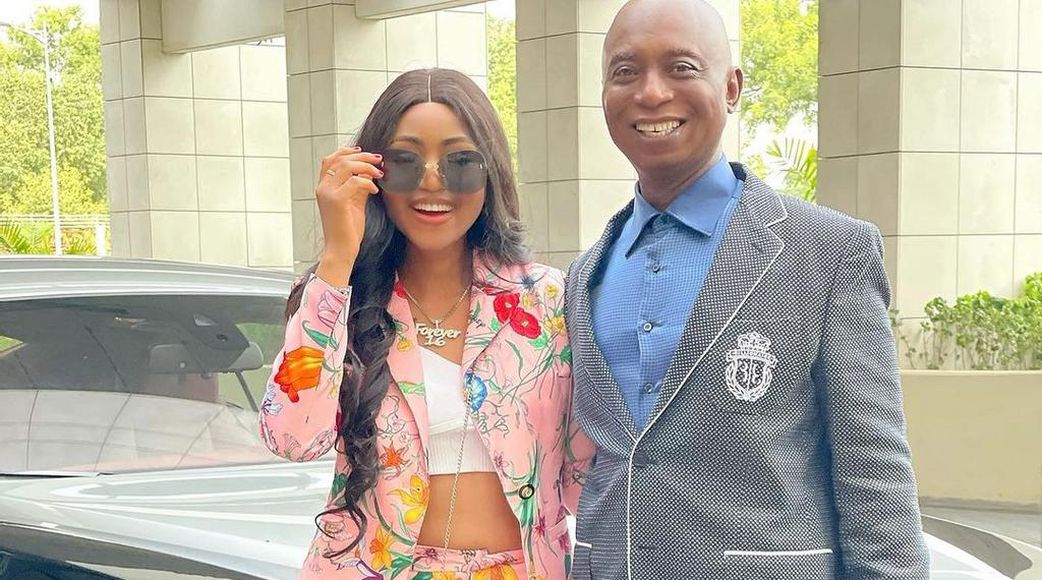
The recent lawsuit filed by Senator Ned Nwoko and his wife, Nollywood actress Regina Daniels, against social media personality Timothy Gabriel, popularly known as “Tuma,” has once again brought into sharp focus a growing and dangerous trend in Nigeria, the reckless abuse of free speech on social media. The internet, which was once a platform for connection, expression, and innovation, is fast becoming a cesspool of defamation, cyberbullying, and character assassination, all done under the guise of freedom of speech.
This case, involving one of Nigeria’s most prominent couples and an online commentator, is more than a personal matter. It is a wake-up call to both the government and the public that free speech is not absolute, especially when it begins to trample on the rights and reputations of others.
According to the Nwoko-Daniels media office, Tuma engaged in a “sustained campaign of defamation and incitement” against the couple. His allegations reportedly targeted Regina Daniels’ morality and the paternity of her children, topics that should never be treated lightly or publicly, especially without solid evidence.
This pattern of online defamation is becoming disturbingly common. Consider the case of Ifeoma Ozoma, a Nigerian-American whistleblower who exposed discrimination at a U.S. tech firm. Rather than address her claims, online trolls questioned her sanity and launched racist attacks on social media. Similarly, DJ Switch, who live-streamed the Lekki Toll Gate shooting during the EndSARS protests, was falsely accused of manipulating the footage, leading to threats against her life.
In 2022, a popular influencer falsely claimed a Nigerian actress was having an affair with a married politician. Despite the rumor being debunked, the actress suffered brand losses and online harassment for weeks. These are not “freedom of speech” scenarios, they are malicious abuses that destroy livelihoods and mental health.
Many Nigerians wrongly equate freedom of speech with freedom to say anything, anywhere, to anyone, without consequence. But freedom of speech has legal boundaries. It does not include the right to defame, incite violence, spread false information, or violate the privacy of others.
As one legal scholar rightly said, “Freedom of speech protects your right to speak, not your right to lie or harass others.” Nigeria’s constitution guarantees freedom of expression but also protects the dignity of human persons (Section 34) and public order (Section 45). When these two rights clash, courts are expected to balance them based on facts, not emotions.
In fact, the rise of unregulated social media use has created a dangerous illusion, that the digital world is a lawless terrain. But it is not. Whether offline or online, defamation remains a punishable offence in Nigeria’s criminal and civil codes.
The Nwoko-Daniels case shows that prominent individuals are starting to push back through the courts, and rightly so. If Gabriel’s claims are proven to be false, the consequences could be severe, not only financially but legally. The court ruling in this case could potentially set a strong precedent and discourage similar reckless behavior in the future.
To further illustrate the scale of the problem, here are other notable examples: The Twitter mob attack on actor Alexx Ekubo, based on an ex-fiancée’s cryptic social media post, led to character attacks and unfounded rumors about his sexuality and personal life.
Journalists like Rufai Oseni of Arise TV have received death threats for merely asking probing questions during political interviews, a classic example of how public discourse is weaponized instead of being engaged constructively.
During the 2023 elections, fake news and doctored videos spread like wildfire, leading to ethnic profiling and incitement in Lagos, particularly targeted at the Igbo community.
These examples highlight how unregulated speech online can lead to real-world harm, both psychologically and socially.
At this juncture, it is expedient to ask, “What Should the government do? The response to the foregoing question cannot be farfetched as the Nigerian government must urgently address the regulatory gap that allows this abuse to thrive. However, any regulation must not become a tool for censorship or suppression of political dissent. Instead, it must strike a balance between freedom and accountability.
In this context, it suffices to opine that there are five specific actions the government can take, and they cut across the establishment of a digital conduct commission (DCC), amendment of the Cybercrime Act 2015, launching of a national digital civility campaign, creation of legal fast tracks for defamation cases and partnering with social media platforms.
Explanatorily put, DCC as a regulatory body would monitor online activities for hate speech, defamation, and misinformation, much like NAFDAC monitors fake drugs.
In a similar vein, the Cybercrime Act 2015 should be amended through the Introduction of clearer definitions of online harassment, defamation, and incitement, ensuring they align with human rights standards.
From the perspective of the launching of a National Digital Civility Campaign that should be led by the Ministry of Information, the campaign should educate Nigerians, particularly youth, on ethical digital behavior.
Looking at the issue through the eyes of the creation of legal fast tracks for defamation cases, it would be crystal clear that many victims do not pursue justice due to slow court systems. Special fast-track courts or online mediation platforms can be created for digital defamation cases.
Again, looking at it from the perspective on the need to partner with social media platforms, there is no denying the fact that such partnership can enable the government to work with companies like Meta (Facebook/Instagram), X (formerly Twitter), and TikTok to create stricter localized content moderation for harmful narratives.
On the other hand, it also be asked, “How can citizens balance free speech and respect? The answer to the foregoing cannot be farfetched as balancing free speech with respect is not difficult. This is as it just requires empathy, caution, and integrity. Practical tips in this context entails verifying comments before posting. In fact, it is germane to always confirm facts from at least two credible sources before sharing them. Ask yourself three questions: “Is it true?”, “Is it necessary?” “Is it kind?”
Most importantly, it is expedient for people to understand that public figures are still human beings. Therefore, criticizing their work is fair, but dragging their families and personal lives into discussions based on rumors is indecent.
Also, there is the need for everyone on virtual space to learn the law. Nigerians need to be digitally literate, not just tech-savvy. Understanding the legal boundaries of speech is key to avoiding future lawsuits or arrests.
In a similar vein, there is the need for people to stop rewarding digital bullies. Do not like, comment on, or share content that ridicules or attacks someone unfairly. Your engagement is what keeps such behavior alive.
One important lesson from the Nwoko-Daniels case is the importance of due process. Instead of engaging in an online war of words, the couple has chosen the path of law, a model others should follow.
In fact, it is germane to opine that social media is not a courtroom. Judgments passed in comment sections are based on emotion, not evidence. If you are accused or feel wronged, go to court. Let trained legal professionals determine the truth, not a mob driven by likes and retweets.
Therefore, the lawsuit filed by Ned Nwoko and Regina Daniels is not just a celebrity headline; it is a national signal that the abuse of digital freedom has reached an intolerable height. It is time to draw the line. As we move deeper into the digital age, both the Nigerian government and its citizens must rise to the challenge of protecting both freedom and dignity.
We must learn that rights are not unlimited. Where your right to speak ends, another person’s right to dignity begins. If we truly desire a progressive society where free expression thrives, we must start by taming the digital jungle, not with violence or vengeance, but with laws, education, and conscience.
Let the court decide the Nwoko-Daniels case. But let all of us decide, from this moment forward, to build a digital space that is safe, civil, and sane.