National Issues
When Official Data Becomes a Lie, The Nation Becomes the Victim -By Abdulazeez Toheeb Olawale
Nigeria is bleeding silently, not just from bullets and hunger, but from the quiet lies that pretend everything is fine. A nation cannot heal when its pain is hidden. It cannot unite when its truth is buried. And it cannot progress when its leaders insist on painting hope where despair clearly stands.

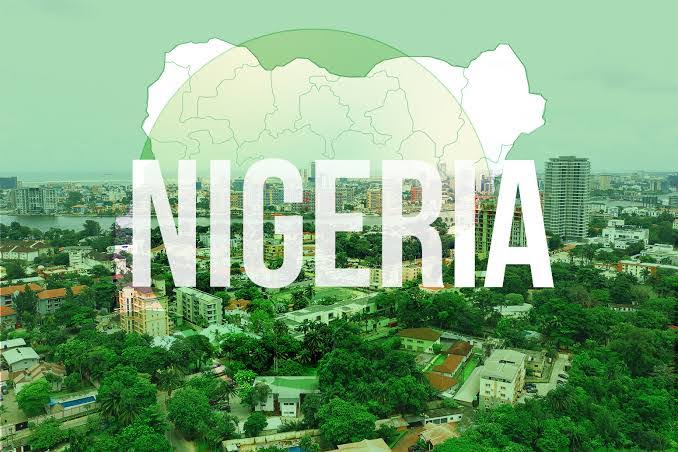
In a country struggling to hold itself together, truth should be the bare minimum. Facts should guide policy. Data should reflect reality. But in Nigeria today, a disturbing gap has grown between what the government records and what citizens experience. It is a gap filled with insecurity, hunger, mistrust, and a growing sense that the nation is drifting without direction.
From security statistics that “improve” while blood flows daily, to economic figures that contradict empty markets and hungry households, Nigerians have learned not to trust official data. And this is not merely a technical problem — it is a dangerous one. When a government’s numbers no longer match its people’s reality, the people stop believing in the government entirely.
That is how nations fracture.
A Country Under Attack, But “The Data Says Otherwise”
Almost every week, Nigerians encounter another tragedy:A village sacked,farmers murdered,schoolchildren kidnapped,worshippers taken in droves and highways turned into hunting grounds for criminals.
Yet security agencies continue to publish “improved figures,” insisting that insecurity is declining. If this is decline, Nigerians dread to imagine what “worsening” would look like.
How do we reconcile “insecurity is reducing” with the abduction of 50 church members in Niger State?
Or the killing of pastors in Kaduna?
Or the mass graves found after attacks in Plateau?
Or the hundreds kidnapped in Zamfara with no rescue in sight?
These are not isolated incidents — they are the new normal. And the attempt to downplay them with manipulated statistics insults the grief of families, the trauma of survivors, and the reality facing millions.
Bad security data is not just a lie; it is a weapon. It blinds policymakers. It misguides deployments. It comforts only those who benefit politically from denial.
When Data Is Wrong, Nigeria Becomes Divided
Nigeria is a country built on delicate balances — ethnic, religious, regional.
Numbers determine how resources are shared, how states are funded, and how development is planned.
So when data becomes unreliable, suspicion rises.
A state under reports its population — and loses funding.
Another inflates poverty figures — and receives more intervention funds.
Inflation figures claim improvement — but market prices tell another story.
Poverty statistics fall — while more Nigerians beg on the streets.
Every manipulated figure triggers resentment.
Every inaccurate report widens tribal distrust.
Every ignored reality chips away at national unity.
Nigeria cannot afford this. Not now, not ever.
The Human Cost of Fake Numbers
Behind every wrong statistic is a Nigerian whose suffering is not accounted for:
A child who dropped out of school but was counted as “enrolled.”
A farmer displaced by bandits but listed under “active agricultural workforce.”
A widow whose husband was killed, but the incident never entered the official database.
A community in fear, yet declared “safe” on paper.
This is not just a data problem.
It is a humanitarian failure.
Numbers have become a way to silence pain.
A Nation Cannot Be Saved With Falsehood
Nigeria does not lack intelligent people, capable institutions, or modern tools. What it lacks is honesty — the courage to admit the true scale of its challenges.
Instead of trying to impress the world with polished data, the government must face reality:
Insecurity is not reducing — Nigerians are simply adapting to danger.
Poverty is not falling — people are just too tired to complain.
Food inflation is not stabilising — families are eating less to survive.
Banditry is not under control — communities have stopped reporting because reporting changes nothing.
To rebuild trust, Nigeria must embrace truth. Brutal truth. Honest truth. Measurable truth.
That starts with:
Independent verification of security numbers
A transparent national census
Real-time, publicly accessible data dashboards
A legal framework against data manipulation
Training and equipping agencies to gather accurate information
Ending political interference in national statistics
A nation cannot plan if its data lies.
A nation cannot unite if its numbers divide.
A nation cannot heal if its reality is erased.
In conclusion: Nigeria Needs Honesty More Than Hope
Hope is good.
Faith is important.
But neither can replace truth.
If Nigeria wants peace, it must start with accurate security reporting.
If it wants national unity, it must produce honest demographic figures.
If it wants economic progress, it must stop pretending that inflation is “under control.”
The truth may be bitter.
But lies are deadly.
Nigeria has been running on doctored data for too long, and the cost is written in blood and tears across its communities. It is time for the government to choose accuracy over propaganda, transparency over political convenience, and reality over rhetoric.
A country cannot survive on falsehood.
And Nigerians — battered, patient, hopeful Nigerians — deserve better than that.
Nigeria is bleeding silently, not just from bullets and hunger, but from the quiet lies that pretend everything is fine. A nation cannot heal when its pain is hidden. It cannot unite when its truth is buried. And it cannot progress when its leaders insist on painting hope where despair clearly stands.
The time has come for honesty — raw, uncomfortable, fearless honesty. Because only when we finally tell ourselves the truth can we begin to rebuild this country, protect its people, and restore the dignity Nigerians deserve. The truth will not break us; pretending has. And if Nigeria must rise again, it will rise first on truth.