Forgotten Dairies
2027 Elections: Role of Religious and Traditional Leaders -By Tochukwu Jimo Obi
The electorate is increasingly conscious of the power of its vote and should be encouraged to judge candidates on their records, competence, character, programmes and capacity to deliver. Religious and traditional leaders have an important role in protecting the peace and unity of the nation during this process. If they remain impartial, politicians respect their institutions, and campaigns remain issue-based, the 2027 elections can become an opportunity to strengthen Nigeria’s democracy rather than deepen its divisions.

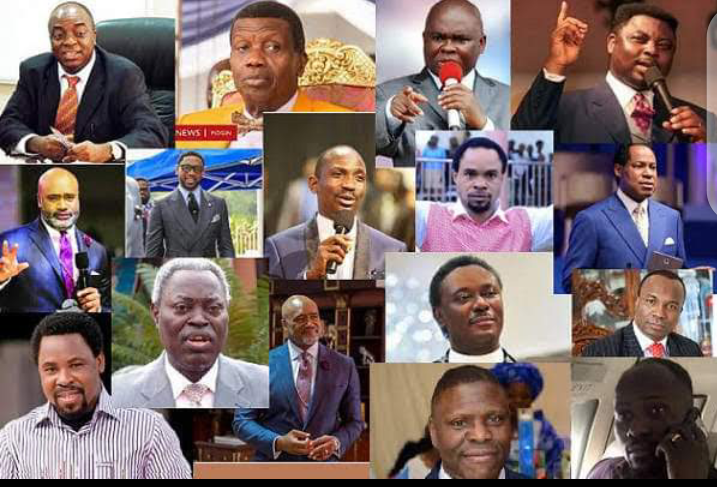
As the 2027 general elections draw nearer, there is an urgent need for religious and traditional leaders across Nigeria to reflect deeply on their roles in maintaining peace, unity and stability in the society. These institutions command enormous respect and influence, and their words often carry considerable weight among their followers and subjects. It is therefore important that their influence is deployed responsibly, particularly during an election period that is likely to generate intense political competition.
In recent weeks, there have been reports and instances of religious leaders across different faiths, as well as traditional rulers, openly campaigning for or endorsing candidates and political parties. While every citizen has the constitutional right to support a political candidate of their choice, leaders who occupy revered religious or traditional positions must exercise greater restraint. Their followers and subjects belong to different political parties and hold diverse political opinions. Openly taking sides can therefore create unnecessary divisions and undermine the unity they are expected to promote.
The neutrality of religious and traditional institutions is particularly important because they remain among the few institutions capable of bringing people together across political, ethnic and social lines. A traditional ruler is expected to be a father to all within his domain, while religious leaders are expected to provide spiritual guidance to their congregations without turning their places of worship into political battlegrounds. When such leaders become openly partisan, those who support opposing candidates may feel alienated, discriminated against or even compelled to distance themselves from institutions they once regarded as neutral.
Churches and mosques should also not become platforms for political speeches, campaign rallies or partisan mobilisation. Places of worship should remain environments where Nigerians can seek spiritual guidance, comfort, moral instruction and peaceful coexistence. Political parties and their candidates have designated platforms and campaign venues where they can present their programmes and persuade voters. Dragging partisan politics into places of worship risks creating divisions that may persist long after the elections are over.
Christian and Islamic leaders therefore have a responsibility to call their members to order before the political atmosphere becomes even more heated. Religious teachings should emphasise peace, tolerance, responsible citizenship and respect for the choices of others. Worshippers should be encouraged to participate actively in the electoral process, but they should also be reminded that political differences must never become reasons for hatred, violence or hostility among fellow believers.
Traditional rulers equally have a crucial role to play in preventing political disagreements from degenerating into communal conflicts. They should resist pressure from politicians seeking endorsements and instead encourage all candidates to campaign peacefully and respectfully. Their palaces should remain places where competing political interests can coexist without intimidation. By maintaining their neutrality, traditional institutions can serve as trusted mediators when disputes arise before, during or after the elections.
Politicians, on their part, must learn to respect the independence and dignity of religious and traditional institutions. Political influence, personal relationships and government connections must not be used to mount pressure on traditional rulers, clerics or religious organisations to secure endorsements. Seeking the support of respected leaders is part of politics, but coercion, inducement or intimidation crosses an unacceptable line. Political leaders should understand that an endorsement obtained through pressure may ultimately damage both the institution and the politician seeking it.
The 2027 election campaigns should also be fundamentally different from the politics of insults, name-calling and character assassination that has become common in Nigeria. Candidates and political parties should focus on issues that directly affect the lives of Nigerians, including insecurity, unemployment, poverty, infrastructure, education, healthcare, electricity, the economy and the cost of living. Voters deserve to hear clear and realistic solutions rather than endless personal attacks designed merely to score cheap political points.
Ultimately, Nigerians must be allowed to make their political choices freely and without intimidation from political, religious or traditional authorities. The electorate is increasingly conscious of the power of its vote and should be encouraged to judge candidates on their records, competence, character, programmes and capacity to deliver. Religious and traditional leaders have an important role in protecting the peace and unity of the nation during this process. If they remain impartial, politicians respect their institutions, and campaigns remain issue-based, the 2027 elections can become an opportunity to strengthen Nigeria’s democracy rather than deepen its divisions.
Tochukwu Jimo Obi, Obosi Anambra State.