Connect with us

Africa

2027 Is Around the Corner — Must Nigeria Fear Electoral Violence Again? -By Collins Faida Ezra

As 2027 approaches, Nigeria must make a choice. Political leaders must commit publicly to peaceful campaigns. Security agencies must act professionally and impartially. Electoral bodies must remain transparent and credible. And citizens must reject violence, no matter who provokes it.

Published

on

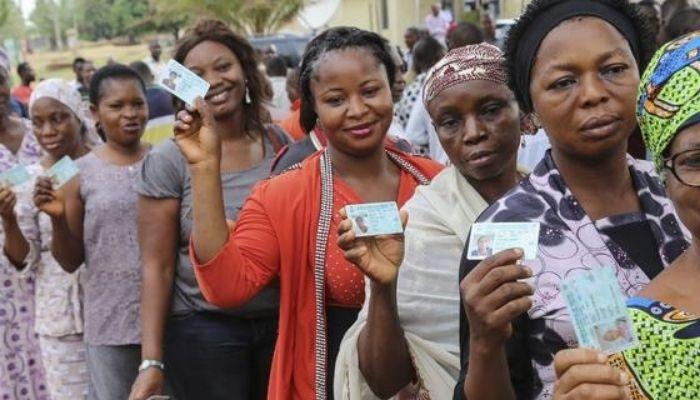
Voters

As Nigeria moves steadily toward the 2027 general elections, one uncomfortable question hangs in the air: have we truly learned from our past, or are we preparing to repeat it?

Elections are supposed to strengthen democracy. They are meant to give citizens a voice and allow leadership to change peacefully. Yet in Nigeria and in many other democracies, elections sometimes bring tension, fear, and in some cases, bloodshed.

We cannot pretend we have forgotten what electoral violence looks like. After the 2011 Nigerian presidential election, post-election violence broke out in parts of the country, leading to tragic loss of lives and destruction of property. That painful chapter remains a warning.

Globally, the lesson is the same. The aftermath of the 2020 United States presidential election, which led to the January 6 United States Capitol attack, proved that even long-standing democracies are not immune to election-related unrest.

So, what fuels electoral violence?

Advertisement

First, dangerous political rhetoric. When politicians frame elections as a “do-or-die affair,” supporters take that language seriously. Words matter. Leaders who speak carelessly can ignite tension faster than they realize.

Second, misinformation spreads like wildfire. In the age of social media, false claims of rigging or manipulation can travel across the country within minutes. By the time the truth arrives, emotions may already be inflamed.

Third, economic hardship plays a role. A frustrated and unemployed youth population can easily be mobilized by politicians willing to exploit their struggles.

But perhaps the greatest danger is distrust. When citizens lose faith in electoral institutions, every result becomes suspicious, and every announcement becomes controversial.

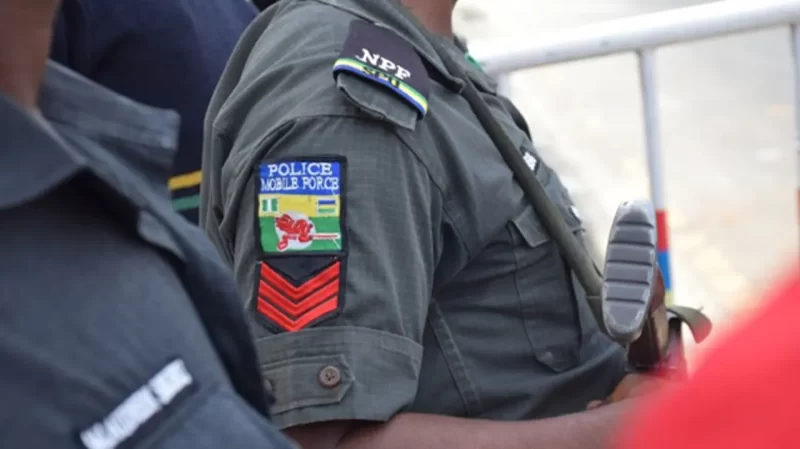
As 2027 approaches, Nigeria must make a choice. Political leaders must commit publicly to peaceful campaigns. Security agencies must act professionally and impartially. Electoral bodies must remain transparent and credible. And citizens must reject violence, no matter who provokes it.

Advertisement

Democracy is not tested when the winner celebrates. It is tested when the loser accepts defeat. If Nigeria truly wants progress, then the 2027 elections must not be remembered for tension, but for maturity. The time to prepare for peaceful elections is not after violence breaks out — it is now.


Continue Reading
Advertisement
Click to comment

Leave a Reply

Your email address will not be published. Required fields are marked *

Trending Contents

Topical Issues

Oluwaleye Adedoyin Grace Oluwaleye Adedoyin Grace
Africa2 hours ago

Social Media Trials VS. Due Process In Nigerian Law: The Mirabel Case -By Oluwaleye Adedoyin Grace

From a legal perspective, I present these observations as my personal analysis and assumption the final determination rests with the...

Ugochukwu Ugwuanyi Ugochukwu Ugwuanyi
Forgotten Dairies20 hours ago

Electoral Act Amendment Vindicates Nathaniel Bassey’s Call for National Prayers -By Ugochukwu Ugwuanyi

The successful amendment of the Electoral Act by the authorities amid widespread opposition is a testament to the redoubtable albatross...

Abba Dukawa Abba Dukawa
Africa21 hours ago

Silencing Dissent or Fighting Corruption? -By Abba Dukawa

The choice is not between accountability and opposition. It is between strengthening institutions and straining them—between building confidence and breeding...

Africa21 hours ago

Child Naming Beyond Belief and Superstition -By Leo Igwe

So when challenges of child growth and development arise, parents and guardians should seek out counsel and assistance from competent...

National Issues1 day ago

Igboho, Kanu And The Heroic Igwe Before Tinubu -By Festus Adedayo

Kanu, British-born, through his advocacy for the independence of Biafra from Nigeria, founded the Indigenous People of Biafra, (IPOB), which...

ElRufai and Tinubu ElRufai and Tinubu
Politics1 day ago

The Travails Of El-Rufai And The Renewed Onslaught Against Opposition -By Hajia Hadiza Mohammed

Tinubu and his acolyte must know that power is transient. What goes around comes around. Before now, specifically from 1999...

Abiodun Komolafe Abiodun Komolafe
Politics2 days ago

Yoruba Nation: Prospects And Perils Post-2031 (1) -By Abiodun KOMOLAFE

Take a damaged vehicle to a mechanic’s workshop in Cotonou or Lome, and it will come out fully refurbished –...

Daniel Nduka Okonkwo Daniel Nduka Okonkwo
National Issues2 days ago

Protesters Tear-Gassed While Demanding Electoral Reform Law, Sparking Outrage as Opposition Warns of Threat to Credible Elections -By Daniel Nduka Okonkwo

Although the National Assembly approved electronic transmission, lawmakers retained exceptions for areas without reliable internet connectivity, a justification reform advocates...

ISAAC ASABOR ISAAC ASABOR
Africa2 days ago

Beyond “City Boys” And “Village Boys” Politics: Nigerians Want Verifiable Results Ahead Of 2027 -By Isaac Asabor

In this shift lies a quiet but profound redefinition of democratic expectation. Nigerians are not abandoning political engagement; they are...

Hajj-Muslim-Ramadan Hajj-Muslim-Ramadan
Forgotten Dairies2 days ago

Ramadan Is Not a Comedy Season -By Abdulsamad Danji Abdulqadir

Every Ramadan is a limited opportunity thirty days that can redefine a person’s relationship with Allah. Some will use it...