
Breaking News
2027 Presidency: Tinubu, Atiku, Obi and Makinde Backed by Powerful Political Forces
Nigeria’s 2027 presidential election is evolving into a battle between political structure and public emotion as Tinubu, Obi and Atiku build powerful support bases.

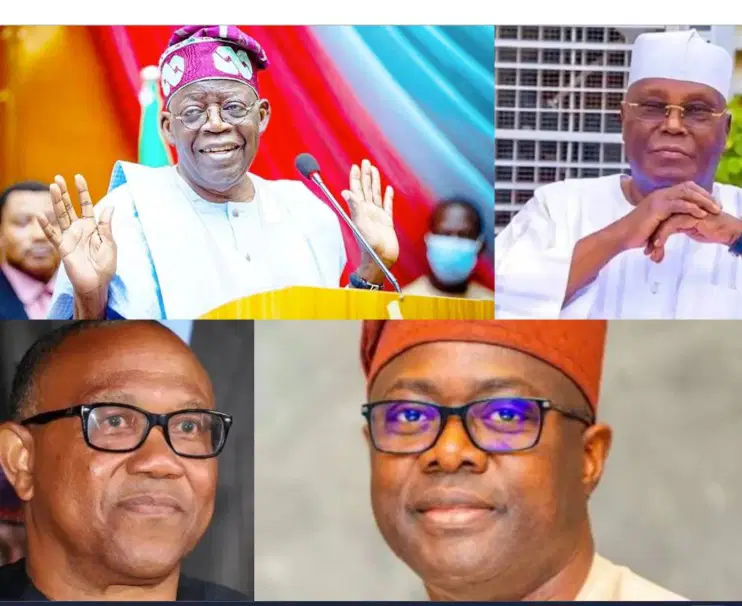
As Nigeria moves closer to the 2027 presidential election, attention is shifting beyond the candidates themselves to the influential political forces quietly positioning behind them.
Across the country’s political landscape, governors, former ministers, financiers, regional blocs and grassroots movements are intensifying consultations and rebuilding alliances ahead of what is expected to be a fierce battle for Aso Rock.
In Abuja, political conversations are no longer centred only on who is contesting, but on which candidate possesses the strongest structure, alliances and electoral machinery capable of delivering victory.
The emerging contest is shaping into a wider struggle between incumbency and coalition politics, establishment power and popular frustration.
Tinubu’s Strength Lies in Structure
President Bola Ahmed Tinubu enters the race with arguably the strongest political structure in Nigeria.
The President enjoys the backing of 31 governors, federal appointees, lawmakers, influential business interests and deeply rooted Southwest political networks built over decades.
Within the APC, resistance to Tinubu’s re-election ambition remains limited, while the ruling party continues to control the machinery of the federal government.
Governors are expected to play a decisive role because of their influence over state political structures, mobilisation networks and grassroots operations.
Tinubu also benefits from incumbency and longstanding alliances within political and business circles.
Even some opposition politicians privately admit that the President’s biggest asset is not necessarily popularity, but his political structure and institutional reach.
Southern zoning sentiment is also seen as another strategic advantage for Tinubu, as many political actors still believe power should remain in the South beyond one term.
For APC strategists, a divided opposition may ultimately be enough to secure victory for the President.
Atiku Retains Elite Northern Influence
Former Vice President Atiku Abubakar remains one of the opposition figures with the deepest ties to Nigeria’s traditional political establishment.
His long-standing relationships across Northern political networks, former PDP structures and elite negotiating blocs continue to give him influence within opposition circles.
Prominent politicians linked to coalition talks involving Atiku include David Mark, Aminu Tambuwal, Dino Melaye, Rauf Aregbesola, Emeka Ihedioha, Liyel Imoke and Dele Momodu.
Supporters believe Atiku remains a familiar bridge capable of balancing competing regional interests.
However, his establishment image also raises concerns among younger voters demanding generational change.
Resistance to another Northern presidency in parts of the South may also complicate his chances.
Still, discussions reportedly continue within some Northern circles about consolidating opposition support behind a single major challenger — a scenario that could strengthen Atiku’s relevance.
Obi Continues to Ride on Grassroots Emotion
Peter Obi remains one of the most emotionally supported politicians in Nigeria today.
The Obidient movement — made up largely of youths, professionals, middle-class voters and diaspora supporters — continues to provide strong backing for the former Anambra governor.
Obi’s appeal is rooted largely in public frustration over economic hardship and dissatisfaction with traditional political elites.
Supporters view him as a symbol of competence, discipline and reform-minded leadership.
However, analysts say Obi’s greatest challenge is translating emotional support into a nationwide electoral structure capable of competing against the APC’s entrenched machinery.
Without stronger alliances in the North and broader political structures nationwide, observers believe Obi’s support may remain energetic but regionally uneven.
Kwankwaso Holds Strategic Northern Influence
Rabiu Musa Kwankwaso remains a major factor because of the influence of the Kwankwasiyya movement across Kano and the Northwest.
His organised grassroots structures and mobilisation networks make him attractive to virtually every major opposition coalition seeking Northern votes.
Political analysts believe no serious anti-APC coalition can ignore Kwankwaso’s strategic importance.
Makinde Gains Attention as Alternative Southern Figure
Oyo State Governor Seyi Makinde is also attracting attention within sections of the opposition.
His appeal is largely built around governance perception, moderation and technocratic leadership.
Some younger political actors and professionals reportedly see Makinde as a less confrontational Southern alternative capable of appealing to moderate voters.
However, Makinde lacks the national political reach, governors’ network and deep alliances currently enjoyed by Tinubu, Obi and Atiku.
Opposition Coalitions Battle Internal Rivalries
Attempts to build a united opposition coalition have continued to face setbacks due to leadership struggles and competing ambitions.
The ADC initially appeared positioned to unite anti-Tinubu forces before internal disagreements weakened momentum.
Attention has now shifted toward possible alignments involving the NDC, Obi and Kwankwaso.
Analysts say the biggest challenge facing the opposition remains unity and discipline.
PDP Faces Declining Influence
The PDP, once Nigeria’s dominant political force, continues to struggle with internal divisions and weakening influence.
Many opposition politicians have since migrated toward coalition platforms and alternative alliances.
As the 2027 election draws closer, analysts say the key battle may not simply be between Tinubu and opposition candidates, but between the APC’s entrenched political structure and whether a divided opposition can successfully unite public frustration into a single national movement.
For now, the APC controls the machinery of power, while the opposition commands much of the public anger over economic hardship.
Whether that anger can overcome structure may ultimately determine the outcome of the 2027 presidential election.
Africans Angle News


















You must be logged in to post a comment Login