Africa
2nd Term: Why Nigerians Fear Another Round Of Hardship, by Isaac Asabor

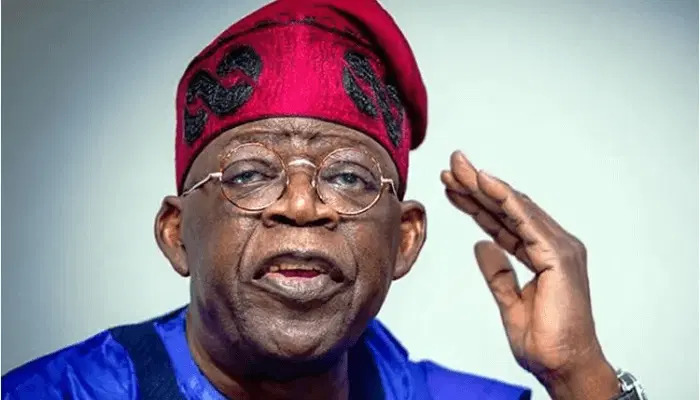
At a lively bar somewhere in Lagos, on a typical evening of banter and discussions about politics, sports, and the day’s frustrations, a friend interrupted the flow of conversations. “Have you seen this?” he asked, waving his phone towards a group of friends including this writer, our laughter fading as we caught a glimpse of the headline: “I’m not thinking of 2027 now – Tinubu.”
As expected, that single headline stirred emotions. Reactions ranged from skepticism to outright frustration. One man, clearly unable to contain his alarm, blurted out, “Is he planning on going for a second term already?” Others, with their brows furrowed, exchanged glances filled with anxiety, as if asking themselves, “Is this the nightmare we are headed towards?”
The response to the headline underscores the unease and collective anxiety gripping many Nigerians today. It is not so much that President Bola Ahmed Tinubu openly declared his intention to run again in 2027. In fact, his statement seemed to imply the opposite, as he expressed that he was not currently focused on the future election. But to many Nigerians who have borne the brunt of his policies since taking office on May 29, 2023, the mere suggestion of another term under Tinubu’s administration stirs a sense of dread.
At the heart of this growing anxiety lies the economic hardship that has unfolded over the past few months. For many, the burden has been unbearable. Fuel subsidies were removed, the naira was devalued, and inflation spiraled out of control, making basic necessities like food and transportation almost unaffordable for the average Nigerian. These were moves intended to jump-start an ailing economy, but instead, they’ve pushed millions deeper into poverty.
So, when the topic of another Tinubu presidency comes up, even indirectly, it is no surprise that the immediate reaction from most Nigerians is one of fear. To them, it is not just about who is in power, but about the reality they have been forced to live with since Tinubu took over.
For many Nigerians, the term “hardship” has become synonymous with Tinubu’s first few months in office. While his administration has championed tough reforms that it believes will ultimately benefit the country, the short-term impact has been devastating.
First, the removal of fuel subsidies sent shockwaves through the economy. Gas prices tripled overnight, and with Nigeria being a country where the price of fuel affects nearly every aspect of daily life, the effects were immediate. Transportation costs surged, making commuting a daily struggle. Small businesses, dependent on affordable fuel for their operations, either scaled back drastically or shut down entirely. The increase in fuel costs also had a domino effect on food prices, with items like rice, bread, and cooking oil becoming almost twice as expensive within weeks.
Then came the currency devaluation. Tinubu’s government unified the exchange rate system, which led to the naira losing significant value against the US dollar. While the move was intended to attract foreign investment and stabilize the economy in the long run, the immediate impact was inflation. Imported goods—ranging from electronics to medicines, became more expensive, further stretching the budgets of already struggling households.
Adding to this financial squeeze were rising electricity tariffs and increased taxes, all of which have made life more difficult for the average Nigerian. To put it plainly, many feel like they have been asked to carry a burden that is disproportionately heavy on the poorest and most vulnerable.
The Tinubu administration argues that these changes are necessary for the long-term stability and growth of the Nigerian economy. But as the weeks turn into months, the patience of the Nigerian people is wearing thin. Many are questioning whether the promised benefits will ever materialize, or if this is simply a case of the rich getting richer while the poor are left to suffer.
When a man at a Lagos bar questions whether Tinubu is eyeing a second term, what he is really asking is: “Can we survive another four years like this?” The fear is not so much about Tinubu himself, but about the policies and the harsh realities they have created.
Many Nigerians are still trying to wrap their heads around the present challenges, let alone contemplate the possibility of enduring them for a second term. The anxiety is understandable. From the young professionals struggling to make ends meet in Lagos, to the farmers in rural areas who cannot afford basic tools due to skyrocketing prices, the sentiment is largely the same: “When will relief come?”
The distrust that many Nigerians have towards the ongoing government also plays a role in the skepticism around Tinubu’s comment. Politicians, historically, have been known to downplay their ambitions, only to make a surprising move later on. Could this be a subtle precursor to Tinubu announcing his bid for a second term?
President Tinubu still has time to make good on his promises, but that window is narrowing. His administration has pointed to its long-term vision for economic growth, job creation, and infrastructure development. But Nigerians, rightfully so, are asking to see tangible results now, not in a vague future.
To regain the trust of the people, Tinubu will have to focus on easing the daily struggles that many are facing. Economic reforms are necessary, but without mitigating their immediate impact on the population, they will only fuel further discontent. The government must ensure that social safety nets, such as the distribution of palliatives, reach those who need them most.
There is also a growing call for transparency and communication. Nigerians want to know that their leaders are listening to them, that their concerns are being heard. The lack of this connection has often fueled rumors, conspiracy theories, and a general sense of disillusionment with the political process.
If Tinubu does eventually seek a second term, his success will largely depend on how the rest of his current term plays out. Can his administration steer the country toward economic recovery? Will the sacrifices being made now pay off in the long run? These are the questions on the minds of many Nigerians, and they will need clear answers before 2027.
For now, the mere mention of the 2027 election is enough to send shivers down the spines of many. It is not just the fear of what lies ahead, but the reality of what they are living through now. For the sake of millions of Nigerians, the hope is that the hardships they are enduring today will lead to a better tomorrow. But that hope is fragile, and time is running out for Tinubu to prove that his administration is capable of delivering on its promises.
Until then, the question remains: Can Nigeria survive another four years under Bola Ahmed Tinubu, or is the thought of a second term simply too much to bear? As Nigerians anxiously await the answer, the fear of the unknown looms large.