Africa
An Assessment of Tinubu’s Two Years in Office -By John Kokome
For now, Tinubu’s presidency is at a crucial crossroads: either he will be remembered as a fearless reformer who saved Nigeria from disaster, or as a well-intentioned technocrat who lost the people along the way.

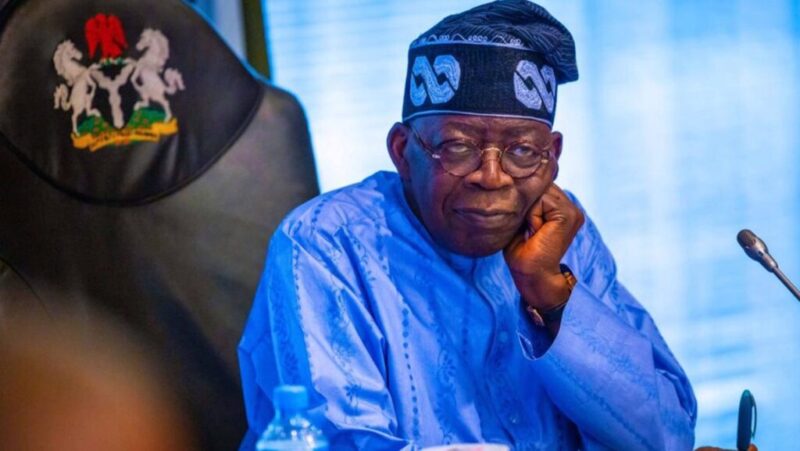
It is only appropriate to take a moment to consider the administration’s progress as Nigeria celebrates two years under President Bola Ahmed Tinubu’s leadership. Since he assumed office, the current administration has been anything but uneventful, despite initial pledges of radical reforms and a revitalised sense of national purpose. Over the last 24 months, Nigerians’ endurance and their leaders’ political savvy have been put to the test by everything from political recalibrations to economic shocks.
Economic Reform or Economic Turmoil?
The most distinctive feature of Tinubu’s leadership has perhaps been his vigorous pursuit of economic change, of which most economists applauded him for his decision to end the decades-old fuel subsidy on his first day in office, this not only alarmed the masses but also led to inflation, soaring fuel prices, and a cost-of-living crisis that disproportionately affected low- and middle-income earners, despite its stated goal of freeing up public funding for social programs and infrastructure.
Another significant reform was the naira floating, which was intended to stabilise exchange rates and bolster investor confidence. Rather, it further deepens the inflationary pressure and currency volatility. Even while some contend that these are temporary inconveniences for long-term benefits, the typical Nigerian has not yet experienced the respite.
Security: A Mixed Bag
Banditry in the Northwest, separatist agitations in the Southeast, and insurgency in the Northeast characterised the complicated security environment that Tinubu inherited. Even while military response times and coordination have slightly improved, millions of people still face everyday threats from insecurity. Unsettlingly frequent incidents of kidnappings, rural violence, and conflicts between farmers and herders persist. Despite its tough rhetoric, the administration’s actions on the ground have been, at best, patchy.
Political Stability and Governance
One of Tinubu’s strengths has been his ability to hold together a diverse and often fractious political coalition. His background as a political strategist and kingmaker is evident in his cabinet appointments and legislative relationships. The president has maintained relative political stability, even amid growing public dissatisfaction.
On the other hand, detractors contend that genuine democratic accountability has been sacrificed for this stability. Authoritarian drift has been a concern due to the concentration of power and a perceived unwillingness to accept opposition. The government needs to put up more effort to show that it respects civil liberties, transparency, and the rule of law.
Social Programs and Youth Engagement
There have been glimmers of attempts to address young unemployment and social investment despite economic difficulties. Although their scope and reach are still restricted, initiatives like the Renewed Hope Agenda, youth empowerment programs, and digital skills training have been implemented. These efforts need to be more than symbolic gestures in a country where more than 60% of the population is under 30.
Looking Ahead
Bold choices and unpredictable results have characterised President Tinubu’s two years in office. Although he has received recognition in high-level economic circles for his reformist agenda, it is still unclear if he will be able to turn those reforms into tangible benefits for Nigerians.
Recalibrating is still possible for this administration. The next two years ought to be devoted to strengthening social safety nets, ensuring economic stability, and attending to the concerns of the populace. Nigeria has potential; it just lacks dependable, people-focused leadership.
For now, Tinubu’s presidency is at a crucial crossroads: either he will be remembered as a fearless reformer who saved Nigeria from disaster, or as a well-intentioned technocrat who lost the people along the way.
John Kokome
A Communications Strategist and Public Affairs Analyst writes from Lagos
kokomejohn@yahoo.com