
Opinion
Beyond the Hospitals: The Role of Veterinary Public Health in Preventing Zoonotic Diseases -By Dr. Umoru Moris
Beyond treating sick animals, veterinary public health protects communities, strengthens food safety systems, supports outbreak control, and promotes environmental health. It remains a critical but often underappreciated pillar of public health protection. Strengthening veterinary public health systems through better surveillance, improved sanitation, public awareness, and stronger government support is essential in reducing the burden of zoonotic diseases across Nigeria and beyond.

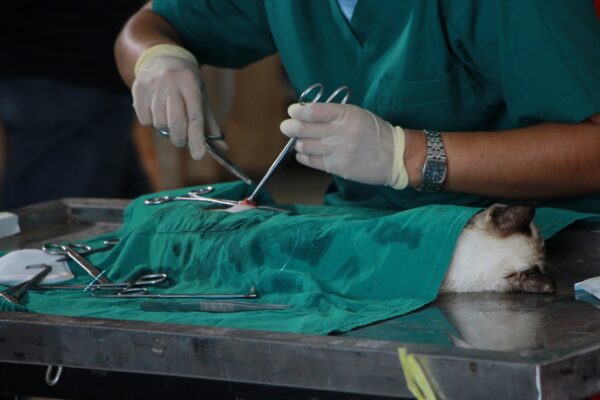
In many communities, public health is often associated only with hospitals, doctors, and medical treatment. However, beyond the walls of healthcare facilities exists another critical field quietly protecting human lives every day — veterinary public health. From disease surveillance and food safety to environmental sanitation and outbreak prevention, veterinary public health professionals play essential roles in controlling diseases that threaten both humans and animals.
As the world continues to experience outbreaks of infectious diseases, the importance of preventing zoonotic diseases has become more evident than ever. Zoonotic diseases are infections that can spread naturally between animals and humans. Diseases such as rabies, anthrax, avian influenza, brucellosis, tuberculosis, Ebola, and salmonellosis remain important public health concerns because of their ability to move across species and affect entire communities.
In Nigeria and many developing nations, factors such as poor sanitation, unsafe food handling, weak disease surveillance systems, overcrowding, environmental contamination, and close human-animal interactions continue to increase the risk of zoonotic disease transmission. In rural communities especially, people often live closely with domestic animals under conditions where hygiene and veterinary healthcare services remain limited.
Veterinary public health focuses on protecting human health through the control of animal diseases, environmental hazards, and foodborne infections. Unlike clinical veterinary practice that mainly treats animals, veterinary public health works at the population level by preventing diseases before they spread within communities. It combines epidemiology, environmental health, food safety, disease surveillance, and public awareness under the broader “One Health” concept.
The One Health approach recognizes that human health, animal health, and environmental health are deeply connected. An outbreak affecting animals can easily become a human public health crisis when preventive systems fail. This reality has been observed repeatedly in outbreaks involving rabies, bird flu, and other infectious diseases linked to animal reservoirs.
One of the major responsibilities of veterinary public health professionals is disease surveillance and outbreak monitoring. Veterinary epidemiologists monitor disease patterns among animal populations to detect potential public health threats early. Through surveillance systems, infected animals can be identified before diseases spread widely into human populations. Early detection remains one of the strongest tools in outbreak prevention and control.
Food safety also remains a major concern within veterinary public health. Animal products such as meat, milk, eggs, and fish can become sources of dangerous infections when produced, processed, or handled under unhygienic conditions. Veterinary officers conduct meat inspections, monitor slaughterhouses, and enforce food hygiene regulations to ensure that contaminated animal products do not reach consumers. Without proper inspection systems, zoonotic diseases may silently spread through the food chain.
Environmental sanitation is another important area where veterinary public health contributes significantly. Poor waste disposal from slaughterhouses, animal farms, and markets can contaminate water sources and increase disease transmission risks. Veterinary public health professionals advocate for proper waste management, environmental hygiene, and sanitation practices that reduce public health hazards within communities.
Public awareness and health education also form important parts of disease prevention efforts. Many zoonotic infections continue to spread because communities lack proper knowledge regarding disease transmission and prevention. Veterinary public health professionals educate the public on safe animal handling, vaccination importance, food hygiene, and environmental sanitation practices necessary to reduce infection risks.
In rural communities where veterinary healthcare services are limited, uncontrolled animal movement and increasing stray animal populations further increase public health risks. Vaccination campaigns against diseases such as rabies remain essential in protecting both animal and human populations. Preventive healthcare measures are often more effective and less costly than responding to widespread outbreaks after transmission has already occurred.
The growing interaction between humans, animals, and changing environmental conditions continues to increase the emergence of infectious diseases globally. Climate change, urbanization, deforestation, population displacement, and poor sanitation all contribute to the spread of zoonotic infections. These challenges make veterinary public health more important than ever in modern disease prevention systems.
Beyond treating sick animals, veterinary public health protects communities, strengthens food safety systems, supports outbreak control, and promotes environmental health. It remains a critical but often underappreciated pillar of public health protection. Strengthening veterinary public health systems through better surveillance, improved sanitation, public awareness, and stronger government support is essential in reducing the burden of zoonotic diseases across Nigeria and beyond.
Dr. UMORU MORIS
( DVM;UNIMAID)
























You must be logged in to post a comment Login