
Forgotten Dairies
Why Nigerians Still Believe in Elections Despite Repeated Disappointment -By Akinwumi Oluwatosin Rebecca
That is the contradiction at the center of Nigeria’s democracy: a population disappointed repeatedly by leadership, yet still emotionally attached to the possibility of change. In many ways, this persistence reflects the resilience of ordinary Nigerians. In a country where disappointment has become familiar, continuing to believe may itself be an act of courage.

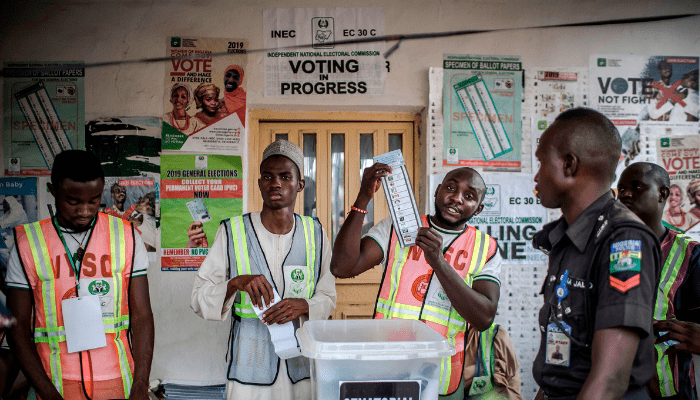
In many countries, repeated political disappointment slowly destroys public faith in elections. Citizens stop believing their votes matter, public anger turns into silence, and silence eventually becomes political apathy. Yet in Nigeria, despite years of frustration, broken promises, economic hardship, insecurity, and distrust in leadership, millions of people still participate in elections with remarkable emotional investment.
Nigerians still attend rallies, debate politics passionately, defend candidates online, and stand in long queues during elections waiting to vote. The question is simple but important: why do people continue believing in elections despite repeated disappointment?
Part of the answer lies in hope. For many Nigerians, elections represent possibility, perhaps the only moment when ordinary citizens feel they have a direct voice in deciding the country’s future. Even when previous governments fail to meet expectations, many citizens continue believing that a different leader, political party, or direction could improve their lives. In a country where millions struggle daily with inflation, unemployment, insecurity, and uncertainty about tomorrow, hope becomes emotionally necessary. Elections give people an opportunity to imagine change, even when reality later disappoints them.
Nigeria’s political history also shapes this belief. The country has experienced periods of military rule, restricted freedoms, and limited public participation. For many citizens, especially older generations, the right to vote still carries deep symbolic meaning. Elections are seen not only as political exercises, but as proof that citizens still possess the power to speak through the ballot box. Democracy may be imperfect, but many Nigerians still see it as better than silence or authoritarian control.
Young Nigerians have also transformed political participation in recent years. Through social media, activism, digital journalism, and online engagement, many youths have become more politically conscious and vocal. They question leaders publicly, analyze policies, organize movements, and influence national conversations. Even when disappointed by election outcomes or governance failures, many young people continue participating because they believe abandoning politics entirely would only worsen national problems.
However, believing in elections does not necessarily mean trusting politicians. Many Nigerians approach elections with emotional conflict. They want to believe in change, but years of repeated disappointment have created skepticism. Campaign promises often sound familiar, while politicians who once presented themselves as reformers sometimes become disconnected from the struggles of ordinary citizens after gaining power. As a result, many people now vote with both hope and caution.
In rural communities, elections often remain one of the few periods when political leaders physically appear before ordinary citizens. Campaign visits, rallies, and promises temporarily create a sense of visibility for communities that are frequently neglected after elections end. For many rural voters, participation becomes more than politics; it becomes a way of demanding recognition in a system where they often feel forgotten.
Perhaps the strongest reason Nigerians still believe in elections is because the alternative feels more dangerous. When citizens completely lose faith in democracy, societies risk drifting toward political violence, instability, or total public indifference. Many Nigerians understand this deeply. Even those frustrated by the system often continue voting because they fear what happens when people stop caring altogether.
That is the contradiction at the center of Nigeria’s democracy: a population disappointed repeatedly by leadership, yet still emotionally attached to the possibility of change. In many ways, this persistence reflects the resilience of ordinary Nigerians. In a country where disappointment has become familiar, continuing to believe may itself be an act of courage.
Akinwumi Oluwatosin Rebecca
Department of Mass Communication
University of Maiduguri.























You must be logged in to post a comment Login