Africa
Children Deserve More Than One Day Of Love: Stop The Once-A-Year Political Showmanship -By Isaac Asabor
If a politician cannot be bothered about the plight of children on all 365 days, then delivering a speech on May 27 is not just hypocritical, it is offensive. Children deserve more than lip service. They deserve action, protection, investment, and genuine care, not a one-day circus of empty words.

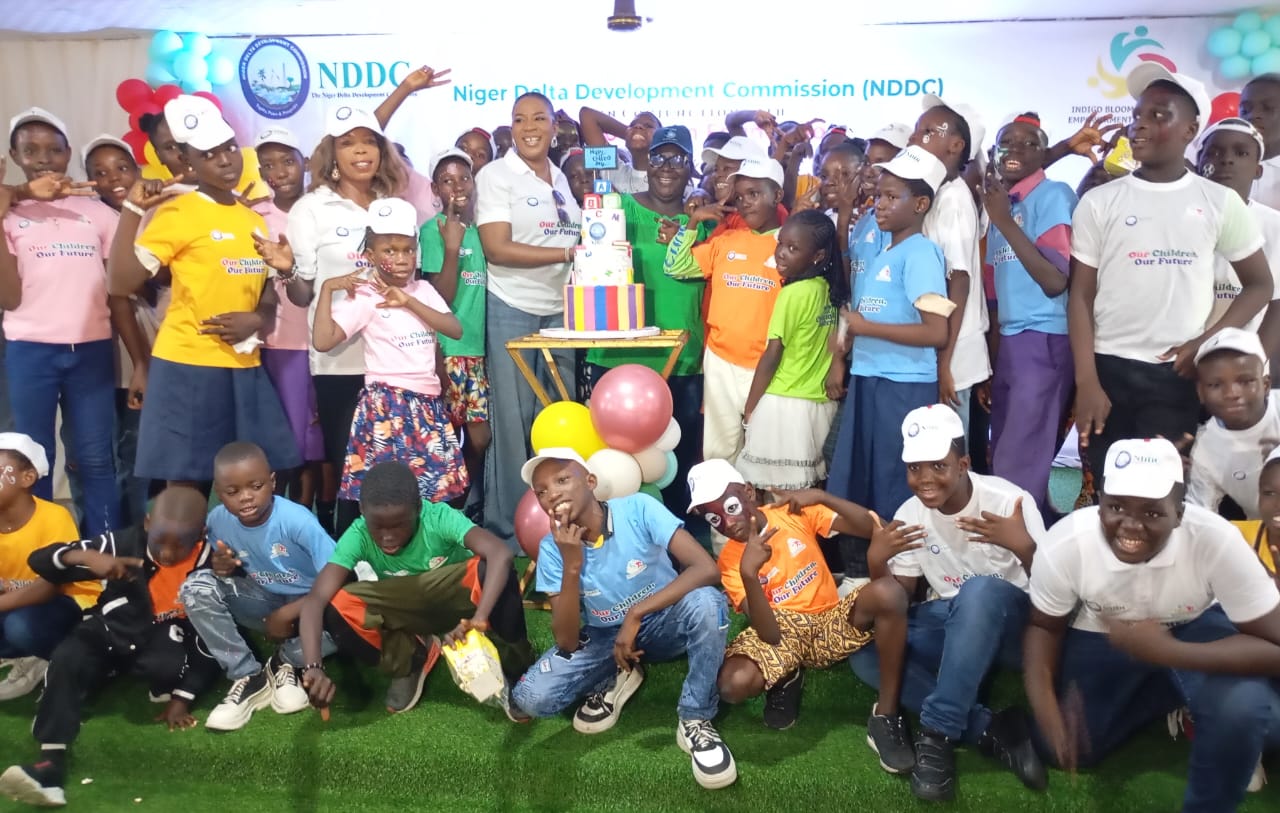
Each year, May 27 rolls around in Nigeria and is marked with the pomp and pageantry of Children’s Day, songs, parades, speeches, and photo-ops dominate the airwaves. Political leaders, government officials, and public figures suddenly discover their soft spots for children. They deliver carefully crafted speeches about the future of the nation, the importance of education, and their so-called commitment to the rights of every Nigerian child.
But the question must be asked: “Why only on Children’s Day?” “Why must the conversation about the welfare of our children be squeezed into a single date on the calendar, only to be shelved again until the next May 27?”
The fact is, true care for children is not a once-in-a-year performance, it is an everyday responsibility. Children’s needs do not arise annually. They eat daily, go to school weekly, fall ill, need protection, crave love, and require direction all year round. Every single day, Nigerian children are exposed to the harsh realities of a system that has not prioritized them. From out-of-school children in the North to hawkers in Lagos traffic and those stuck in IDP camps, the lived experiences of these young ones stand in sharp contrast to the sweet words mouthed by politicians and other public officials on Children’s Day.
Worse still, the genuine spirit behind the observance of the day is increasingly being hijacked by political actors who see the day not as a moment for policy introspection but as a public relations opportunity.
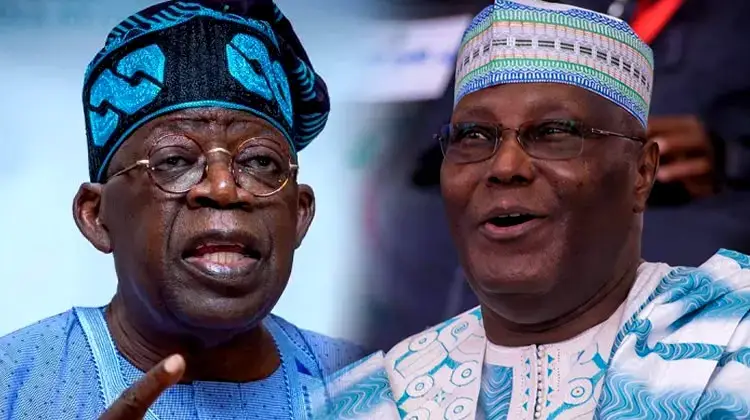
President Bola Tinubu, in his 2025 International Children’s Day address, highlighted his administration’s commitment to safeguarding Nigerian children’s rights and well-being. He acknowledged the alarming prevalence of bullying, with studies estimating that up to 65% of school-age children in Nigeria have experienced some form of aggression. To combat this, Tinubu unveiled comprehensive initiatives, aligning with the theme “Stand Up, Speak Up: Building a Bullying-Free Generation.”
According to the president, his government is implementing various child protection measures, including the full execution of the National Plan of Action on Ending Violence Against Children (2024–2030). Additionally, they are reviewing key legislation such as the Child Rights Act (2003) and the Violence Against Persons (Prohibition) Act (2015) to strengthen child protection laws and close enforcement gaps.
He added that the administration is leveraging the Cybercrime Act to address cyberbullying and online exploitation and has introduced the National Policy on Safety, Security, and Violence-Free Schools. Investments in child safeguarding include embedding social-emotional learning into teacher training and scaling up the Child Protection Information Management System (CPIMS) for real-time case tracking. He explained that, the government is expanding access to healthcare services, enhancing child protection mechanisms at the community level, and supporting alternative care systems for vulnerable children. Tinubu stressed the importance of a collective approach involving families, schools, communities, and the government to ensure a safer and more nurturing environment for Nigerian children.
In a similar vein, Governor Babajide Sanwo-Olu of Lagos spoke about “an enabling environment for all children” and touted public-private partnerships improving educational infrastructure. But Lagos still battles with overcrowded classrooms, underpaid teachers, and thousands of street children.
Also in a similar vein, Governor Hope Uzodimma of Imo State declared his government’s commitment to “supporting children to achieve their fullest potential.” However, potential is not achieved by mere promises, it requires policy-backed action.
On his own part, Peter Obi, former Anambra State governor, made arguably the most honest contribution by highlighting a grim statistic: four out of every ten Nigerian children are involved in child labour. He rightly called for increased investments in children’s development, a call that falls flat if not backed by concrete advocacy and consistent pressure on the government.
While these statements sound commendable, they have become so predictable and formulaic that many Nigerians now view them as an annual exercise in political whitewashing. The reality on the ground continues to betray the rhetoric. Children are abused, trafficked, deprived of education, and killed in conflict zones, all while politicians give flowery speeches every May.
This performative approach must end. Children’s Day should not be the only day leaders remember children exist. Every day is Children’s Day in the life of a child. If children only matter to the government on May 27, then Nigeria has lost its moral compass.
We must begin to understand that children’s rights are not seasonal talking points, they are non-negotiable, daily responsibilities. Policymakers must fund public schools, ensure affordable healthcare, enforce child protection laws, and reduce economic conditions that force children into the streets.
If a politician cannot be bothered about the plight of children on all 365 days, then delivering a speech on May 27 is not just hypocritical, it is offensive. Children deserve more than lip service. They deserve action, protection, investment, and genuine care, not a one-day circus of empty words.
Until we begin to walk the talk beyond Children’s Day, we are simply raising a generation in a system of broken promises and political gimmicks. And that, frankly, is a betrayal of Nigeria’s future.