Business
Cooking The Nigerian Frog; The Man Who Saw Tomorrow -By Olugbenga Jaiyesimi
Nigerian capacity utilization was as high as 79% in late 70s when petrodollars was streaming in but fell to lows of 30% with oil price crash of early 80s and ensuing forex scarcity that lasted two decades. Chances are capacity utilization and outright folding up of manufacturing concerns is going to worsen as scarcity of forex continues to bite hard.

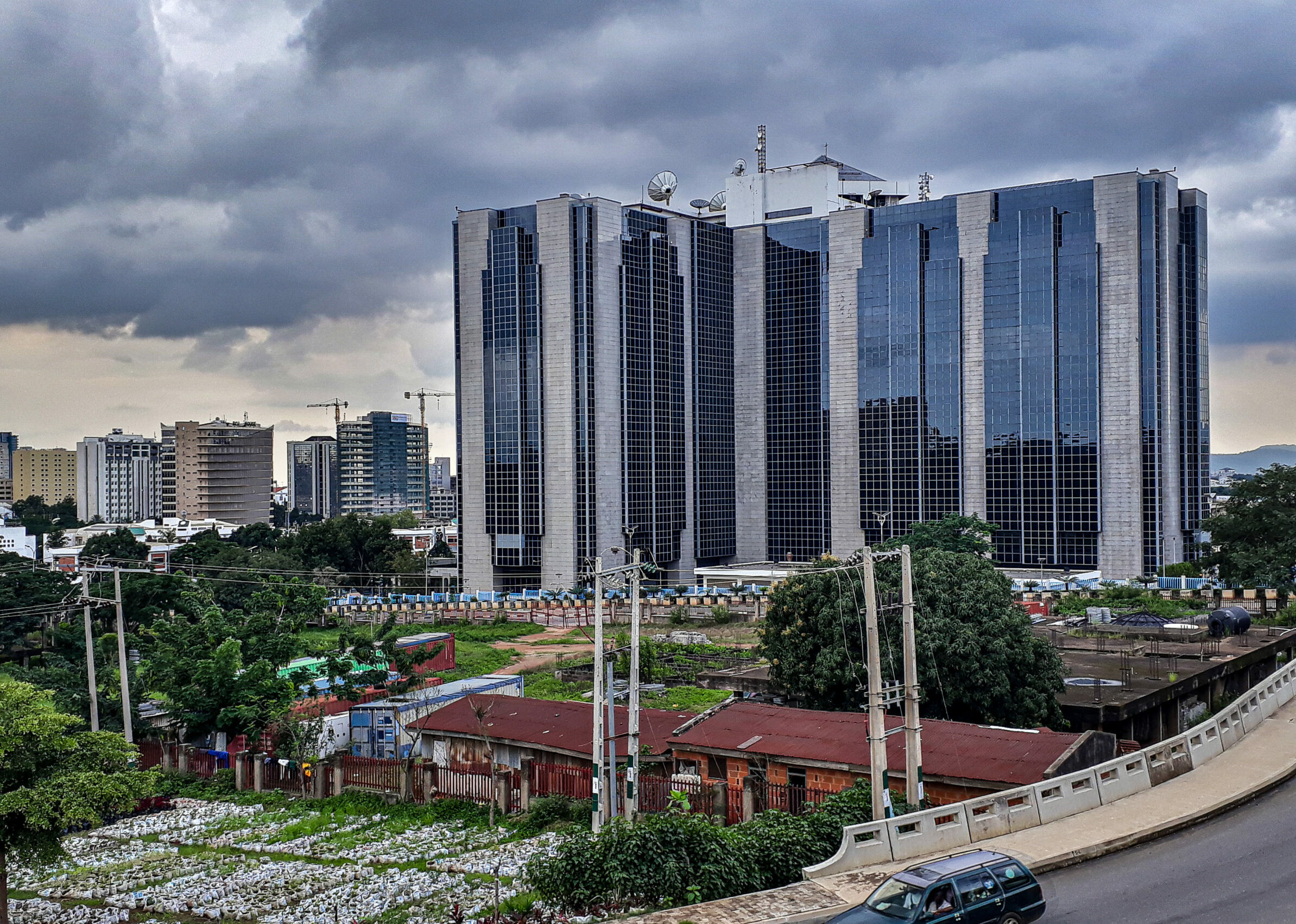
Two years ago, in an article titled STOP BORROWING DOLLARS BORROW SENSE predicted the dollar exchanging for one thousand naira whether Nigerians liked it or not. To be conservative I wrote this should be within three years, it has come to pass in two years. This was inevitable owing to futility of buharinomics and emefielism. Seeing Emefiele accusing the forex rating agency Abokifx of being the reason for Naira’s continued depreciation, I knew they had no clue in the then CBN. Abokifx refused getting in the ring with Emefiele and quit publishing daily rates. The rest is history, back then in 2021 July the naira had just crossed above five hundred naira to dollar at parallel market.
To the credit of the Central Bank it responded to issues raised by floating the RT 200 program to energise non-oil exports. What is the fate of the program since the ouster of Emefiele? Has the program gone out with Emefiele and his team of Deputy Governors? This would be a mistake judging by available data. Are policy makers aware that Nigeria come’s last in the league of nations in rating of non-oil exports to a country’s GDP? We come second to the last when our oil and gas exports are factored in displacing Sudan to the last on the list of 179 nations. Should this come as a surprise, after all we are told shipping containers leave our shores empty!
This slide did not begin with the last administration, it has been on since we grew our GDP but refused to export beyond crude goods. Our penchant for exporting crude items is symptomatic, the root cause lies elsewhere and if not uprooted, it is two thousand naira to a dollar within a year and a half. Most of the structural economic issues have their causes rooted in our current mindset.
What is this mindset? We say we have not satisfied our needs and want our businessmen to export! This is the horror industriailisation for just import substitution brought on us, fueled by petrodollars earned without much sweat by indigenes of Nigeria. Neither did we include adding any value to our agrarian produce before export in our industrial policy. Whatever cocoa beverages produced in Nigeria was for local consumption, so also textile from locally grown cotton. Nigerian manufactures were not found elsewhere in the world except in neighboring African countries.
Any signs we have learnt lessons from our dismal performance in engaging the world in more complex goods? I don’t think so. If we have learnt lessons our Presidents including current one will be Minister in charge of Industry Trade and Investment rather than Minister of Petroleum. As happened in the past after the lull in oil prices of 1980s and 90s and a return to peak oil of 2010s, our businessmen and bureaucrats are currently waiting for a return of $100 oil to adequately finance their forex needs rather than meeting their forex needs from export of the products from their factories. This keeps us at the lowest rung of exporting nations.
Those who fail to learn lessons from the past are doomed to repeating them, and in my opinion we are repeating what led to failure of Nigeria’s first efforts at industrialisation. With influx of petrodollars in 1970s industrial warehouses strung up across the country. We had glass manufacturing, battery makers, carpet industries, and over thirty breweries strewn across the country with many other import substitution based factories. What did they have in common? Most of them had to import their basic inputs. When oil prices crashed most of these industries disappeared except few breweries, poultry industry and others that structurally adjusted and sought their primary inputs from within Nigerian borders. Instead of intensifying this on return of peak oil in 2010s, new industries and the survivors resumed importation of their inputs. Another wipeout appears inevitable as installed capacity utilization keeps plunging. Manufacturing capacity had recovered from lows of around 30% in late 1980s to current 56%.
Nigerian capacity utilization was as high as 79% in late 70s when petrodollars was streaming in but fell to lows of 30% with oil price crash of early 80s and ensuing forex scarcity that lasted two decades. Chances are capacity utilization and outright folding up of manufacturing concerns is going to worsen as scarcity of forex continues to bite hard. Only industries that restructure to utilise inputs from within will survive as happened in the 80s and 90s.
However they need to go further than how they survived the forex crunch of late last century. They need to now contribute to forex income of the nation. From the data on relationship of Nigerian non-oil exports to GDP it is obvious our Nigerian business elite have been playing local champions. This must stop in this new dispensation towards recovery of the Nigerian economy. They must be told to export or face inevitable collapse because CBN is no more spoon feeding them with forex. As it stands manufacturers utilise over 50% of official forex with no commensurate returns.
Not much has changed since my prediction of naira sliding to a thousand naira to a dollar while others thought uhuru from constant naira devaluation was round the corner. It wasn’t a prediction but an inevitability. For when a nation do not address issues at their root cause or causes, these problems fester. As in medicine if you give paracetamol for malaria you would feel better for a while but end up with cerebral malaria.
There is so much clatter around stabilising the naira and clatter that is not addressing the root issues. One such clatter was commodification of naira using the cassava as monetary policy, waiting to hear what Finance minister got to say on this attention catcher. We have been informed that we are mere consumers and don’t produce, and told to consume what we produce. As good as it sounds it is exactly our problem if interrogated properly. An economy with GDP of 150 billion USD in 2000 now around 500 billion USD is not producing, really? We are producing with new warehouses springing up along major highways. As we are implored to do we consume all we produce and have no flare for exports. Chatter and clatter.
It is shocking that a group who have been preparing to take over affairs from Buhari and succeeded in their endeavour participate in this chatter and seem not to know how to stabilise the naira and let us all breathe. They made and sold glossy manifestos to us and are now setting up 70 man committees to fashion out tax and fiscal policies! The headmaster’ new CBN governor talking at his screening could not inform us how he would increase forex supply beyond platitudes.
The job on hand is not that of the Governor of Central Bank and Finance minister alone. The minister for Industry, Trade, and Investment and Director General Nigerian Ports Authority have to reconfigure our ports to not only receive imports but reconfigure them for easy exports. Industrial policy must be changed away from import substitution industrialisation policy to that of export-led industrialisation. The Foreign Affairs ministry should not be left out. Our foreign desk must excel at the task of aiding sale of Nigerian manufactures in host countries. Marketers might be posted as ambassadors.
The donkey work has to be borne by members of Manufacturing Association of Nigeria MAN especially indigenous members. Foreigners dominate manufacturing in Nigeria and their forex earnings don’t exactly belong to Nigeria. The foreign investors who bring in FDI have to repatriate their profits which is additional pressure on the naira. However their is a silver lining, the Dangote Group. Earlier in the year Emefiele, at the hurried commissioning of the refinery, said the enterprise could earn Nigeria $20 billion USD annually. From the horse’s mouth, Aliko said his Lekki enterprises can earn $16 billion USD in forex. This will be multiples of current $1.5 billion USD earned by other members of MAN.
What are other members of MAN doing, after all Aliko is not waiting for a change in industrial policy before diving headlong into exports. Other members might need a kick to get them going. And the kick will come from CBN not spoon feeding them with forex as being done for decades. The task of moving Nigeria’s non-oil exports from 1% of gdp to 10% of gdp in short run and above 20% in medium term is for members of MAN to execute and not for Tinubu and his cabinet.