
Africa
Charcoal: The Secret And Highly Profitable Business Nigerians Are Turning To -By Lilian Emmanuel
Despite being a humble trade, charcoal production embodies the entrepreneurial spirit that thrives even in hardship. It demonstrates how Nigerians turn simple natural resources into powerful tools for survival and prosperity. With greater support from government, regulation, and innovation, the industry can expand into an organized and globally recognized sector that sustains both livelihoods and the environment.

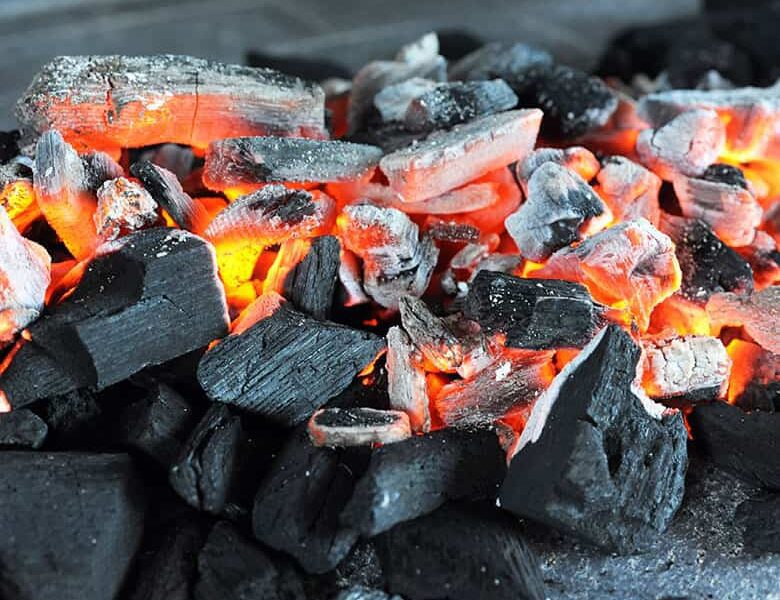
In many parts of Nigeria today, charcoal has silently become one of the most profitable and sustainable ventures that cut across urban and rural areas. What was once regarded as an informal trade for villagers and rural dwellers has grown into a booming business attracting attention from entrepreneurs, exporters, and investors. The simplicity of its production, the consistency of demand, and the opportunity for both local sales and export make charcoal one of the hidden treasures in Nigeria’s growing economy.
Charcoal, often described as “black gold,” plays a vital role in many Nigerian households and industries. It serves as a primary energy source for cooking, grilling, and heating, especially in communities where electricity and cooking gas remain unreliable or expensive. For millions of Nigerians, charcoal remains a dependable and affordable option for daily living. Beyond homes, food vendors, roadside restaurants, and suya sellers rely heavily on it, ensuring that the market remains active throughout the year.
The profitability of the charcoal business stems from its simplicity and low startup cost. Unlike other ventures that require huge financial investment, charcoal production and trading can begin with minimal resources. Producers source hardwoods such as acacia, mahogany, or shea trees, which are carbonized in earthen kilns or metallic drums. The resulting charcoal is cooled, bagged, and sold in local markets or to wholesalers. This process, though traditional, yields significant profit margins due to the ever-growing demand.
In rural areas across states like Oyo, Niger, Nasarawa, and Borno, charcoal production has become a major source of livelihood. Families and cooperative groups engage in it seasonally or yearround, depending on access to raw materials. The business provides jobs for woodcutters, loaders, transporters, and marketers, forming an entire value chain that sustains rural economies. Some producers even expand into wholesale distribution, supplying traders in cities like Lagos, Kano, Abuja, and Maiduguri.
For urban entrepreneurs, charcoal represents an investment opportunity with high returns. Many city-based businesspeople purchase large quantities from rural producers, bag them attractively, and sell them to supermarkets, restaurants, and grill shops. Some go a step further by exporting the product to international markets. Nigerian charcoal is highly valued in countries like Germany, Belgium, the United Kingdom, and Saudi Arabia for its long-burning quality and high carbon content. Exporters purchase the product locally, compress it into export-standard bags, and sell at several times the domestic price abroad.
The export aspect of charcoal has turned it into a lucrative foreign exchange earner for Nigeria. A ton of charcoal that sells locally for around ₦100,000 can sell for between ₦250,000 and ₦300,000 in the international market, depending on quality and shipping costs. Exporters often work with international buyers who require bulk shipments, creating opportunities for partnerships and sustainable income. With the right documentation and export permits from the Federal Ministry of Environment and the Nigerian Export Promotion Council (NEPC), small and medium-scale investors can easily tap into this booming market.
The growing demand for charcoal is not limited to cooking and energy. It has also found applications in industries such as metallurgy, pharmaceuticals, agriculture, and cosmetics.
Activated charcoal, produced through special processing, is now used in water purification, toothpaste, skincare products, and detox formulas. This diversification of use ensures that the demand remains steady and profitable, even as the market continues to expand.
However, the industry is not without challenges. The environmental impact of uncontrolled wood cutting for charcoal production has raised concerns among environmentalists and government agencies. In some parts of the country, deforestation and land degradation have resulted from unsustainable practices. To address this, stakeholders are now encouraging producers to adopt reforestation programs and explore alternative raw materials. Eco-friendly charcoal, made from agricultural waste like coconut shells, maize cobs, and sawdust, is gaining traction as a sustainable option.
Government agencies and NGOs are increasingly promoting sustainable charcoal production through training and awareness campaigns. These initiatives aim to protect the environment while maintaining the economic benefits of the trade. Producers who comply with environmental standards also stand a better chance of accessing international markets, where eco-certification is becoming a requirement for exports. Responsible production practices therefore ensure both longterm profit and environmental protection.
The future of charcoal as a business in Nigeria remains bright. With rising urbanization, population growth, and inconsistent power supply, the domestic demand will continue to increase. Additionally, as more people discover the export potential, the business will attract greater investment. Entrepreneurs who combine innovation, sustainability, and good management stand to gain significantly from this sector.
Another emerging trend in the industry is branding and packaging. Rather than selling charcoal in unbranded sacks, some entrepreneurs now package them in smaller, neatly labeled bags for supermarkets and online stores. This value-added approach not only increases profit margins but also gives the business a modern and professional outlook. Proper branding also allows producers to differentiate their products and attract premium buyers both locally and internationally. Charcoal’s economic benefits go beyond individual profits. The business contributes to community development by creating employment, generating income, and supporting smallholder economies. In many rural areas, charcoal production has become an alternative source of livelihood for families affected by declining agricultural productivity or unemployment. The chain of activities— from cutting wood to transporting and selling—provides steady income for countless Nigerians.
Despite being a humble trade, charcoal production embodies the entrepreneurial spirit that thrives even in hardship. It demonstrates how Nigerians turn simple natural resources into powerful tools for survival and prosperity. With greater support from government, regulation, and innovation, the industry can expand into an organized and globally recognized sector that sustains both livelihoods and the environment.
In the end, charcoal remains more than just a cooking fuel—it is a silent powerhouse of Nigeria’s informal economy. From rural kilns to international export warehouses, it represents the resilience, creativity, and ambition of Nigerians who continue to turn the ordinary into opportunity. As the country seeks new ways to diversify its economy, charcoal stands out as one of the simplest yet most rewarding ventures—an untold story of wealth hidden in black dust.
Lilian Emmanuel is a 300 level student from Kashim Ibrahim University (Formerly Borno State University, Maiduguri)



























You must be logged in to post a comment Login