
Africa
Zoonotic Tuberculosis: Bridging Animal Health and Human Lives in a Shared World -By Dr. Umoru Moris
The human impact is both direct and far-reaching. Farmers, dairy workers, butchers, and their families face heightened occupational risks, with children particularly vulnerable through contaminated dairy. Zoonotic TB frequently manifests as extrapulmonary disease, complicating diagnosis and delaying treatment. Beyond individual suffering, infected herds lead to reduced milk yields, carcass condemnations, and trade barriers that erode household incomes and food security.

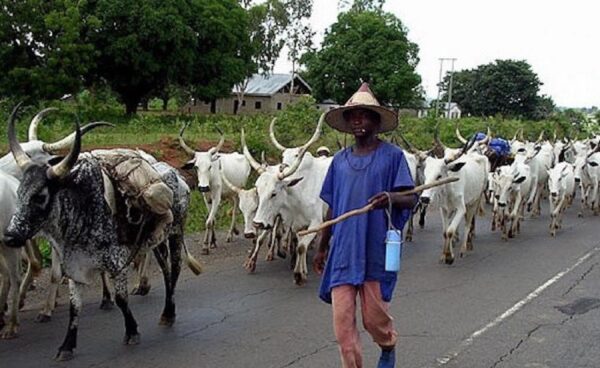
In rural communities where families share their daily lives with livestock, a silent threat often goes unnoticed until it crosses from barn to breakfast table. Zoonotic tuberculosis, primarily driven by Mycobacterium bovis in cattle, continues to claim human lives and undermine livelihoods, reminding us that the health of animals and people is inextricably linked.
This interconnected reality matters profoundly in today’s world. While global efforts have made strides against human tuberculosis, the zoonotic form linked to animals remains under-prioritized, especially in regions where people depend heavily on livestock for survival. Uncontrolled bovine TB not only affects animal productivity but also fuels hidden human infections that are difficult to diagnose and treat, perpetuating cycles of illness and poverty.
The disease spreads through everyday interactions that define rural and peri-urban life. Inhalation of aerosols from infected cattle, consumption of unpasteurized milk or dairy products, and direct contact with diseased animals or carcasses represent the main pathways. In many low- and middle-income countries, traditional farming practices, limited veterinary services, and the presence of wildlife reservoirs sustain the infection cycle. Close human-animal proximity in pastoralist systems heightens exposure, while immunosuppression from conditions like HIV further amplifies vulnerability.
Contributing factors extend beyond biology. Weak surveillance systems, inadequate testing and culling programs in livestock, and insufficient public awareness allow the pathogen to persist. In high-burden areas, raw milk consumption remains common due to cultural preferences and economic constraints, while abattoir hygiene and movement controls often fall short. Wildlife interfaces in regions like parts of Africa and Europe add complexity, creating multi-host systems that challenge conventional control methods.
The human impact is both direct and far-reaching. Farmers, dairy workers, butchers, and their families face heightened occupational risks, with children particularly vulnerable through contaminated dairy. Zoonotic TB frequently manifests as extrapulmonary disease, complicating diagnosis and delaying treatment. Beyond individual suffering, infected herds lead to reduced milk yields, carcass condemnations, and trade barriers that erode household incomes and food security. In affected communities, this translates to lost educational opportunities, increased medical costs, and deepened economic vulnerability.
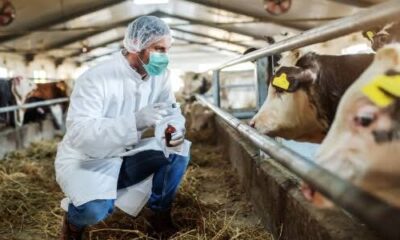
A way forward exists through deliberate, collaborative action. Test-and-slaughter strategies in cattle, combined with rigorous milk pasteurization and improved abattoir surveillance, have proven effective where consistently applied. Strengthening veterinary diagnostic capacity, promoting farmer education on biosecurity, and investing in research for better vaccines are essential. Most importantly, adopting a true One Health framework bringing together veterinarians, physicians, public health officials, and policymakers can drive integrated surveillance, policy development, and community-level interventions. International roadmaps from organizations like WHO, FAO, and WOAH provide clear priorities for reducing transmission at the animal-human interface.
Ultimately, tackling zoonotic tuberculosis calls us to recognize that protecting animal herds is inseparable from safeguarding human families. By embracing this shared responsibility with science, compassion, and coordination, we can build healthier communities where the line between barn and home no longer carries hidden danger. The choices we make today at this critical interface will determine the legacy of health we leave for generations to come.






















You must be logged in to post a comment Login