Africa
Crisiand Reform: The Current State of Nigeria’s Education Sector -By Mala Mohammad Tar
Nigeria’s education sector is at a pivotal moment. The trouble is not simply that the problems are old—they are—but that the demands of the 21st century require solutions with far greater urgency and scale than ever before. Reformers, policy makers, communities and students alike must now act in concert to ensure that the nation’s vast human resource is not squandered, but rather transformed into the engine of its future success.


Nigeria’s education sector finds itself at a crossroads. With Africa’s largest youth population and an ambitious national agenda for growth, the promise of education as a driver of socio-economic transformation is immense. Yet beneath this potential lies a tapestry of systemic challenges—from underfunding and outdated curriculum to insecurity and a growing skills mismatch—that threaten to undermine the country’s future.
One of the most glaring issues is the chronic underfunding of education. Although UNESCO recommends that countries allocate at least 15 – 20 % of their budget to education, Nigeria consistently falls well below this threshold. Schools across the country suffer from dilapidated infrastructure, lack of teaching materials, and poorly paid teachers—all symptomatic of budgetary shortfalls.
Closely linked is the decline in teaching quality. The shortage of qualified teachers is acute: reports indicate that for primary schooling alone, the shortfall runs into the hundreds of thousands. Moreover, many teachers enter the profession without adequate training or support, weakening the entire foundation of instruction. The result is classrooms in which learners receive less than optimal pedagogical input, limiting their ability to grasp essential concepts.
Curriculum relevance presents another major hurdle. Much of the education offered in Nigeria is divorced from the demands of the modern job market. As critics note, the curricula are often outdated, with insufficient emphasis on STEM, digital literacy, vocational skills or critical thinking. This disconnect means students may complete schooling without being truly “job-ready”, which in turn contributes to high rates of graduate under-employment.
Insecurity and access remain stark obstacles, particularly in parts of northern Nigeria. Conflict, insurgency, banditry and school-kidnappings have forced many schools to shut down, and many children, especially girls, are effectively excluded. When children miss years of schooling or drop out altogether, the long-term consequences for human capital formation are grave.
Access disparities compound the problem. Beyond region-specific insecurity, socio-economic status, gender, disability and rural location all play determining roles in whether a child obtains a meaningful education. In some rural and impoverished communities children learn in temporary shelters or under trees—hardly conducive to learning.
Despite these challenges, recent reforms suggest a shift in momentum. The current administration has increased the education budget, launched a revised skill-based curriculum, and established a national data repository for education planning. A landmark piece of legislation—the Student Loans (Access to Higher Education) (Repeal and Re‑enactment) Act, 2024—has also paved the way for interest-free loans for tertiary students via the Nigerian Education Loan Fund (NELFUND). These policy moves signal recognition that traditional approaches alone will not suffice.
Yet reform is only as good as its implementation. Concerns remain that even with increased budgets, fundamental issues such as teacher shortages, infrastructure deficits, and weak accountability mechanisms persist. Without robust oversight and consistent follow-through on policy promises, new funds may not translate into real, on-the-ground improvements.
A further dimension yet to be fully addressed is the digital divide and its impact on education. With the increasing importance of online learning, digital literacy and connectivity are no longer optional. Many Nigerian schools and students lack access to reliable electricity, internet or devices, which means that innovations in digital pedagogy remain out of reach for large segments of the population. As the world moves toward hybrid and tech-enabled education models, Nigeria risks being left behind unless it accelerates investment in ICT infrastructure and capacity.
Looking ahead, the path forward must be multifaceted. It will require raising budgetary commitments significantly, prioritizing teacher training and retention, aligning curricula with future-oriented skills, closing the access gap for marginalized groups, safeguarding schools from insecurity, and embracing digital transformations. If Nigeria can navigate these challenges effectively, the education sector could become the catalyst for national renewal that it promises to be. But if it fails, generations of young Nigerians may be condemned to the lost potential of an education system incapable of delivering.
In short, Nigeria’s education sector is at a pivotal moment. The trouble is not simply that the problems are old—they are—but that the demands of the 21st century require solutions with far greater urgency and scale than ever before. Reformers, policy makers, communities and students alike must now act in concert to ensure that the nation’s vast human resource is not squandered, but rather transformed into the engine of its future success.
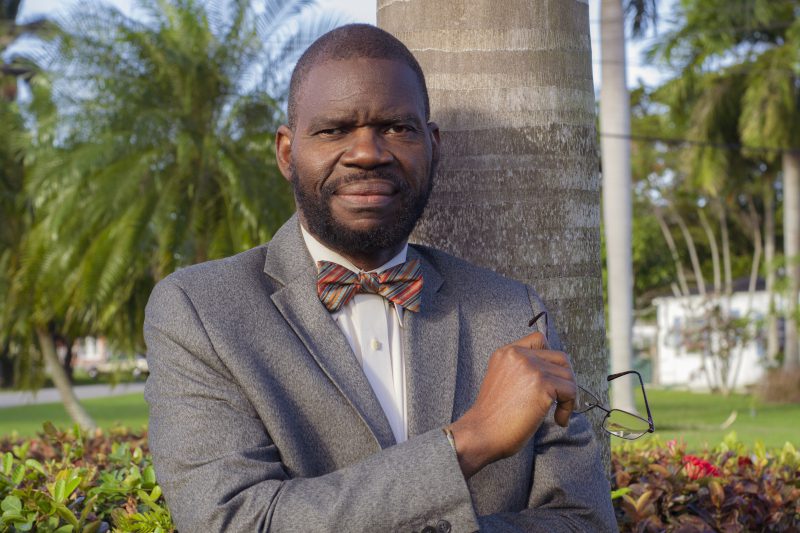
Mala Mohammad Tar Student of mass communication Kashim Ibrahim University, Maiduguri