Africa
Crisis of Costs: Nigeria’s Hard-Economy Pushed to Breaking Point -By Abba Kime Saleh
For Nigerians in Port Harcourt, Kano, Lagos, and countless smaller towns, the question is immediate: how long can this pace of cost escalation continue before the fabric of daily life unravels? Because when the costs of living eat into basic dignity, the problem becomes more than economic—it becomes existential. The challenge facing the country now is to ensure that reform is humane, that growth is inclusive, and that governance translates into relief, not recklessness.

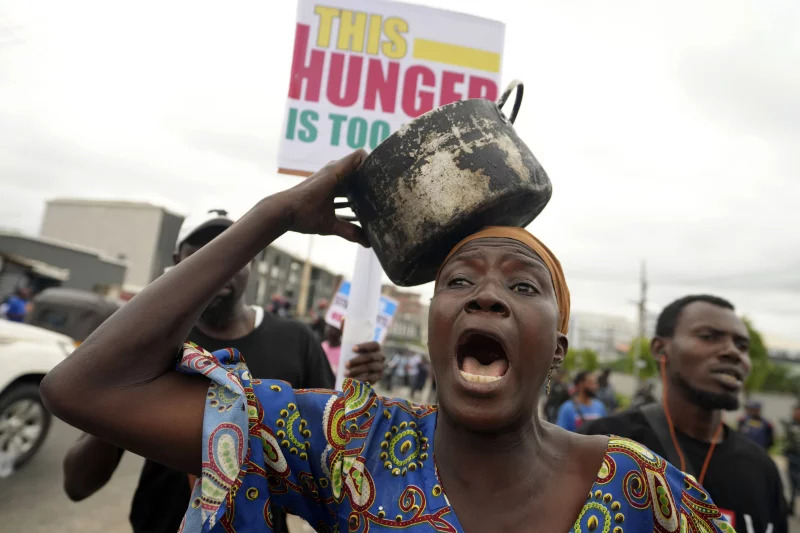
In cities and rural towns alike across Nigeria, the echoes of hardship are growing louder. Many citizens are waking each morning not to possibility and promise—but to a harsh reality of soaring prices, shrinking purchasing power, and growing anxiety. What makes this phase different is its depth: it isn’t just one commodity spiking, but a spreading wave of inflation, subsidy removals, currency depreciation and faltering services that together are straining the social fabric of the country.
The removal of the longstanding fuel subsidy by the Bola Tinubu administration marked a watershed moment. While the government framed it as a needed reform to liberate finances and channel resources to better uses, many Nigerians saw it as a signal that protections were being withdrawn at the exact moment they most needed them. The result was predictable: fuel, transport, energy costs surged, triggering ripple-effects that hit consumers, traders and workers alike.
Inflation has crept—and in some areas galloped—beyond what many households can absorb. Food inflation, in particular, has become a potent source of anger among ordinary Nigerians. Staples that once cost modest sums are now a luxury for many; families are re-engineering their budgets, skipping meals, or trying to earn additional income just to keep up. Thousands of workers, students and traders have taken to the streets, not in isolated incidents but in growing waves of protest, signalling that the economic threshold of endurance is being crossed.
One of the paradoxes of the situation is that at a time when Nigeria is still a major oil‐producing nation, many feel its citizens are deprived of the benefits of that wealth. Those in the informal economy—street traders, transport operators, casual labourers—are suffering most visibly. Their costs rise, their margins shrink, and many have no cushion. The sense of injustice is mounting: why are the many bearing the costs of reforms while the few seem insulated or unaffected?
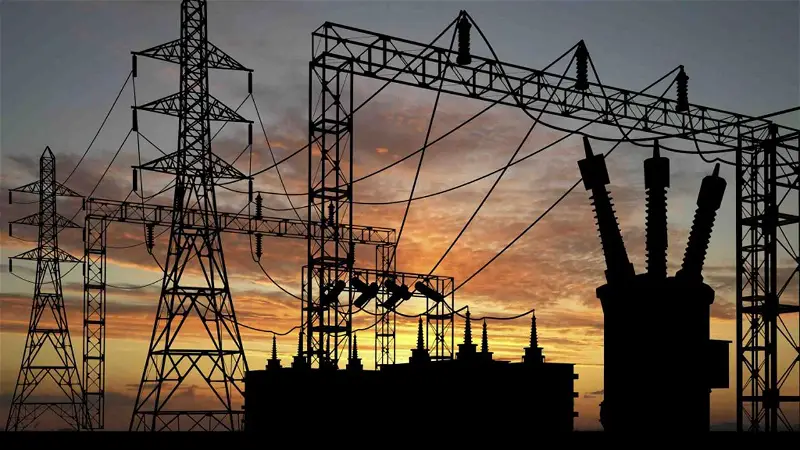
Complementing the economic squeeze is a degradation in public service reliability. Power outages, rising electricity bills, tuition fees, transport disruptions—all collude to deepen the strain. In some universities, for example, students are forced to study without electricity because large consumers are hit by subsidy removals. This erosion of service while costs rise adds a bitter dimension: it isn’t just inflation, it’s declining value for what people are already paying.
The response of the government so far has been a mix of reform rhetoric, partial policy shifts, and a growing crackdown on dissent. Agencies have warned of protests and some planned demonstrations have been met with heavy security responses. Critics argue that rather than dialogue, the response has leaned toward suppression. The trade-off between maintaining order and listening to the grievances has become more acute.
Beyond immediate discomfort, the longer-term implications are worrying. Economic distress tends to feed social unrest, undermine trust in institutions, and erode the legitimacy of leadership. For a country grappling with multiple crises—security, governance, social cohesion—the burden of economic pain risks fuelling other fractures: crime, migration, political instability.
Yet amidst the gloom there are signs of awakening. Citizens are increasingly vocal—not just complaining but organising, protesting, demanding accountability. Labour unions, student groups, and civil society organisations have issued warnings and mobilised. The fact that protest is becoming a recurring feature signals a shift in public posture: the time for silent suffering may be ending.
What remains to be seen is whether policy shifts will follow. Will the government combine reform with mitigation, protecting the most vulnerable while repositioning the economy? Will fiscal reform go hand-in-hand with social programmes, targeted subsidies, job creation? If not, the risk is that the current hardship will ossify into chronic decline rather than a stepping stone to recovery.
For Nigerians in Port Harcourt, Kano, Lagos, and countless smaller towns, the question is immediate: how long can this pace of cost escalation continue before the fabric of daily life unravels? Because when the costs of living eat into basic dignity, the problem becomes more than economic—it becomes existential. The challenge facing the country now is to ensure that reform is humane, that growth is inclusive, and that governance translates into relief, not recklessness.
Ultimately, this is not just an economic story; it is a story about social trust and national resilience. If Nigeria is to navigate this moment successfully, it will need leaders and citizens aligned: reformers who act with urgency and empathy, and a public willing to engage not in anger alone, but in constructive dialogue. The cost of failure is high. The cost of inaction might be even higher.
Abba Kime Saleh, student of mass communication Kashim Ibrahim University, Maiduguri