Forgotten Dairies
Democracy Works Better When Citizens Demand, Not Beg -By Muhammad Dan Musa
Nigeria’s democracy will mature only when citizens shift their mindset. When we stop treating governance as a favor and begin insisting on our rights, leaders will become more responsive, institutions stronger, and development more consistent.

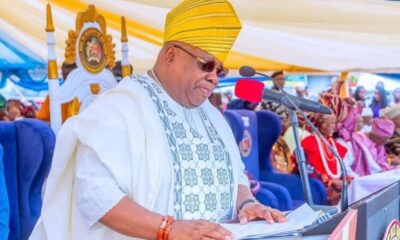
Across Nigeria today, it is common to see politicians commissioning roads, boreholes, or school projects, only to be met with waves of applause and banners praising their generosity. Social media quickly fills with “thank you” posts, as if the leader has done something extraordinary.
But here is the hard truth many Nigerians have yet to understand: governance is not a favor, it is a duty.
In a democracy, public office is not a platform for personal kindness. Politicians are employees of the people, entrusted to manage public resources responsibly. The money used to build roads, schools, or hospitals does not come from their pockets. It comes from our taxes, our markets, our work. Development is not a gift; it is what citizens are owed.
Yet, many still see government projects as acts of generosity. This is not surprising. Years of neglect, patronage politics, and weak civic education have lowered public expectations. Ordinary services now appear as extraordinary achievements. Communities cheer for what should be routine. Leaders are praised for simply doing their jobs.
Democracy does not grow in a culture of low expectations. Citizens must see themselves as the source of power, not petitioners begging for attention. Elections are not ceremonies of gratitude; they are tools for accountability. Leadership is a contract, not a charitable act.
When citizens beg instead of demand, governance suffers. Leaders feel less pressure to deliver. Small achievements earn applause, while bigger structural problems go unnoticed. Over time, this erodes accountability and encourages minimal effort.
The media also plays a critical role. Journalism should go beyond reporting ceremonies and applause. It should educate citizens, ask the hard questions, and remind leaders that they serve the people — not the other way around. Democracy thrives not on praise, but on scrutiny.
This does not mean appreciation is wrong. Exceptional leadership should be recognized. But applause must walk hand in hand with accountability. Roads, schools, healthcare, and security should not feel like miracles; they are the minimum obligations of government.
Nigeria’s democracy will mature only when citizens shift their mindset. When we stop treating governance as a favor and begin insisting on our rights, leaders will become more responsive, institutions stronger, and development more consistent.
Democracy works best when citizens demand, not beg. It is time Nigerians remember that leadership is temporary, but public responsibility is permanent.
Muhammad Dan Musa is a 400-level Mass Communication student at the Federal University of Kashere, Gombe State. He writes on media, society and public affairs.