Africa
Ending Impunity: Why Corrupt Public Officials Must Be Prosecuted -By Tochukwu Jimo Obi
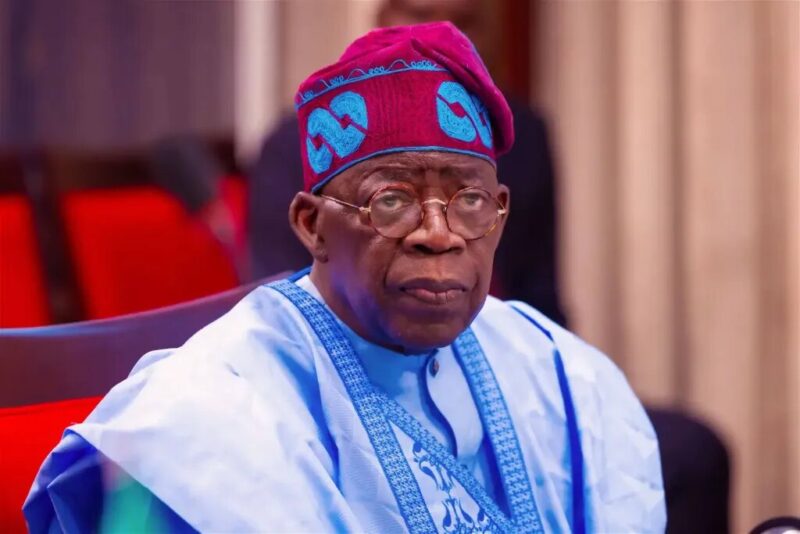
If the fight against corruption is to be taken seriously, President Bola Tinubu must match his public declarations with concrete action. He should ensure that anti-graft agencies investigate and prosecute any official found wanting, regardless of status or political ties. It is equally unfortunate that these agencies, along with security institutions, appear to wait for presidential directives before performing their statutory duties.

Nigeria has for decades been bedevilled by the cankerworm of corruption, largely driven by public office holders at both the state and national levels. The consequences are visible everywhere: failing infrastructure, poor public services, rising poverty, and deep public distrust in government. Corruption has not only slowed national development but has also weakened the moral fabric of governance.
Funds appropriated for education, healthcare, roads, security, and social welfare often end up in private bank accounts, while the intended beneficiaries are left stranded. Even more troubling is the fact that many of these diversions occur with little or no consequence for those responsible. The absence of consistent prosecution has emboldened corrupt officials and reinforced a dangerous culture of impunity.
Over the years, the Economic and Financial Crimes Commission (EFCC) and the Independent Corrupt Practices and Other Related Offences Commission (ICPC) have been on the trail of a limited number of these officials, yet with minimal success. While arrests and investigations are occasionally announced, convictions remain rare, prolonged, or completely abandoned. Meanwhile, the country continues to bleed economically and socially.
Numerous allegations have been reported against serving public officials over the years, some backed by clear evidence. Conventional media and social media platforms have at various times exposed documents, recordings, and financial trails implicating individuals in serious acts of corruption. Despite the public availability of such evidence, decisive action is often absent.
More concerning is the tendency of anti-graft agencies to overlook these allegations, particularly when the individuals involved are close to the powers that be. Selective enforcement has become a defining weakness in Nigeria’s anti-corruption fight. When political protection overrides justice, the credibility of institutions meant to safeguard public interest is severely undermined.
The most disturbing trend is the practice of forcing alleged corrupt officials to resign quietly, after which nothing is heard about their prosecution. This pattern has repeated itself over the years and continues to this day. Resignation has effectively become an escape route, allowing individuals to avoid accountability while retaining the proceeds of alleged crimes.
Nigeria has witnessed ministers and heads of ministries, departments, and agencies accused of corruption, forgery, and abuse of office stepping down without facing trial. Such outcomes send a wrong message to the public and to other officials still in office: that corruption carries little risk as long as one is politically connected.
If the fight against corruption is to be taken seriously, President Bola Tinubu must match his public declarations with concrete action. He should ensure that anti-graft agencies investigate and prosecute any official found wanting, regardless of status or political ties. It is equally unfortunate that these agencies, along with security institutions, appear to wait for presidential directives before performing their statutory duties.
The fight against corruption must not be selective or targeted solely at opposition figures. It must cut across all political divides and reach everyone involved in looting public resources. Nigeria cannot move forward while corruption thrives within government. The nation must be decisively purged of corrupt public officials if transparency, accountability, and genuine development are to be achieved.
Tochukwu Jimo Obi, a public affairs commentator writes from Obosi Anambra state