Education
Examination Malpractice Among Nigerian University Students: Causes, Consequences, and Solutions -By Ramatu Hussaini
Examination malpractice among Nigerian university students remains a serious threat to the quality and credibility of higher education. While multiple factors contribute to its persistence, the consequences are far-reaching, affecting individuals, institutions, and the nation as a whole. Combating this problem requires the combined efforts of universities, lecturers, students, parents, and policymakers. By promoting academic integrity, enforcing strict regulations, and addressing the root causes of malpractice, Nigerian universities can restore confidence in their examination systems and produce graduates who are both academically competent and morally sound.

Introduction
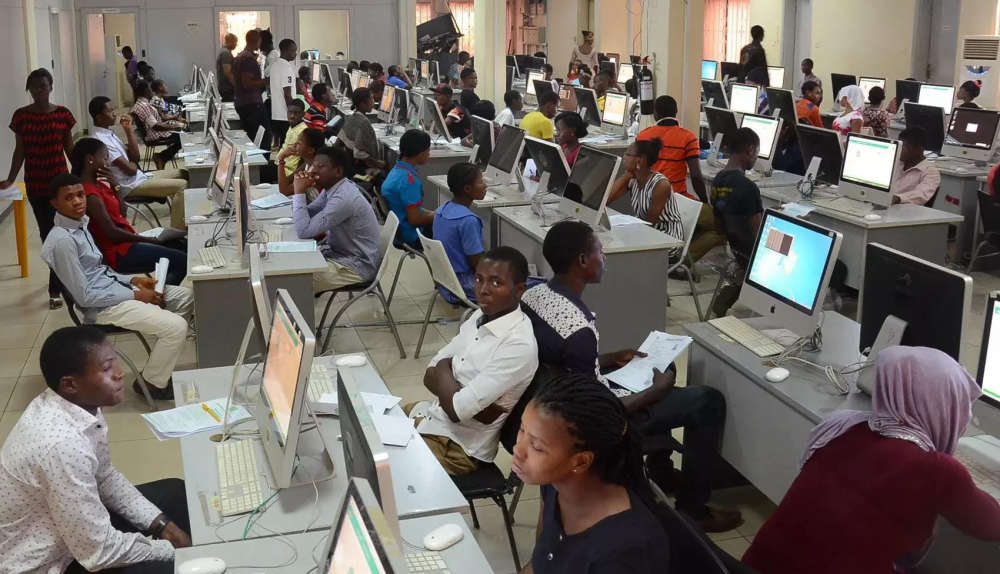
Examination malpractice has become a persistent challenge within the Nigerian educational system, particularly at the university level. Despite numerous policies, regulations, and awareness campaigns aimed at promoting academic integrity, cases of cheating during examinations continue to be reported across institutions. Examination malpractice not only undermines the credibility of academic qualifications but also threatens the moral and intellectual development of students. Addressing this issue is crucial for maintaining the integrity of higher education in Nigeria and for producing graduates who are competent, ethical, and prepared for national development.
Understanding Examination Malpractice
Examination malpractice refers to any illegal or unethical behavior carried out by students, invigilators, or other stakeholders before, during, or after examinations with the intention of gaining unfair advantage. Common forms of malpractice among Nigerian university students include copying from others, bringing unauthorized materials into examination halls, impersonation, collusion, leakage of examination questions, and the use of electronic devices such as mobile phones or smart gadgets.
Causes of Examination Malpractice Among University Students
Several interrelated factors contribute to the prevalence of examination malpractice in Nigerian universities:
1.Pressure to Succeed Academically
Many students face intense pressure to obtain high grades due to parental expectations, scholarship requirements, and the competitive nature of the job market. This pressure can push students to engage in unethical practices as a shortcut to success.
2.Poor Study Habits and Lack of Preparation
Inadequate preparation, procrastination, and poor time management often lead students to panic during examinations. As a result, some resort to malpractice as a coping mechanism.
3.Overemphasis on Certificates
Nigerian society places significant value on academic certificates rather than practical skills and competence. This overemphasis encourages students to focus on passing examinations by any means rather than genuinely acquiring knowledge.
4.Weak Enforcement of Examination Rules
In some institutions, examination regulations are not strictly enforced, and offenders may receive minimal punishment. This lack of deterrence emboldens students to continue engaging in malpractice.
Consequences of Examination Malpractice
The effects of examination malpractice extend beyond individual students and have serious implications for the educational system and society at large.
Academically, malpractice devalues university certificates and reduces the credibility of Nigerian graduates both locally and internationally. Graduates who succeed through dishonest means may lack the necessary knowledge and skills required in their professions, leading to poor job performance.
Socially and morally, examination malpractice encourages dishonesty, laziness, and corruption. These traits can be carried into workplaces and public institutions, contributing to broader societal challenges.
For students, involvement in examination malpractice can result in severe penalties, including suspension, expulsion, or permanent damage to their academic records. It can also negatively affect self-confidence and ethical development.
Strategies for Curbing Examination Malpractice
To effectively reduce examination malpractice among Nigerian university students, a comprehensive and collaborative approach is required:
1. Strengthening Academic Integrity Policies: Universities should enforce clear and strict examination rules, with consistent and fair penalties for offenders. Transparency in disciplinary processes is essential.
2. Improving Teaching and Assessment Methods: Lecturers can adopt continuous assessment, practical evaluations, and critical-thinking-based examinations that reduce opportunities for cheating.
3. Student Orientation and Ethical Education: Regular seminars and orientation programs should be organized to educate students on the importance of academic honesty and the long-term consequences of malpractice.
4. Use of Technology for Monitoring: The use of surveillance cameras, biometric verification, and plagiarism detection software can help deter and detect examination malpractice.
Conclusion
Examination malpractice among Nigerian university students remains a serious threat to the quality and credibility of higher education. While multiple factors contribute to its persistence, the consequences are far-reaching, affecting individuals, institutions, and the nation as a whole. Combating this problem requires the combined efforts of universities, lecturers, students, parents, and policymakers. By promoting academic integrity, enforcing strict regulations, and addressing the root causes of malpractice, Nigerian universities can restore confidence in their examination systems and produce graduates who are both academically competent and morally sound.