Breaking News
Focused on Regional Trade and Sanctions Impact
Cargo and tanker traffic through the Strait of Hormuz has fallen dramatically, with Iranian, Greek, and Chinese ships dominating. Most oil is headed to Asia, LNG rerouted, and over 40% of vessels are under US, EU, or UK sanctions.

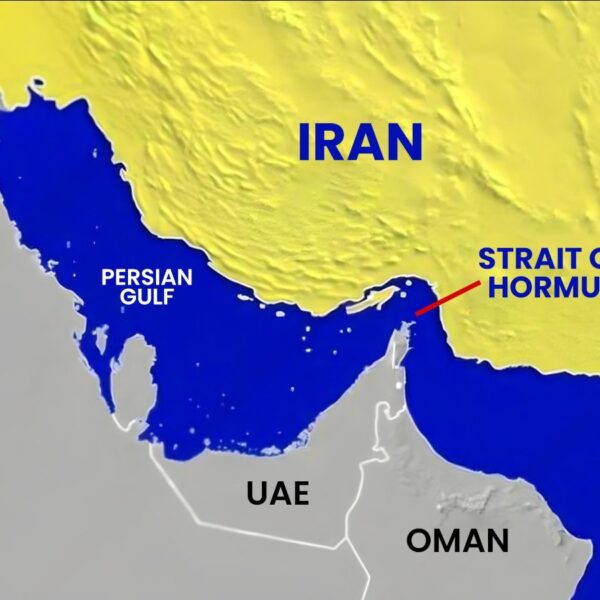
Strait of Hormuz Ship Traffic Plummets as Iran Tightens Control
Since the outbreak of war triggered by US-Israeli strikes on February 28, cargo and tanker movement through the Strait of Hormuz has sharply declined, with a few primarily Iranian vessels navigating the 167-kilometre waterway.
From March 1 to March 24, Kpler reported just 149 crossings — a 95% decrease from normal traffic. Oil and gas tankers accounted for 94 crossings, with the majority loaded and traveling east. Monday saw Iran-flagged Artman and Kiazand, along with sanctioned Lenore, transit the strait. The Jasmin sailed west to Iran from Karachi, while Chinese-owned Newvoyager passed after paying Iranian authorities.
“Political pragmatism has encouraged a small uptick in state-negotiated transits… over the past few days, but do not mistake this for a step change in the security situation,” Richard Meade, Lloyd’s List editor, said.
The so-called “Tehran Toll Booth” route around Larak Island has been used by over 20 ships, mostly Greek-owned, with some Indian, Pakistani, and Syrian. The Revolutionary Guard Corps monitors vessels and may charge passage fees.
Analyst Bridget Diakun noted that Iranian, Greek, and Chinese vessels dominate strait traffic. AFP analysis shows that 40% of transiting ships, and 57% of oil and gas tankers, are under Western sanctions.
Most oil and LNG cargoes now head to Asia, especially China, with Europe-bound LNG rerouted, according to MarineTraffic. JPMorgan analysts estimate Iran exports about 1.3 million barrels of oil per day through the strait, accounting for 98% of observed traffic, despite the waterway handling a fifth of the world’s oil and LNG in peacetime.
Africans Angle News