Africa
Fubara Suspension: The Legality of Unconstitutionality as a New Norms -By Ajiboye Amos Olakunle
This incident is not an isolated case. Last month, a senator was suspended for six months after speaking out against the Senate president over allegations of sexual harassment. The senator’s suspension was widely condemned as an attack on free speech and an attempt to silence dissent within the legislative arm of government. By punishing those who dare to speak truth to power, Nigeria’s political leaders are sending a dangerous message: criticism will not be tolerated, and those who challenge the status quo will face severe consequences.

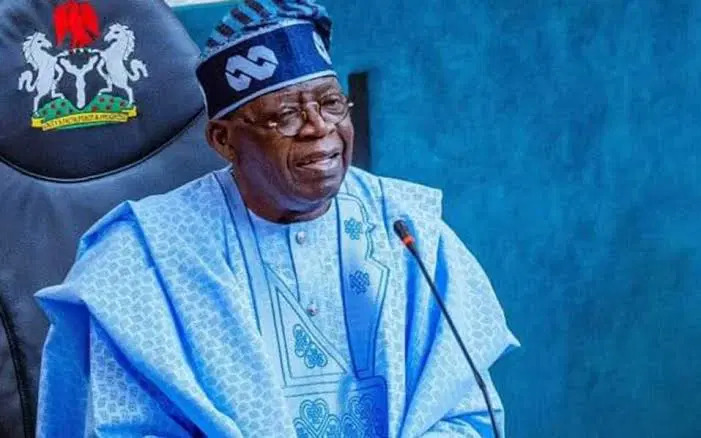
In recent weeks, Nigeria has been rocked by a series of events that have cast a dark shadow over its democracy, the rule of law, and the integrity of its political institutions. The suspension of a sitting governor for six months under the guise of a state of emergency, along with the unjust suspension of a senator last month, paints a troubling picture of a nation struggling with political manipulation, injustice, and a blatant disregard for democratic principles. These events, unfolding against the backdrop of a crumbling economy and worsening security situation, demand urgent attention and a collective call for accountability.
The Suspension of the Governor: A Political Witch Hunt?
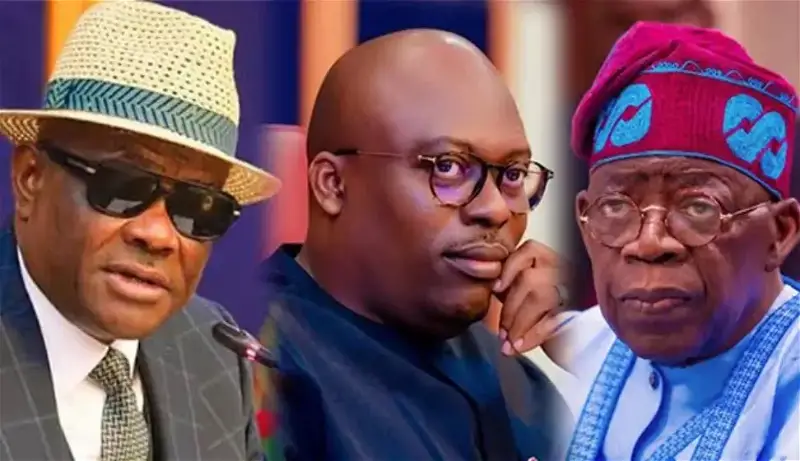
The recent declaration of a state of emergency in a Nigerian state and the subsequent suspension of its governor for six months have sparked outrage and accusations of political vendetta. According to reports, the governor had been embroiled in a bitter feud with the Minister of the Federal Capital Territory (FCT), who allegedly used his close ties with the president to orchestrate an impeachment attempt against the governor. While the government has cited alleged unrest in the state as the reason for the suspension, many Nigerians see this as a thinly veiled attempt to sideline a political opponent.

The timing of the suspension raises questions about the motives behind the decision. If the state was truly in a state of unrest, why was the governor not given the opportunity to address the situation? Why was the suspension announced suddenly, without prior warning or consultation with relevant stakeholders? These actions suggest a deliberate effort to undermine the governor’s authority and consolidate power at the federal level.
The Senator’s Unjust Suspension: Silencing Dissent
This incident is not an isolated case. Last month, a senator was suspended for six months after speaking out against the Senate president over allegations of sexual harassment. The senator’s suspension was widely condemned as an attack on free speech and an attempt to silence dissent within the legislative arm of government. By punishing those who dare to speak truth to power, Nigeria’s political leaders are sending a dangerous message: criticism will not be tolerated, and those who challenge the status quo will face severe consequences.
The suspension of the senator and the governor highlights a disturbing trend of using legislative and executive powers to target political opponents and suppress opposition. This undermines the very foundations of democracy, which thrives on open debate, accountability, and the protection of minority voices.
A Failing Economy and Insecurity: The Bigger Picture
While these political dramas unfold, ordinary Nigerians continue to suffer from a failing economy and escalating insecurity. The country’s inflation rate has soared to unprecedented levels, with the cost of food, fuel, and other essential commodities skyrocketing. Unemployment remains high, and the value of the naira continues to plummet, further exacerbating the economic hardship faced by millions of citizens.
At the same time, insecurity has reached alarming levels. From banditry and kidnappings in the northwest to insurgency in the northeast and secessionist agitations in the southeast, Nigeria is facing a multifaceted security crisis. The government’s inability to address these challenges has left many Nigerians feeling abandoned and disillusioned.
Against this backdrop, the suspension of elected officials and the silencing of dissent are not just political issues; they are a distraction from the urgent need to address the country’s pressing economic and security challenges. Instead of focusing on governance and delivering tangible results, Nigeria’s leaders appear to be more interested in consolidating power and settling political scores.
The Implications for Democracy and Justice
The suspension of the governor and the senator represents a dangerous erosion of democratic norms and the rule of law. In a true democracy, elected officials are accountable to the people who voted them into office, not to a select few in positions of power. By suspending these officials without due process, the government is setting a dangerous precedent that could have far-reaching consequences for Nigeria’s democracy.
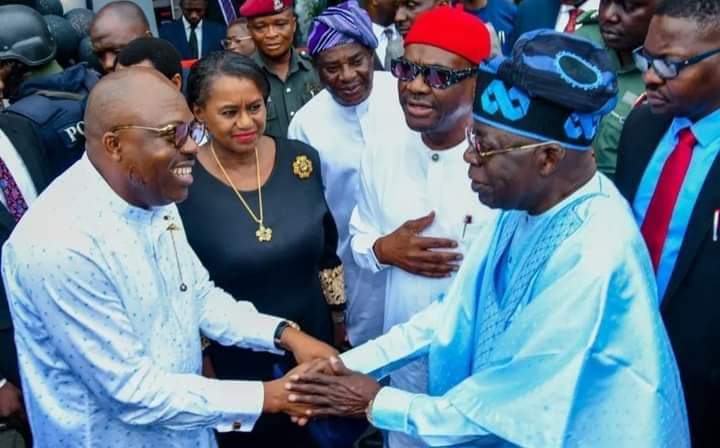
Sim Fubara and Tinubu
Moreover, these actions undermine public trust in political institutions. When citizens see their leaders using state machinery to target opponents and suppress dissent, they lose faith in the system. This erosion of trust can lead to widespread apathy, political instability, and even violence, further destabilizing an already fragile nation.
A Call for Accountability and Reform
Nigeria is at a crossroads. The current trajectory of political manipulation, injustice, and disregard for democratic principles is unsustainable. To restore faith in the system and address the country’s myriad challenges, the following steps are urgently needed:
• Respect for the Rule of Law: The government must uphold the rule of law and ensure that all actions are guided by the constitution. Elected officials should not be suspended or removed from office without due process and clear evidence of wrongdoing.
• Protection of Free Speech: The right to free speech and dissent must be protected. Political leaders should encourage open debate and constructive criticism, rather than punishing those who speak out against injustice.
• Focus on Governance: The government must prioritize addressing the country’s economic and security challenges. This requires a concerted effort to implement policies that promote economic growth, create jobs, and ensure the safety of all citizens.
• Accountability and Transparency: There must be greater accountability and transparency in government actions. Citizens have a right to know why decisions are made and how they will be affected.
• Strengthening Democratic Institutions: Nigeria’s democratic institutions, including the judiciary, legislature, and electoral bodies, must be strengthened to ensure they can operate independently and effectively.
Conclusion
The suspension of the governor and the senator is a stark reminder of the challenges facing Nigeria’s democracy. These actions, coupled with the country’s economic and security crises, highlight the urgent need for reform and accountability. Nigeria’s leaders must rise above petty politics and prioritize the well-being of the nation and its people. Only by upholding democratic principles, respecting the rule of law, and addressing the root causes of the country’s challenges can Nigeria hope to achieve lasting peace, stability, and prosperity. The time for action is now.

Continue Reading