
Breaking News
Global Supply Shocks from Iran War Push Drug Prices Up 30% in Nigeria
Nigeria’s pharmaceutical sector faces rising costs and shortages as the Iran war disrupts global supply chains and drives drug prices up by 30%.

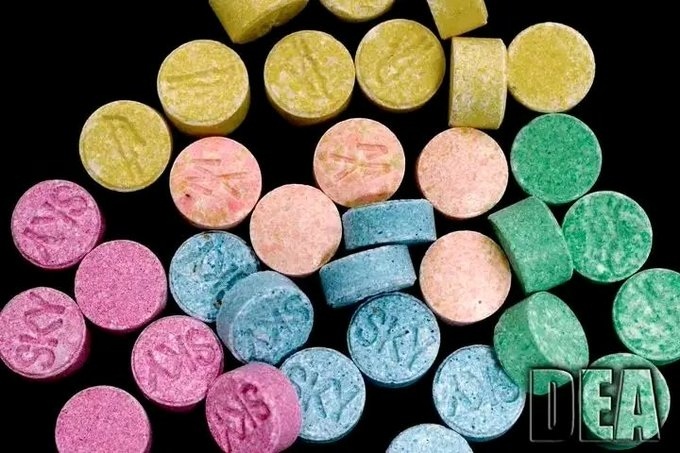
Nigeria’s pharmaceutical sector is facing mounting pressure as the ongoing Middle East conflict disrupts global supply chains, triggering rising drug prices and fears of shortages.
Experts say the crisis, driven by shipping disruptions and higher energy costs, is already impacting the availability and affordability of medicines across the country.
Key global institutions, including the African Union and the African Development Bank, have warned that prolonged conflict could slow Africa’s economic growth, largely due to trade and supply disruptions.
Nigeria’s heavy reliance on imported pharmaceutical inputs, particularly APIs from Asia, makes it especially vulnerable. The National Agency for Food and Drug Administration and Control has consistently highlighted the risks associated with this dependency.
Patrick Ajah of May & Baker Nigeria Plc said the impact is already being felt.
“It has already started affecting Nigeria,” he said, noting that supply disruptions from India have led to price increases and cancelled orders.
“The price of paracetamol APIs increased by about 28 per cent,” he added.
He explained that even indirect disruptions, such as reduced activity in the Strait of Hormuz, are slowing shipments globally.
“Once it is disrupted, everything is impacted,” Ajah said.
Rising energy costs are compounding the problem. “Diesel… is now about N1,800 per litre,” he noted, warning that manufacturers cannot continue to absorb the rising costs.
“If this continues, manufacturers will have no choice but to increase prices,” he said.
With over 80 per cent of inputs imported, local production remains constrained, limiting the sector’s ability to cushion the shock.
Stakeholders also warn that shortages could open the door to counterfeit medicines, posing additional risks to public health.
Calling for reforms, Ajah emphasised the need for government-backed investment in local manufacturing. “You cannot rely on commercial bank loans… the cost of capital is too high,” he said.
Meanwhile, Ayuba Tanko Ibrahim of the Pharmaceutical Society of Nigeria confirmed that drug prices have risen by up to 30 per cent, especially for imported medicines.
However, he noted that generics offer some relief: “Patients can choose from a range of medicines that suit their financial capacity.”
Ambrose Eze of the Association of Community Pharmacists of Nigeria also reported a similar increase in import costs and emerging shortages.
“We hope it does not escalate… quality assurance will not be compromised,” he said.
Lolu Ojo of Merit Healthcare Limited explained that the crisis is affecting businesses through multiple channels, including freight, insurance, fuel, and foreign exchange.
“In practical terms, this means higher landed costs… and greater difficulty in planning prices,” he said.
He warned that companies are increasingly unable to absorb these pressures. “Ultimately, the cost will be passed on,” he added.
While the situation remains manageable for now, experts caution that prolonged conflict could worsen supply constraints.
“The warning signs are clear,” stakeholders said, stressing the need for Nigeria to strengthen local production and reduce dependence on global supply chains.
Africans Angle News



















You must be logged in to post a comment Login