Africa
Hardship in Nigeria: How Rising Prices Are Reshaping Daily Life -By John Micah
As prices continue to rise, the hardship in Nigeria is no longer an abstract economic concept—it is a daily lived experience. How the nation responds to this challenge will determine not only economic recovery but also the well-being and future of its people.

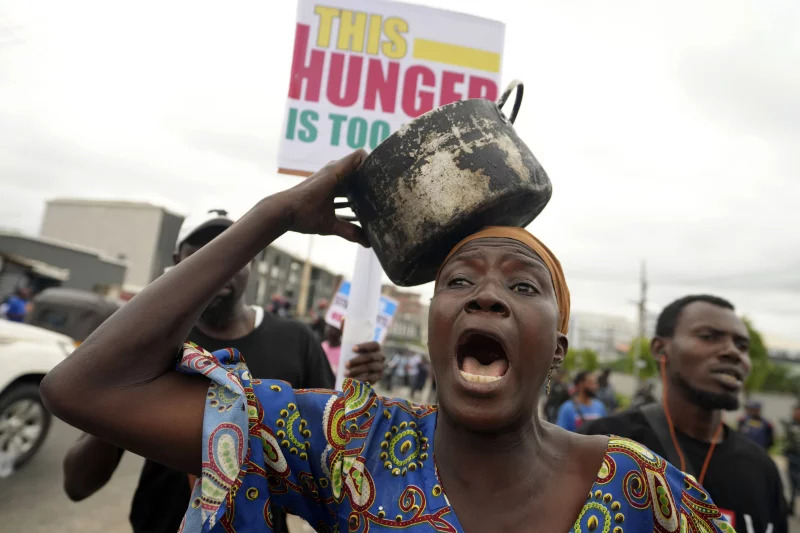
Nigeria is facing one of the most difficult economic periods in its recent history, as rising prices of basic goods and services continue to reshape the daily lives of millions of citizens. From food items to transportation, rent, healthcare, and education, the cost of living has soared, leaving many households struggling to survive.
Across markets in major cities and rural communities alike, prices of staple foods such as rice, garri, beans, cooking oil, and bread have more than doubled in some areas. For families that once managed three meals a day, eating twice—or even once—has become the new reality. Many parents now prioritize feeding their children, often sacrificing their own meals.
Transportation costs have also increased sharply following fuel subsidy removal and rising fuel prices. Commuters now spend a significant portion of their daily income just to get to work. As a result, some workers trek long distances, while others have reduced their movements altogether, affecting productivity and economic activity.
The hardship has deeply affected small businesses, which form the backbone of Nigeria’s economy. Traders complain of low patronage as customers buy less or turn to cheaper alternatives. Some small-scale enterprises have shut down entirely, unable to cope with high operating costs and declining profits. This has worsened unemployment, especially among youths.
Healthcare and education have not been spared. Hospital bills and medication costs are increasingly unaffordable, pushing many Nigerians toward self-medication or traditional remedies. In the education sector, rising school fees have forced some parents to withdraw their children from private schools, while others struggle to keep them enrolled at all.
Beyond the economic impact, the rising cost of living is taking a toll on mental health and social stability. Frustration, anxiety, and despair are becoming common as people feel trapped in a cycle of hardship. Experts warn that prolonged economic pressure could lead to increased crime and social unrest if urgent measures are not taken.
Despite the challenges, Nigerians continue to display remarkable resilience. Many households are diversifying income sources, engaging in small side businesses, farming, or learning new skills to survive. Community support systems and family networks have also become crucial lifelines.
However, resilience alone is not enough. There is a growing call for government intervention through effective economic policies, social welfare programs, job creation, and support for local production. Addressing inflation, stabilizing the currency, and easing the burden on ordinary citizens remain critical steps toward restoring hope.
As prices continue to rise, the hardship in Nigeria is no longer an abstract economic concept—it is a daily lived experience. How the nation responds to this challenge will determine not only economic recovery but also the well-being and future of its people.



![Gaza has been under heavy Israeli bombardment for weeks [File: Ohad Zwigenberg/AP]](https://www.africansangle.com/wp-content/uploads/2023/10/Gaza-has-been-under-heavy-Israeli-bombardment-for-weeks.jpg)