
Africa
Breaking Plateau’s Dangerous Cycle of Jungle Justice -By Usman Muhammad Salihu
Retaliation does not restore dignity. It does not bring back the dead. It only creates new victims, new grief, and new reasons for the next cycle of violence. If anger becomes policy and revenge becomes justice, the funerals will continue. But if law, accountability, and responsible leadership prevail, the cycle can be broken.

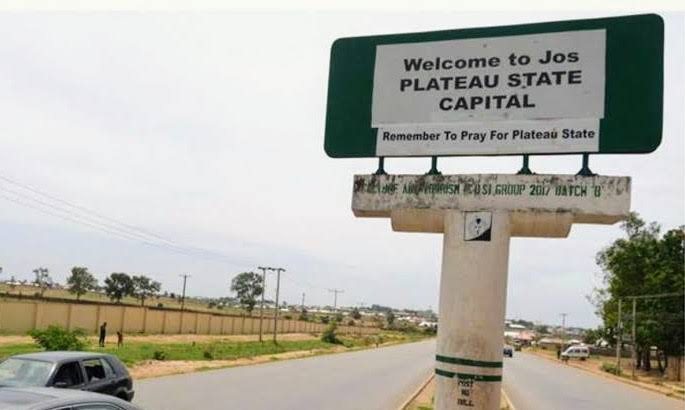
I watched in horror as news spread of yet another attack on travellers in Plateau State. Young men from Jos, simply trying to earn a living, were killed on their way to Pankshin in a reprisal following earlier killings in Dorowa Babuje. Families are mourning. Communities are tense. Anger is rising.
This is not the first time. Years ago, youths travelling for a wedding near Barkin Ladi were ambushed and killed. Retaliatory attacks followed, claiming even more lives, many of them innocent passersby. That period left deep scars on families and entire communities. It taught a painful lesson: revenge rarely reaches the original perpetrators; it only multiplies suffering.
Recently, along Nding Road, another tragedy unfolded. Young, hopeful traders were attacked. Even before the dust settled, calls for retaliation began echoing across the streets and social media. Roads were blocked. Vehicles were targeted. Innocent travellers were exposed to danger. We are dangerously close to repeating a cycle we already know too well.
Over the years, many travellers have been attacked along Plateau’s highways—routes that should symbolize commerce, connection, and coexistence. In too many cases, investigations fade quietly and justice remains unseen. When there are no visible consequences, anger festers. When justice appears absent, reprisal begins to look like an option. That is how cycles of violence sustain themselves. Jungle justice thrives where trust in formal institutions weakens and where communities feel unheard, unprotected, or unfairly treated.
The perception—rightly or wrongly—that perpetrators are shielded by ethnic, political, or religious affiliations fuels suspicion and collective blame. But collective punishment is neither lawful nor moral. It transforms victims into aggressors and bystanders into casualties. It erodes the moral authority of communities that claim to seek justice and undermines the rule of law that binds a plural society together.
Social media has further complicated the crisis. Unverified reports, inflammatory language, and emotional commentary spread faster than facts. Within minutes, outrage can mobilize crowds before security agencies even understand what happened. In such an atmosphere, rumor becomes fuel and anger becomes action. What begins as grief quickly mutates into organized retaliation, with highways turning into battlegrounds and innocent travellers paying the price for crimes they did not commit.
Plateau has buried too many sons whose only crime was being on the road at the wrong time. Too many promising lives have been cut short by anger that could have been contained. Traders, students, farmers, and artisans now travel with anxiety, unsure whether they will return home safely. A state blessed with cultural diversity and economic potential should not be defined by recurring roadside violence.
Leadership at this moment must rise above emotion. Words from influential figures—traditional rulers, political actors, youth leaders, clerics, and civil society voices—can either calm a fire or ignite one. Public calls for revenge place ordinary citizens in the crossfire, turning them into substitutes for unseen perpetrators.
Silence in the face of incitement is equally dangerous. Responsible leadership demands restraint, clarity, and an unwavering insistence on lawful redress.
Justice—not vengeance—is the only sustainable path forward. Security agencies must conduct thorough, impartial investigations into all recent attacks and ensure that those responsible are identified and prosecuted, regardless of ethnicity, religion, or social standing. Security presence must be strengthened along vulnerable highways and flashpoints, while rapid-response mechanisms should be improved to prevent escalation after incidents. Communication with the public must also be clear and consistent to rebuild trust and counter misinformation.
Government at both state and federal levels must demonstrate that accountability is neither selective nor symbolic. When arrests are made, the public should be informed. When prosecutions begin, they must be pursued diligently. When convictions occur, they should reflect the gravity of the offence. Justice must not only be done; it must be seen to be done. Beyond enforcement, preventive strategies such as community-based early warning systems, interfaith dialogue platforms, youth engagement programmes, and civic education campaigns are essential to reduce vulnerability to mobilization for violence.
Retaliation does not restore dignity. It does not bring back the dead. It only creates new victims, new grief, and new reasons for the next cycle of violence. If anger becomes policy and revenge becomes justice, the funerals will continue. But if law, accountability, and responsible leadership prevail, the cycle can be broken.
Plateau deserves better. Travellers should not fear the roads. Traders should not fear earning a living. Communities should not live on the edge of retaliation. If we truly want this violence to end, then justice must speak louder than anger. Anything less will only prepare the ground for the next funeral.
Usman Muhammad Salihu is a PRNigeria Fellow and writes from Jos via: muhammadu5363@gmail.com


























You must be logged in to post a comment Login