Opinion
How Kamala Harris and Josh Shapiro Reflect the African Diaspora’s Heritage and Vision for an Inclusive America, by John Egbeazien Oshodi

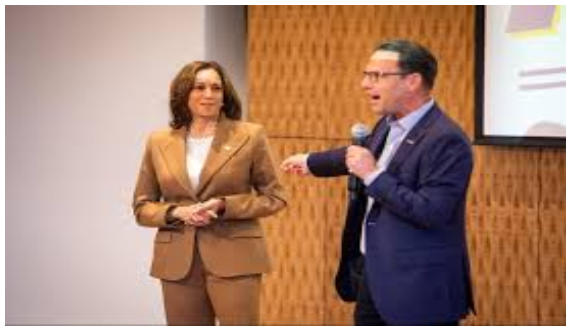
Celebrating Unity in Diversity: The African Diaspora’s Cultural Heritage and Aspirations for Equality Embodied by Kamala Harris and Josh Shapiro’s Vision for a Truly Inclusive and Equitable America
As the nation approaches the November presidential elections, the African diaspora in America finds itself reflecting on the leaders who embody the values and stories that resonate with their collective heritage. At this historic moment, the deep connections between the diaspora’s rich traditions and the diverse backgrounds of Vice President Kamala Harris and Governor Josh Shapiro of Pennsylvania come into sharp relief. These connections are woven from the threads of shared experiences, cultural resilience, and the enduring pursuit of justice.
As a psychologist, writing here only on a personal and non-professional level, I am struck by the profound cultural and psychological insights that align Shapiro’s attributes with the values and dreams of a multicultural and global electorate. Their distinctive style and approach, rooted in empathy, authenticity, and a commitment to social justice, make Harris and Governor Shapiro not just leaders but torchbearers for the African diaspora’s aspirations. Their candidacy deserves the unwavering support of the African diaspora in the USA, with Shapiro emerging as a compelling and inspiring choice for a potential vice-presidential candidate.
Vice President Kamala Harris stands as a symbol of the diaspora’s global reach and diversity. Her roots in Jamaica and India reflect a rich tapestry of cultures and traditions that have been shaped by the historical currents of slavery, colonization, and migration. The Jamaican culture, with its deep connections to African heritage, has fostered a strong sense of identity and resilience among its people. This resilience is mirrored in the African diaspora’s experience in America, where cultural expressions, such as music, food, and spirituality, have served as vital sources of strength and community cohesion.
Harris’s South Asian heritage adds another layer of complexity and richness to her identity. The South Asian community, much like the African diaspora, has a history marked by struggle, resistance, and the pursuit of equality. The blending of these cultural influences in Harris’s life symbolizes the broader experience of the African diaspora, which has continuously adapted and integrated various cultural elements to forge a unique and dynamic identity.
Governor Josh Shapiro’s Jewish background brings a narrative of resilience and the relentless pursuit of justice, themes that deeply resonate with the African diaspora. The Jewish experience in America and globally has been shaped by a history of persecution, resilience, and a strong commitment to social justice. This narrative aligns closely with the African diaspora’s own struggles against systemic oppression and discrimination.
Jewish traditions, such as the emphasis on community, education, and social justice, find parallels in the African diaspora’s emphasis on communal support, oral traditions, and a deep-rooted sense of justice. Shapiro’s leadership, characterized by a commitment to equity and empathy, reflects these shared values and highlights the commonalities between these two distinct cultural backgrounds.
The convergence of Harris’s and Shapiro’s backgrounds creates a powerful narrative of solidarity and shared purpose. Both leaders embody a deep understanding of the complexities of identity and the importance of embracing diversity. Their personal stories and professional trajectories reflect a commitment to justice, inclusion, and the empowerment of marginalized communities.
As the African diaspora contemplates the future leadership of the country, the cultural connections with Harris and Shapiro offer a unique opportunity to reflect on the values that unite us. The African diaspora’s traditions of resilience, adaptation, and community-building resonate with the experiences of Harris and Shapiro. Their potential partnership symbolizes a broader vision of an inclusive America, where diverse cultural narratives are celebrated and woven into the fabric of the nation’s identity.
The African diaspora in America has long been a beacon of resilience and adaptation, continually integrating diverse cultural influences to create a vibrant and dynamic community. This spirit of integration is reflected in the candidacies of Harris and Shapiro, who embody the potential for a more inclusive and equitable society. Their leadership represents a commitment to recognizing and uplifting the contributions of all cultural backgrounds, fostering a society where diversity is not only acknowledged but celebrated.
In supporting Kamala Harris and Josh Shapiro, the African diaspora is not merely endorsing political leaders; they are embracing a vision of America that honors the richness of diverse cultural traditions. Harris, with her Jamaican and South Asian roots, and Shapiro, with his Jewish heritage, embody the multifaceted nature of the American experience. Their stories are a testament to the power of cultural diversity and the shared quest for justice and equality.
As we move towards the elections, the African diaspora has the opportunity to champion a future where all cultural backgrounds are valued, and every community’s contributions are recognized. Harris and Shapiro’s candidacy offers a beacon of hope for an America that is truly inclusive and just, reflecting the diverse tapestry of its people and honoring the deep connections that bind us all.
In this pivotal moment, the African diaspora’s support for Harris and Shapiro is a declaration of solidarity with all those who have fought and continue to fight for a world where the promise of liberty and equality is fulfilled for all. It is a vote not just for individuals, but for the ideals of justice, inclusion, and the enduring spirit of the diaspora that these leaders so powerfully embody. As we cast our votes, let us be guided by the wisdom of our ancestors, the courage that defines our present, and the boundless hope that illuminates our future. Let us choose leaders who not only articulate our struggles but also journey with us on the path to progress, leaders who understand that the road to a better tomorrow is paved with empathy, justice, and unwavering commitment.
In closing, the candidacy of Kamala Harris and Josh Shapiro stands as a pivotal moment for the African diaspora in America. It is a clarion call to action, beckoning us to engage in the democratic process with a renewed sense of purpose and an unwavering faith in the strength of our collective voice. As we stand on the cusp of a new chapter in American history, let us seize the opportunity to forge a future that mirrors our values, pays homage to our heritage, and fulfills the promise of a nation built on the bedrock of liberty and justice for all.
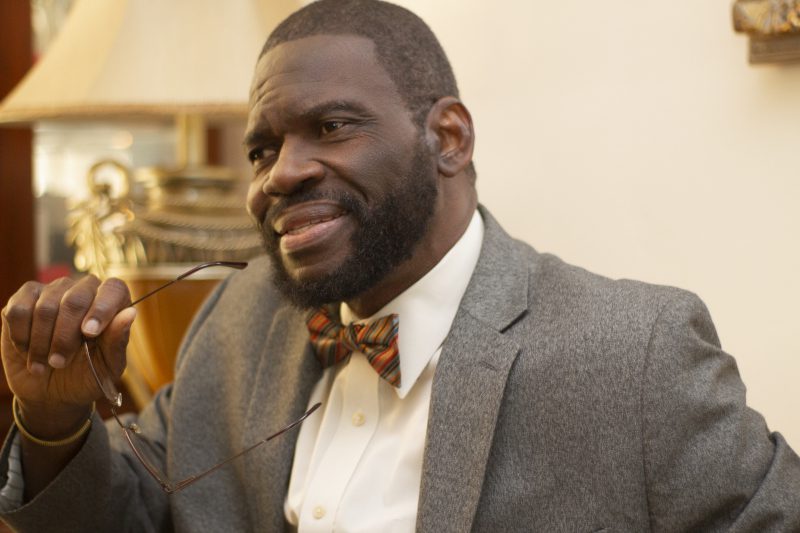
Professor John Egbeazien Oshodi, born in Uromi, Edo State, Nigeria, is an American-based police and prison scientist, forensic psychologist, public policy psychologist, and legal psychologist. He’s a government advisor on forensic-clinical psychological services in the USA and the founder of the Dr. John Egbeazien Oshodi Foundation for Psychological Health. With a significant role in introducing forensic psychology to Nigeria through N.U.C. and Nasarawa State University, he’s also a former Secretary-General of the Nigeria Psychological Association. He’s taught at esteemed institutions like Florida Memorial University, Florida International University, Nova Southeastern University, and more, and is currently an online faculty member at Weldios University, Nexus International University, and Walden University.