Africa
If Nigerians Are Suffering This Bad Under Tinubu’s First Year, What Hope Remains For The Next Three?, by Isaac Asabor

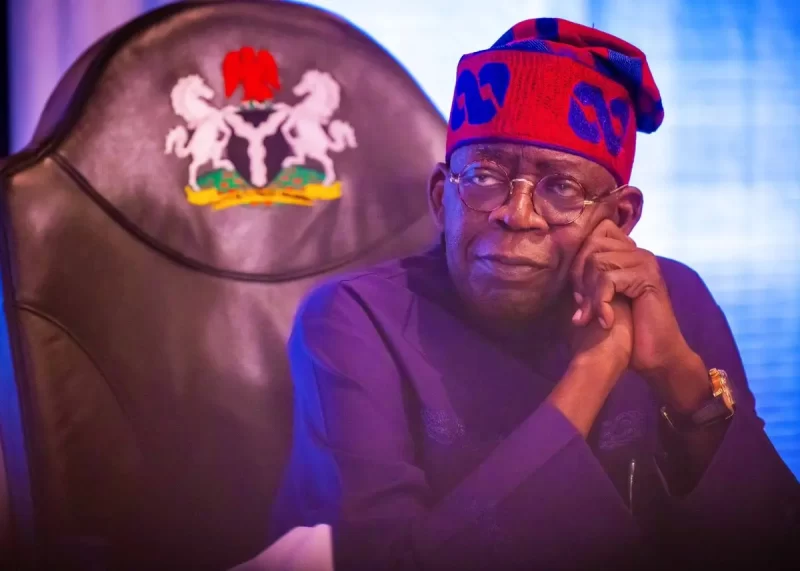
As Nigeria’s economy continues to falter, with inflation rising, fuel subsidies removed, and the naira struggling, many citizens are left asking: “If this is what we are experiencing in just under a year, what will the next three years hold for us under President Bola Tinubu’s administration?”
The reason for the foregoing question cannot be farfetched as the last few months have been anything but easy for Nigerians. The pain is palpable, from soaring food prices to an unrelenting fuel crisis and a general cost-of-living increase that shows no signs of slowing. After the initial optimism that greeted Tinubu’s government, largely stemming from his campaign promises to create jobs, stabilize the economy, and bring back investor confidence, reality has set in, and it is not pretty.
Against the foregoing backdrop, it will be recalled that when Tinubu was campaigning ahead of the election that ushered him to office that he vowed to turn things around. His slogan, “Renewed Hope”, resonated with voters eager for a leader who would tackle the problems that have plagued the nation for years. Yet, within the first year of his tenure, since he took office on May 29, 2023, Nigerians are left asking whether the “hope” is being renewed or extinguished.
Without a doubt, the removal of the fuel subsidy, though economically logical in the long term, has sent shockwaves through the economy, causing a ripple effect in transportation, food prices, and general goods. While government officials argue that this move was necessary to plug the leak of billions of Naira in subsidies, the reality on the streets is dire. Citizens are yet to feel the benefits promised to accompany this policy change, even as trust in the government is rapidly waning.
Another point of concern is the government’s reliance on loans from international organizations like the World Bank and bilateral agreements with countries like China. These loans, although meant to fund critical infrastructure and economic growth projects, have done little to alleviate the immediate suffering of the common man.
As recently gathered, Nigeria is the leading debtor to the World Bank’s International Development Association (IDA) in Africa and ranks third globally, as per the Bank’s financial statement. By June 30, 2024, Nigeria’s debt to the IDA had risen by 14.4%, from $14.3 billion in FY2023 to $16.5 billion in FY2024.
The question Nigerians are increasingly asking is whether these debts will ever translate into tangible benefits or whether they will simply burden the nation for decades to come. Many fear that the next three years will see a government saddled with debt while citizens remain trapped in a cycle of poverty.
In an attempt to cushion the economic blow, the government rolled out palliatives such as cash transfers and food distribution. However, these efforts have been criticized as too little, too late, with many citizens questioning whether the aid is reaching the right people. In some regions, complaints abound that these palliatives are being distributed along party lines or are inaccessible to the poorest that need them most.
As a Nigerian who is worried over the deplorable situation, just as not a few Nigerians are also worried, the assumption remains that if Tinubu’s government cannot find a more effective way to provide relief to those struggling to survive; the remaining three years will be marked by increasing dissatisfaction and growing poverty.
In fact, Tinubu’s administration still has time to course-correct. This is as economic reforms, if implemented effectively, could stabilize the economy and provide relief. However, reforms require time to yield results, and time is not something the average Nigerian can afford.
Not only that, investments in local production, agriculture, and infrastructure development is touted as potential game-changers. But as Nigeria’s history has shown, the success of such programs hinges on political will, transparency, and eliminating corruption. Without these, any reform is destined to fall short of expectations.
With three more years ahead, it is critical for the government to shift focus from policies that disproportionately affect the vulnerable to ones that promote inclusive economic growth. Strengthening social safety nets, ensuring fair distribution of resources, and cracking down on corruption will be essential for instilling hope.
But the question lingers: “If the first year under Tinubu has seen this level of economic hardship, what can Nigerians realistically expect in the years to come?”
The government may still have time to redeem itself, but it will take decisive action, accountability, and a genuine focus on the welfare of the people. Otherwise, the next three years could feel like a lifetime of economic struggle for millions of Nigerians.
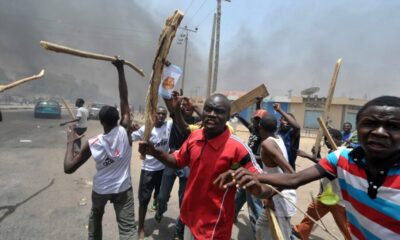
At this juncture, it is germane to opine that bemoaning Tinubu’s performance in this context, particularly given the fact that his government is still under a year, may have seemed premature in normal circumstances, but the reality on the ground speaks volumes about the level of hardship Nigerians are enduring. The recent petrol price hike by the Nigerian National Petroleum Company Limited (NNPCL) has added fuel to an already raging fire of economic difficulties. This is as many households are grappling with skyrocketing transportation costs, higher food prices, and overall increased living expenses, leaving little room for patience or optimism. It is no surprise that the public is frustrated, as daily survival has become a pressing concern for most.
The petrol price hike, which has become a recurring feature of Tinubu’s administration, has only compounded the pain. With each increase, the ripple effects are felt across various sectors of the economy, hitting the most vulnerable citizens the hardest. Public transportation fares have risen dramatically, and essential commodities have become even more expensive.
For the average Nigerian who was already struggling to make ends meet, this latest increase is seen as a crushing blow, amplifying the sense of helplessness and desperation in communities nationwide.
While economic reforms often take time to yield positive results, the pace at which these hardships are unfolding is leaving little room for hope. Many Nigerians believe that the government’s promises of long-term relief and economic stability are not enough to justify the current suffering. Tinubu’s administration faces mounting pressure to address these immediate concerns and provide tangible solutions before the frustration boils over into widespread unrest.