Forgotten Dairies
Inadvisability Of Squandering Oil Windfall Resulting From 2026 US/Israel-Iran Crisis -By Isaac Asabor
The unfolding geopolitical crisis may once again deliver extraordinary revenue to Nigeria. But whether that revenue becomes a blessing or another squandered opportunity will depend entirely on how it is managed.

History has a stubborn way of repeating itself, especially when its lessons are ignored. For Nigeria, the history of oil wealth is also a history of missed opportunities. From the moment crude oil was discovered in commercial quantities in Oloibiri in 1956, the country has experienced several moments of extraordinary revenue windfalls. Yet each time, the promise of prosperity has too often dissolved into a story of waste, corruption, and poor planning.
Today, Nigeria once again finds itself at the threshold of another oil windfall, this time triggered by the escalating 2026 geopolitical confrontation involving the United States, Israel, and Iran.
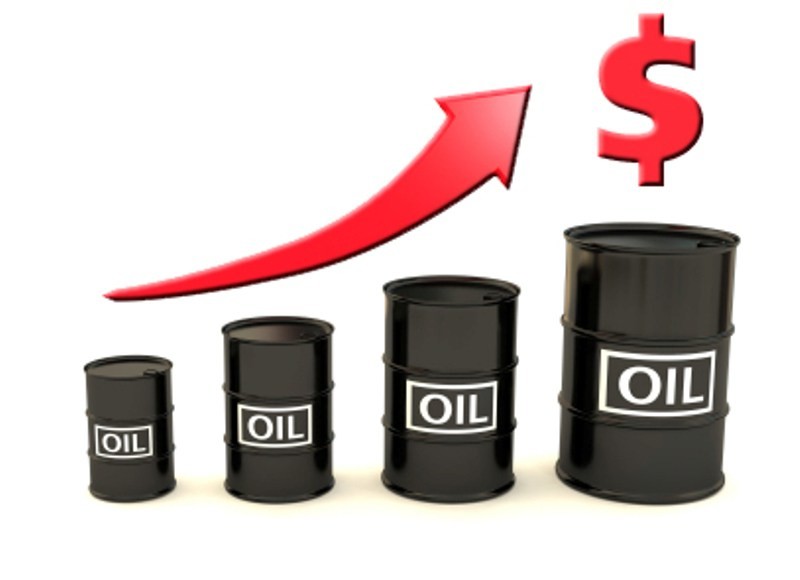
The global energy market reacts quickly to instability in the Middle East, particularly when tensions threaten the Strait of Hormuz, one of the most strategic oil shipping routes in the world. The ongoing conflict has triggered a sharp surge in crude oil prices, pushing Brent crude far above Nigeria’s 2026 budget benchmark of $64.85 per barrel.
In fact, prices have climbed rapidly from below $70 per barrel toward $120 per barrel, with projections that they could even rise higher if the crisis persists. For an oil-exporting country like Nigeria, this dramatic price surge translates into potentially enormous additional revenue.
Estimates indicate that Nigeria could earn between ₦2.3 trillion and as much as ₦30 trillion in windfall revenue, depending on how long elevated prices persist and whether crude averages around $130 per barrel for up to six months.
This situation has been highlighted by the Nigerian Economic Summit Group (NESG), which noted that the crisis could significantly increase Nigeria’s foreign exchange earnings because crude oil exports remain the country’s dominant source of revenue.
However, the windfall is not without complications. The rise in global crude prices has already triggered a surge in domestic petrol prices. Because Nigeria’s downstream petroleum market is now tied closely to international pricing dynamics, increases in crude prices directly affect local fuel costs. Gantry prices for petrol have reportedly jumped from “under ₦800 per litre to over ₦1,175 per litre”, placing additional pressure on households and businesses already struggling with inflation.
In other words, while the conflict may boost government revenue, it simultaneously raises the cost of living for ordinary Nigerians. Such contradictions are not new in Nigeria’s oil history.
The country experienced its first major oil windfall during the 1973–1974 global oil crisis, when geopolitical tensions in the Middle East caused crude oil prices to jump from roughly $3 per barrel to about $12 per barrel. For Nigeria, this sudden increase generated unprecedented revenue. Government income surged dramatically, and the nation suddenly found itself awash with petrodollars.
It was during that era that the then Head of State, General Yakubu Gowon, famously declared that Nigeria’s problem was “not money, but how to spend it.”
Unfortunately, that statement became symbolic of the wasteful spending that followed. Instead of channeling the oil boom into long-term investments such as industrialization, infrastructure development, and economic diversification, government spending expanded rapidly, bureaucracy grew, and dependence on oil deepened.
The opportunity to transform Nigeria into a truly diversified economy was largely squandered.
Another notable windfall came during the 1990–1991 Gulf War, when disruptions in Middle Eastern oil supply caused prices to surge again. Nigeria reportedly earned an additional $12 billion or more in oil revenue during that period. Yet the management of those funds later became the subject of controversy and investigations, reinforcing the perception that another rare opportunity had been lost.
In the 2000s, the country again benefited from a global commodities boom that pushed oil prices above $100 per barrel, but the structural weaknesses of the economy remained largely unchanged.
These repeated cycles of windfall and waste have left Nigeria vulnerable today, despite decades of enormous petroleum earnings.
The current price surge triggered by the 2026 U.S./Israel-Iran crisis therefore presents a critical test of leadership and fiscal responsibility.
If Nigeria repeats its past behavior, treating the windfall as a temporary bonanza for expanded government consumption, political patronage, and unsustainable spending, then the outcome will be painfully predictable. The country will once again emerge from the boom with little to show for it. But this moment could also become a turning point.
Additional oil revenue should be directed toward strategic investments that can permanently strengthen the Nigerian economy: stable electricity generation, modern rail and transport infrastructure, large-scale agricultural development, technological innovation, and human capital development.
Equally important is transparency and fiscal discipline. Windfall revenues must be carefully accounted for and insulated from political misuse. Strengthening sovereign savings mechanisms and stabilization funds would help cushion the economy against future oil price shocks.
The paradox of Nigeria’s oil wealth is that the country has earned vast sums over the decades, yet many citizens still face poor infrastructure, limited industrial growth, and persistent economic hardship.
The unfolding geopolitical crisis may once again deliver extraordinary revenue to Nigeria. But whether that revenue becomes a blessing or another squandered opportunity will depend entirely on how it is managed.
Nigeria cannot afford to repeat the mistakes that followed every previous oil boom.
Squandering yet another windfall would not merely be an economic failure, it would be a historic betrayal of future generations.