Forgotten Dairies
Between Rent and Reptiles: Lagos’ Housing Tragedy -By Patrick Iwelunmor
Housing is not merely a commodity; it is the foundation of stability, safety, and human dignity. When families are forced into swamps, compelled to coexist with rodents, snakes, and crocodiles, the city has failed them. Lagos stands at a crossroads between ambition and neglect. If it wishes to remain a city worthy of its promise, it must confront this tragedy with urgency, planning, and compassion. Human life and dignity cannot be optional in the architecture of the megacity.

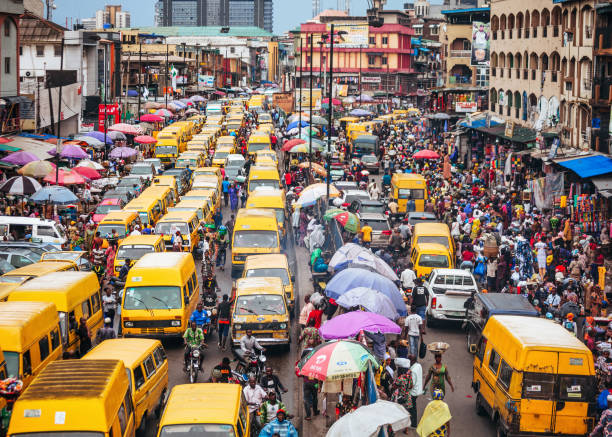
Cities reveal their conscience in the way they house their people. In the world’s great urban centres, shelter is more than cement and iron; it is the quiet assurance that human dignity has a place to rest. But in Lagos, that restless megacity of ambition, migration, and unrelenting expansion, the search for shelter has become a desperate odyssey. What should be a basic right has turned into a perilous struggle that pushes thousands of residents toward the city’s fringes, where land dissolves into wetlands, and human habitation becomes a constant negotiation with uncertainty and danger. Lagos’ housing crisis is no longer merely an economic story about rent and supply; it is a moral, social, and ecological challenge. It is a struggle between humans and the wild, between necessity and neglect.
At the heart of this crisis is a housing market that punishes ordinary citizens. According to the most recent State of Lagos Housing Market Report, the city faces a housing deficit of about 3.4 million units, a 15 percent increase over the past decade, even as formal housing supply has risen in absolute terms. This deficit reflects a widening gap between the number of homes available and the demand from an urban population that continues to grow faster than infrastructure can keep pace. More than 70 percent of Lagos residents remain renters, and many spend between 40 percent and 60 percent of their income on rent. This rent burden is highest in desirable neighbourhoods, whose soaring prices reflect speculative investment as much as genuine housing need. Meanwhile, an estimated 600,000 new residents arrive in Lagos each year, driving demand for both rental and ownership options that the formal market cannot supply fast enough.
Families who earn modest wages struggle to survive the compounded burden of rent and daily living. Limited access to housing finance, high construction costs, and rapid rural-urban migration further exacerbate the problem. Luxury towers rise in Ikoyi, Victoria Island, and Lekki, signalling modernity and global aspirations. At the same time, artisans, civil servants, traders, and young professionals find themselves increasingly priced out of established neighbourhoods and forced to look elsewhere for land to call their own.
For many, this means retreating into marginal territories: swampy wetlands, coastal floodplains, and reclaimed lagoons that were never intended to sustain human settlements. Over 60 percent of Lagos residents live in informal settlements, according to housing market surveys, underscoring how widespread the phenomenon has become. These figures capture the scale of displacement, but they obscure the human cost: the daily negotiation with unstable ground, stagnant water, and wildlife that have long inhabited these lands.
Layered on top of economic pressure is a subtler yet corrosive force: discrimination in the housing market based on ethnic identity. Many landlords openly prefer tenants of their own background and reject others, creating a selective rentage system that forces entire communities to migrate in search of acceptance. For affected residents, the search for shelter becomes not just a matter of affordability but of identity, where one’s ethnic background can determine whether a door opens or closes, pushing families into riskier, environmentally fragile zones simply to find a place to live.
It is in this context that the wetlands of Ikotun, Abaranje, Ijegun, and Ijagemo have become both a refuge and a risk. These are lands once considered too fragile or dangerous for habitation, yet they have been parcelled and sold by speculators to desperate buyers seeking an escape from exploitative landlords and sky high rents. The people who arrive in these settlements do not come seeking adventure or novelty. They come because the city has made ordinary survival unaffordable. They build their houses on fragile earth, often improvising foundations, digging shallow drains, and creating communities that stand on hope more than on solid ground.
The consequences of living on wetlands are immediate and unsettling. Residents find themselves sharing their space with rodents that scurry through compounds, snakes that slip silently through vegetation, and in some coastal areas, crocodiles that emerge from lagoons at the edge of homes. These encounters are not urban legend. They are daily realities. Children wake to the distant hiss of a python. Parents check drains and undergrowth before allowing toddlers to step outside. Every storm or rainfall transforms narrow paths into pools of stagnant water where disease spreads easily. Mosquitoes breed without restraint. Contaminated water sources carry typhoid, cholera, and other water borne illnesses. Families pay for shelter with anxiety, vulnerability, and constant vigilance.
These residents are ordinary Lagosians. They are mothers who rise before dawn to sell bread and akara in the local markets, teachers who take buses across the city to earn modest salaries, artisans who mend and craft to feed their families, young graduates trying to live within the meagre limits of their first jobs. They do not choose wetlands out of recklessness. They choose them because the city has pushed them there. The exploitation in the rental market leaves them no option. They buy plots where they can, hoping that their improvised homes will offer safety, dignity, and a chance at stability.
Meanwhile, the environmental stakes grow higher. Lagos’ wetlands once acted as natural buffers for floods, water filtration systems, and habitats for biodiversity, but rapid urbanisation and land reclamation have dramatically reduced their extent, contributing to more severe flooding in low lying communities during the rainy season. Filling them with sand and concrete destroys their protective capacity and invites disaster. The encroachment of settlements into these areas transforms hazards into lived realities. Floods batter fragile homes. Wildlife, displaced or encountering humans for the first time, becomes a source of fear rather than wonder. Rodents, snakes, and crocodiles are not merely inconvenient; they are the most visible signs of a city that has failed to plan for those who sustain it with their labour and ingenuity.
The crisis in Lagos is compounded by the city’s simultaneous real estate boom. Luxury estates continue to rise along high end corridors, accessible only to the wealthy. The gap between aspiration and survival widens. Ordinary residents are caught between the twin pressures of rent escalation, ethnic discrimination, and environmental vulnerability. At the edges of Ikotun, Abaranje, Ijegun, and Ijagemo, they build homes that are at once precarious and permanent, improvising security in a landscape that offers none. They live with constant uncertainty, balancing work, school, family, and the quiet knowledge that the ground beneath them could shift, flood, or harbour dangerous creatures.
The responsibility for addressing this crisis lies squarely with the authorities, particularly the Lagos State Government. Enforcement is urgently required to prevent the illegal sale of wetlands. The rental market must be regulated to prevent landlords from exploiting scarcity to the detriment of citizens. Affordable housing must move from promise to reality, designed specifically for low and middle income earners who cannot survive in the speculative corridors of the city. Urban planning must integrate environmental wisdom with human need. Wetlands must be preserved even as the city expands. In addition, data driven interventions, public private partnerships, and incentives for developers to construct affordable units can help reduce both displacement and environmental encroachment.
Housing is not merely a commodity; it is the foundation of stability, safety, and human dignity. When families are forced into swamps, compelled to coexist with rodents, snakes, and crocodiles, the city has failed them. Lagos stands at a crossroads between ambition and neglect. If it wishes to remain a city worthy of its promise, it must confront this tragedy with urgency, planning, and compassion. Human life and dignity cannot be optional in the architecture of the megacity.