Forgotten Dairies
2027 and Threats To Opposition In Nigeria -By Tochukwu Jimo Obi
As Nigeria gradually approaches the 2027 elections, it is imperative that the political playing field remains open and fair to all participants. Every political party, regardless of size or popularity, must be allowed to campaign freely, mobilize supporters, and present its ideas to the electorate without fear of intimidation. The strength of Nigeria’s democracy will ultimately be measured by how well it protects the rights of both the majority and the minority.

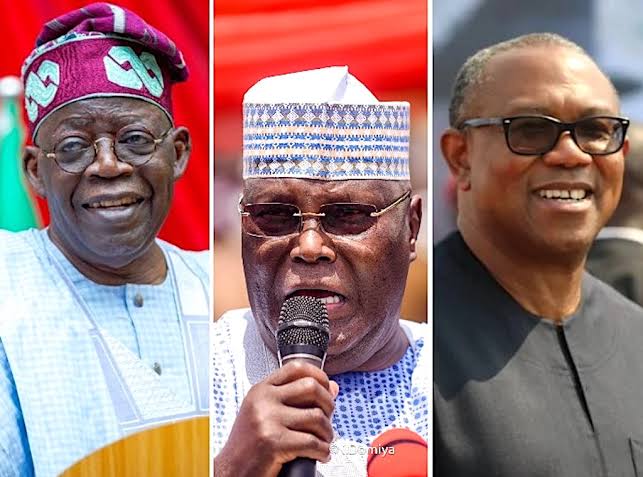
As political activities begin to gather momentum ahead of Nigeria’s 2027 general elections, troubling signs of intolerance toward opposition voices are beginning to emerge across the country. In a democracy as diverse and politically vibrant as Nigeria, the early signals of hostility toward opposition parties should concern not only political actors but every citizen who values democratic governance. Elections are not merely contests for power; they are tests of a nation’s commitment to fairness, participation, and freedom of expression.
Recent incidents involving attacks and harassment of members of opposition parties, particularly the African Democratic Congress (ADC) in states such as Edo, Cross River, and the fracas in Oyo state PDP congress have raised serious questions about the political climate in the country. Reports of disrupted meetings, intimidation, and violent confrontations paint a worrying picture of an environment where political competition risks being replaced by political suppression. If these trends continue unchecked, they could undermine the credibility of the democratic process long before ballots are cast.
Nigeria’s democracy has endured decades of struggle to reach its current stage. The right to political participation, peaceful assembly, and freedom of association are pillars upon which the nation’s democratic system rests. When opposition parties cannot organize meetings, hold rallies, or engage voters without fear of attack or intimidation, democracy itself becomes weakened. A healthy political system requires competition, dissent, and the ability for alternative voices to be heard.
President Bola Ahmed Tinubu recently reaffirmed his commitment to democratic principles while hosting members of the opposition at the Presidential Villa. His statement that he remains a true democrat was welcomed by many observers who hope that the administration will safeguard the political freedoms guaranteed by the constitution. Such assurances from the highest office in the country are important in setting the tone for the conduct of political actors nationwide.
However, the reality on the ground in some states appears to tell a different story. In several parts of the federation, opposition groups claim they face deliberate obstacles when attempting to organize political activities. Allegations range from denial of venues for rallies to the use of security agencies to frustrate gatherings. These actions, whether directly ordered or tolerated by state authorities, risk creating the impression that some political leaders are uncomfortable with genuine democratic competition.
State governors play a critical role in protecting democratic rights within their jurisdictions. While political rivalry is inevitable in any democratic society, it should never translate into hostility toward lawful opposition activities. A governor who prevents opposition parties from functioning freely does not strengthen his political standing; rather, he weakens the democratic structure he was elected to uphold. True leadership requires tolerance, restraint, and respect for political plurality.
Security agencies also have a responsibility to remain neutral and professional, especially during politically sensitive periods. Their primary duty is to protect citizens and maintain law and order, not to serve as instruments of political advantage. When law enforcement agencies are perceived as favoring one political group over another, public trust erodes and the legitimacy of democratic institutions suffers.
As Nigeria gradually approaches the 2027 elections, it is imperative that the political playing field remains open and fair to all participants. Every political party, regardless of size or popularity, must be allowed to campaign freely, mobilize supporters, and present its ideas to the electorate without fear of intimidation. The strength of Nigeria’s democracy will ultimately be measured by how well it protects the rights of both the majority and the minority.
For this reason, President Tinubu should take proactive steps to ensure that democratic standards are upheld nationwide. A clear message to state governors and security agencies emphasizing political neutrality and respect for civil liberties would go a long way in reassuring Nigerians. Nigeria is not, and must never become, a one-party state. The survival and credibility of the nation’s democracy depend on guaranteeing a level playing field for all as the road to 2027 unfolds.
Tochukwu Jimo Obi, Obosi Anambra state.