
Economy
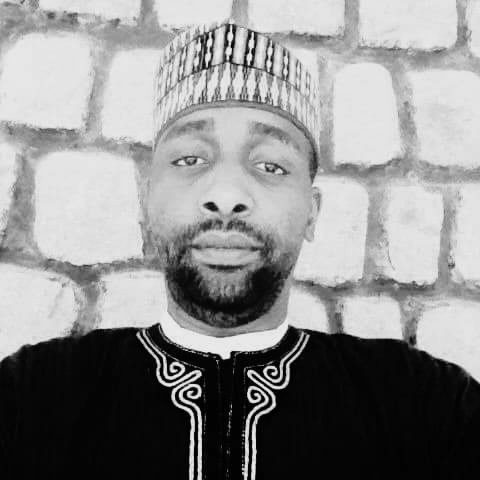
Debt Is Dragging Nigeria’s Future Down -By Abba Dukawa
If these borrowed funds are truly building roads, schools, hospitals, and opportunities, then Nigerians deserve to see it, to feel it, to live it. But if they are funding excess, waste, or luxury, then this path is not just dangerous—it is devastating.

A quiet fear is spreading across the hearts of Nigerians—one that grows heavier with every new headline about rising debt. It is no longer just numbers on paper; it feels like a shadow stretching over the nation’s future. The reality is stark and unsettling: nearly 50% of Nigeria’s revenue is now used to service debt. That is not just unsustainable—it is suffocating.
Behind these figures lies a deeper tragedy. Millions of Nigerians are trapped in what experts call “Multidimensional Poverty,” struggling daily for dignity and survival, while a privileged few continue to live in comfort, untouched by the hardship tightening around the nation. The contrast is painful, and the silence around it is even louder.
Since assuming office, Bola Ahmed Tinubu has embarked on an aggressive borrowing path, presenting it as a necessary step to revive the economy, rebuild infrastructure, and stabilize key sectors.
Between 2023 and 2026, billions of dollars have been secured or proposed in foreign loans. On paper, it is a strategy of hope. But in the hearts of many Nigerians, it feels like a gamble with consequences yet to unfold.
The numbers are staggering. A borrowing plan exceeding $21 billion, backed by the National Assembly , alongside additional billions in loans and grants, signals a government determined to keep spending and building. Another $6.9 billion facility follows closely behind. These are not just financial decisions they are commitments that will echo into generations yet unborn.
And so the questions refuse to go away. Who will bear this burden? Who will repay these debts when the time comes? Will it not fall on ordinary Nigerians already stretched thin to carry the weight of decisions they never made?
There is a growing fear that the nation may be walking into a future where its people become strangers in their own land, bound by obligations to distant creditors.
Even more troubling is the sense that something is not adding up. The removal of fuel subsidy was meant to free up resources, to create breathing room for meaningful development.
But where are the results? Why does it feel like sacrifice has not translated into relief? The silence surrounding these questions breeds suspicion, and suspicion slowly erodes trust. As of December 31, 2025, Nigeria’s public debt has risen to ₦159.28 trillion, according to the Debt Management Office.
The numbers keep climbing, but for many citizens, life keeps declining. This disconnect is what hurts the most.Borrowing, in itself, is not the enemy. Nations borrow to grow, to build, to invest in their future. But borrowing without visible progress, without accountability, without compassion for the people it begins to feel less like strategy and more like a slow descent.
If these borrowed funds are truly building roads, schools, hospitals, and opportunities, then Nigerians deserve to see it, to feel it, to live it. But if they are funding excess, waste, or luxury, then this path is not just dangerous—it is devastating.
Nigeria’s growing loan profile is a double-edged sword. It can either accelerate development or deepen economic challenges. The key issue is not just borrowing—but what the country does with the money. Strong governance, transparency, and investment in productive sectors will determine whether these loans become a foundation for growth or a long-term liability Because in the end, debt is not just an economic issue. It is a moral one. And if care is not taken, the price Nigeria will pay may not just be financial—it may be the future of its people.
Dukawa write it from Kano can be reached at abbahydukawa@gmail.com















You must be logged in to post a comment Login