
Education
Young, Gifted, And Unprepared: Rethinking Early University Admission -By Hannatu Adarju Patrick
The growing presence of underage students in universities presents both promise and concern. It challenges traditional ideas about education and raises important questions about what it truly means to be ready for higher learning.
In the end, the issue goes beyond intelligence or age. It is about balance between brilliance and maturity, opportunity and preparedness.
Because when it comes to higher education, the real question is not just whether a student is smart enough to get in but whether they are ready enough to belong.

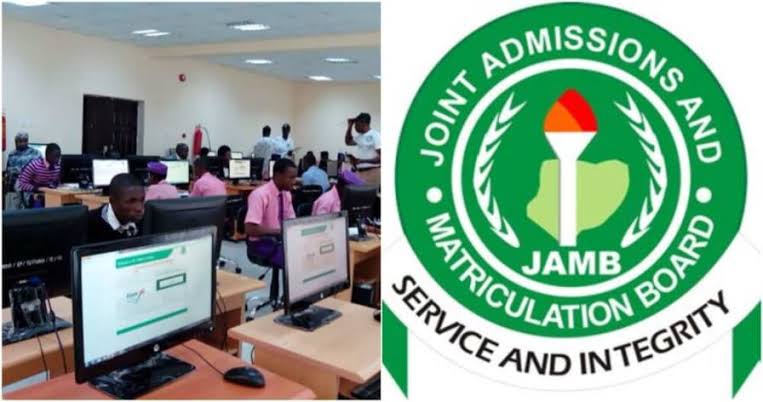
Across many universities today, a subtle but growing trend is taking shape students are entering higher institutions at increasingly younger ages. What was once rare is gradually becoming more common. Academic excellence is rightly celebrated, but the rise of underage students on campus raises an important concern: Can someone be too smart, too soon?
For many of these young scholars, early admission is the result of exceptional performance. Some begin school earlier than their peers and progress rapidly, while others skip classes due to their outstanding intellectual ability. To parents and teachers, such achievements are often seen as a reward for hard work and brilliance a fast track to future success. After all, society tends to believe that a child who excels early is destined for greatness.
But beyond the applause and pride lies a more complex reality.
University life is not built on intelligence alone. It is a demanding environment that requires emotional maturity, independence, and well-developed social skills. For underage students, stepping into this world can feel like being thrown into deep waters without fully learning how to swim.
One of the first hurdles they encounter is social adjustment. The typical university environment is populated by students aged 18 to 25 and above, while some underage students are as young as 14 to 16. This significant age gap can make interaction difficult. Conversations, interests, and life experiences often differ widely, leaving younger students feeling out of place.
“I understand the lectures,” a young student might say, “but sometimes I don’t understand the people.”
This sense of isolation can affect confidence and limit participation, both inside and outside the classroom.
Beyond social life, the sudden shift to independence presents another major challenge. University demands that students manage their own schedules, finances, and personal decisions. For many underage students, this is a sharp contrast to life at home, where parents or guardians handle most responsibilities.
Without proper guidance, this newfound freedom can become overwhelming. Distractions are everywhere, and the absence of close supervision can make younger students more vulnerable to poor choices or unhealthy influences.
There is also the quiet pressure of expectation. Being labeled “gifted” or “exceptional” can weigh heavily on young minds. These students may feel compelled to constantly prove their worth, striving to meet the high expectations placed on them by family, teachers, and even themselves.
Yet, despite these challenges, early university admission is not without its advantages. Exposure to higher-level education at a young age can sharpen intellectual abilities, build discipline, and open doors to opportunities that might otherwise come later in life. Some underage students adapt quickly and thrive, proving that age is not always a barrier to success.
Still, educational experts emphasize that intelligence should never be viewed in isolation. Emotional and social readiness are equally important in determining a student’s success and well-being.
This is where the role of universities and families becomes crucial. Institutions can create support systems such as mentorship programs, counseling services, and orientation programs tailored to younger students. Families, on the other hand, must look beyond academic achievement and ensure that their children are mentally and emotionally prepared for the realities of campus life.
The growing presence of underage students in universities presents both promise and concern. It challenges traditional ideas about education and raises important questions about what it truly means to be ready for higher learning.
In the end, the issue goes beyond intelligence or age. It is about balance between brilliance and maturity, opportunity and preparedness.
Because when it comes to higher education, the real question is not just whether a student is smart enough to get in but whether they are ready enough to belong.





























You must be logged in to post a comment Login