
Forgotten Dairies
Constitutionalizing Climate Protection: The Missing Key to Global Climate Justice -By Fransiscus Nanga Roka
Critics argue that adding climate protection to the constitution might lead to judicial activism, and undercut democratic decision-making. But this is a misunderstanding of what constitutional law is for. Constitutions are needed to limit the arbitrary power of temporary majorities when there are basic things at stake. No one suggests that issues like the right to life or freedom of speech should be left to political discretion.

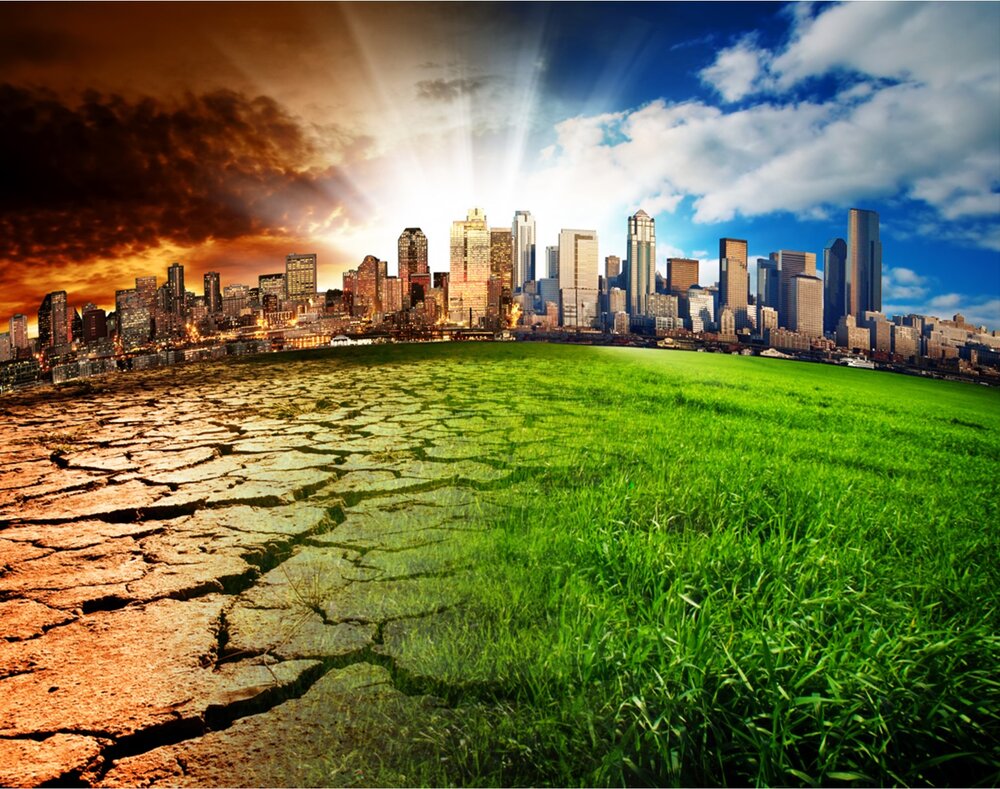
Modern legal systems have a serious flaw laid bare by the global climate crisis: while governments sit down at international conferences and make all kinds of ambitious promises on climate change, inside their own countries the basic laws and constitutions often do not even mention any duty to protect nature.The silence is not accidental; it arises from a fundamental flaw in constitutional design. In many countries today, the environmental protection is regarded as only policy, not legal need. Leaving environmental protection to national political choice, then, would imply another feature, unprovability of constitutive duty. Other people are not only important, but there is hope for them as well. When I can’t find hope in what you’re working on now and may only see the bad side of things for today until more notes come out to share with myself rest assured the internet. Even if climate justice is more than words, the world faces a most challenging task, constitutionalizing climate protection. Constitution, after all, is the final guarantee of a country’s legislation. It not only dictates what form its government takes, but also what principles public power follows. Once human dignity is constitutionalized, it becomes a legally protected right and no longer simply theme or aspiration. If the same principle holds sway for climate protection then we can hardly describe an attitude towards stable climate as policy preference: it has to be prerequisite for all human rights. Without a liveable planet, of what use is the right to life health, subsistence and development? If people have no land but rubbish they are sure dead anyhow as the highest legal expression of national commitment, constitutions not only establish governments’ organization; They also set the essential principles for wielding public power. Once human dignity, equality and freedom get placed in a country’s constitution, they become rights that can be enforced rather than just things to hope will happen. The same should go for climate protection. A stable climate is not one political position among several; It is instead necessary if any of the constituent human rights are to be enjoyed. If there is no inhabitable earth there will be no life, dinieautiful places on earth. People without homes or food and water that just don’t have the means to make more happen will not survive either with air pollution also constitutes an important measure of Power is Proof functionally impotent! There must be firm obligation attached to any subject that does not wish to participate in coherent constraints. With no constitutional safeguard against the threat of pollution: its sustainability endangers everything, be it global environmental justice or individual health constriction.
Recently, legal decisions in most nations show how powerful constitutional environmental guarantees can be. In Germany, Colombia, South Africa and many other countries the courts have held that the government has a constitutional duty to protect generations yet unborn from environmental affronts. Such judgments prove that constitutional law can be used for climate accountability. If environmental protection is made part of a legal code, the courts will have power to order or reinforce mitigation efforts, and prevent relapse into green house gas Promoting environmental rights in constitutions has begun to alter this situation. But it remains largely an exception. Most constitutions still treat protection of the environment as an empty but harmless aspiration or even altogether overlooked area of law. If provision for environmental rights is made at all many constitutions are very weak on this provision. They do not say what duties the state has regarding environmental protection; they provide no mechanisms for enforcement or punishment of offenders and they fail to give any inter generational guarantees. On the international stage, governments can boast of their climate leadership while back home they do nothing at all. This is a dangerous contradiction: states announce to save the world away from home, but at the same time they allow it to be legally destroyed under their very eyes. To make climate protection part of the constitutions, however, requires more than rhetorical flourish. It means that constitutional law must have a change in its structural foundations. First, the constitution must explicitly lay down that every person has the right to live in an environment that is not harmful to his health or said clean and sustainable. Second, it must place binding duties upon government to lower carbon emissions, continue studying climate change, protect life in all its forms; Third, the constitution must recognise the rights of future generations to inherit a world which ensures those generations survival and cannot be wasted. Fourth, the courts must be given power to review practical policies and to cancel laws which do damage against nature. Language should not merely be symbolic: the wording of such a document will have important influence upon its operation.
Critics argue that adding climate protection to the constitution might lead to judicial activism, and undercut democratic decision-making. But this is a misunderstanding of what constitutional law is for. Constitutions are needed to limit the arbitrary power of temporary majorities when there are basic things at stake. No one suggests that issues like the right to life or freedom of speech should be left to political discretion. Climate stability is just as basic.When a constitution fails to protect the environment, it also fails to protect those at risk. To constitutionalize climate protection means not extending for some years longer than others the gap between powerful polluters and defenseless victims; it is legal negligence in the highest degree.In addition, constitutional environmental obligations can strengthen international climate governance. As more countries have a constitutional obligation to take action on climate change, it becomes easier for International Treaties because their implementation is legally enforceable at home. If the world and our commitments to climate change gain constitutional support rather than resting solely on diplomacy with fellow members of an international circle, this shift could turn global climate law from being about promises into a system that has real teeth.The crisis at present is not just a scientific emergency; if we do not include careful environmental provisions in our constitutions now, it will come up for Constitutional Convention this year as well.The choice lying ahead for this world is clear. Either climate protection becomes part of our constitutions so that it is binding on governments and the powerful alike or climate justice remains a utopian dream repeated endlessly at conferences from which one comes away jolly, with cheerful speeches in hand but nothing changed. It’s not much longer a benevolent protector for anyone.Even the people have left it behind; it has become their deserted woe.
Therefore, this article argues that when a constitution is more unjust than just, it cannot be properly interpreted as an exemplary political document or ideal to be followed.
When the climate is transformed, you will lose that climate too.
Fransiscus Nanga Roka
Faculty of Law University 17 August 1945 Surabaya Indonesia



















You must be logged in to post a comment Login