Africa
International Day of Persons with Disabilities 2025: Addressing Africa’s Disability Divide -By Prof. Uche Ofodile
Persons with disabilities are not objects of charity. They are people with rights, talents, and the capacity to lead. Africa can build a continent where every person has the opportunity to contribute fully. Change will happen – one person, one village, one nation at a time.

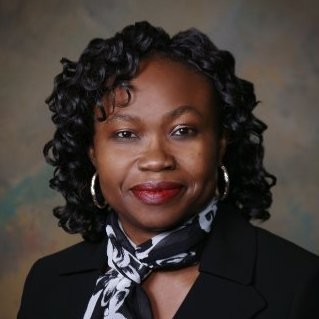
As we mark the 33rd anniversary of the International Day of Persons with Disabilities, let us use this moment to celebrate the strength, resilience, and achievements of persons with disabilities in Africa. At the same time, let our attention be drawn to the barriers that continue to keep millions of Africans with disabilities from fully participating in the rural economy, especially in agriculture. Africa cannot afford to leave this population behind. Disability-inclusive agriculture is both a moral responsibility and a smart economic strategy for our continent.
Across Africa, persons with disabilities are often excluded from agricultural value chains, from production and processing to marketing and distribution. When we include them, we strengthen rural incomes, reduce inequality, increase food security, and build communities that are more resilient and just. This is why disability inclusion in agriculture must be a priority for every African government, community, and development partner.
The International Day of Persons with Disabilities was established in 1992 by UN Resolution 47/3. Each year, this day allows us to pause and reflect. This year’s theme, “Fostering disability inclusive societies for advancing social progress,” invites us to confront the discrimination, stigma, and marginalization that persons with disabilities continue to face. It also pushes us to explore new solutions, including digital tools and assistive technologies, that can open doors for millions of rural Africans.
The rights of persons with disabilities are well established in international law. The UN Declaration on the Rights of Peasants and Other People Working in Rural Areas (UNDROP) recognizes their dignity and special needs. The 2006 UN Convention on the Rights of Persons with Disabilities (UNCRPD) guarantees the right to work for all. At the continental level, the AU Disability Inclusion Guideline and the AU Disability Strategic Framework give African governments clear direction on strengthening disability inclusion.
Understanding Disability in Africa
The 2018 Protocol to the African Charter on Human and Peoples’ Rights on the Rights of Persons with Disabilities in Africa defines persons with disabilities as individuals with physical, mental, psychosocial, intellectual, neurological, developmental, or sensory impairments that interact with barriers to limit full participation in society. Disability is diverse and affected by factors such as age, gender, ethnicity, and location.
Worldwide, more than one billion people—about 15 percent of the global population—live with disabilities. The World Health Organization reports that one in six people has a disability and that 80 percent live in low- and middle-income countries. WHO also estimates that 110 to 190 million adults globally have significant difficulties in functioning.
In Africa, disability is widespread. Persons with disabilities make up an estimated 10 percent of the population, rising to 20 percent in poorer rural areas. The UN estimates that about 80 million Africans live with disabilities, while WHO places the figure closer to 300 million, or nearly 40 percent of the continent’s population. Between 10 and 15 percent of these are children of school age. Sadly, school enrollment for children with disabilities is only 5 to 10 percent, far below that of their peers.
This number will grow as the population ages, as conflict continues or expands, as food insecurity worsens, and as climate change affects health and livelihoods.
Disability in Africa Has a Rural and Agricultural Face
Many persons with disabilities live in rural communities where exclusion is common. The 2024 Disability and Development Report shows that progress on disability inclusion is insufficient for 30 percent of the Sustainable Development Goals. Gaps remain significant in food security, health, access to energy and digital technology, and poverty remains higher among persons with disabilities than persons without disabilities.
Across Africa, the barriers to inclusion are deep and long-standing:
1. Systemic barriers are about the laws, procedures, policies, regulations, and practices that do not take farmers with disabilities into account and therefore exclude them from effective and equitable participation in value chain activities; they manifest in limited access to land, finance, extension services, and agricultural technology.
2. Attitudinal barriers such as stigma, cultural beliefs, and widespread assumptions that persons with disabilities are unable to farm or contribute economically.
3. Environmental barriers, including inaccessible infrastructure, poor transportation, and limited availability of assistive technologies such as prosthetic limbs or adaptive farming tools.
African Progress: A Strong Legal Foundation
Africa has made important strides. Article 18(4) of the African Charter affirms the right of persons with disabilities to special protection. Article 13 of the African Charter on the Rights and Welfare of the Child protects children with disabilities. At least ten African countries have ratified the UNCRPD.
A major milestone came in 2018, when the African Disability Protocol—the first Africa-wide, disability-specific instrument —was adopted. An even greater achievement came on 5 May 2024, when the Protocol officially entered into force. Today, sixteen African countries—including Angola, Burundi, Cameroon, Congo, Kenya, Mali, Malawi, Mozambique, Namibia, Niger, Nigeria, Rwanda, South Africa, Uganda, Zimbabwe, and the Saharawi Arab Democratic Republic—have ratified it.
The creation of the African Disability Forum (ADF) in 2014 and the first African Leaders Forum on Disability that same year show that momentum for inclusion continues to grow.
But Much Work Remains
Despite these promising steps, the reality on the ground remains difficult. Persons with disabilities are among the poorest in Africa. Families that include a person with a disability often struggle with land access, poor nutrition, limited healthcare, and lack of education. Many national and local budgets still overlook disability issues. Harmful practices, social exclusion, and systemic discrimination persist in political and economic life.
Most African countries have not yet ratified the African Disability Protocol, and those that have not fully enforced or domesticated it. Many existing laws remain unenforced.
Inclusion Is Possible: Success Stories Across Africa
Across the continent, real examples show what disability-inclusive agriculture can achieve:
• In western Kenya, the Chakol and Amase PWD groups are successfully planting soybeans.
• In South Africa, deaf farmworkers cultivate tomatoes and lettuce at the Westonaria agricultural park.
• In Kenya, the Digital Agriculture for Inclusive Development programme trains farmers with disabilities in digital tools that improve productivity.
• In Ghana, the Agricultural Productivity Enhancement Project uses digital technology to increase yields for farmers with disabilities.
• The Kijiji Vision Ag mobile app in Kenya supports visually impaired farmers with information on crops, pests, diseases, and market prices.
• In Ghana, Farm Radio International’s “Radio Farma” reaches farmers with hearing impairments using sign language and closed captions.
• In Nigeria, TechnoServe is reportedly using agricultural drones to help farmers with mobility impairments monitor their crops.
These stories show that inclusion is not only possible but already underway.
A Call to Action
To build a truly inclusive agricultural system, we must act at every level.
Individuals and communities must challenge stigma, recognize hidden disabilities, prevent disabilities caused by malnutrition or conflict, and empower farmers with disabilities as innovators and leaders.
Governments must ratify the African Disability Protocol, invest in assistive technologies, reform discriminatory laws, expand inclusive access to land and credit, and ensure that persons with disabilities participate in all decision-making processes. Poverty reduction strategies, food security programmes, and agricultural policies must include disability from the start.
Final Appeal
Persons with disabilities are not objects of charity. They are people with rights, talents, and the capacity to lead. Africa can build a continent where every person has the opportunity to contribute fully. Change will happen – one person, one village, one nation at a time.
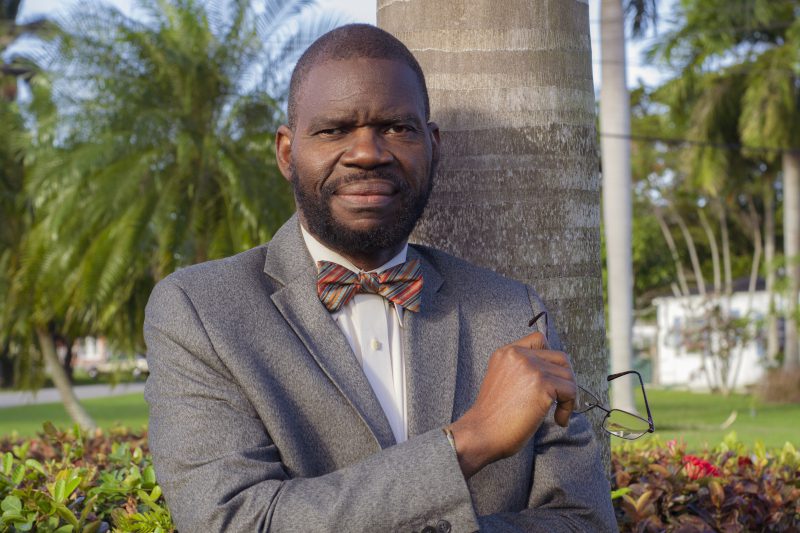
Professor Uche Ofodile, Africa’s representative in United Nations Human Rights Council’s ‘Working Group on Rights of Farmers’ is a law scholar at University of Arkansas, USA.