Africa
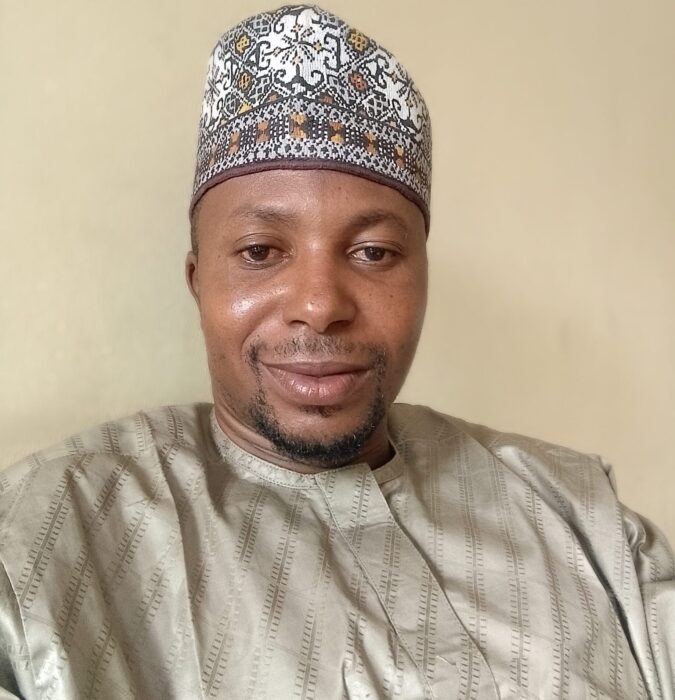
Kano Killing and the Menace of Drugs Abuse -By Ibrahim Mustapha Pambegua
At the enforcement level, agencies like the NDLEA must be better equipped to disrupt drug trafficking networks. Dealers and suppliers should face severe penalties. However, youths already trapped in addiction need rehabilitation, counselling, and reintegration—not just prison sentences that harden them further.

The brutal murder of 35-year-old housewife, Fatima Abubakar, and her six children in Dorayi Charanci, Kano State, is one tragedy Nigerians should never become numb to. Yet, like many violent crimes before it, the shock will fade, the outrage will cool, and life will move on—until the next horrific headline reminds us that something is deeply broken in our society.
This was not just a crime; it was a reflection of our collective failure. A failure of values, of institutions, of families, and of a system that continues to abandon its youths to poverty, idleness, and drug addiction. No rational human being—no matter how angry or provoked—can slaughter innocent children in cold blood. Acts of such savagery are often committed by minds already destroyed by hard drugs and hopelessness.
Drug abuse has quietly become one of the most dangerous fuels of violent crime in Nigeria. Across cities and rural communities, many young people roam the streets without jobs, skills, or hope. In search of escape, they turn to drugs. Once intoxicated, conscience disappears, fear vanishes, and violence becomes easy. As the old saying goes, an idle mind is the devil’s workshop—and drugs provide the devil with tools.
The arrest of suspects by the Kano State Police Command offers a glimmer of hope. Justice must not only be done but must be seen to be done. If found guilty, the perpetrators must face the full wrath of the law. Anything less would send a dangerous message that human life is cheap. However, even the harshest punishment cannot heal the wounds left behind. The pain of a father who lost his wife and six children will linger for a lifetime.
Sadly, this is not an isolated case. From Kano to Kaduna, Lagos to Port Harcourt, stories of defenceless Nigerians murdered in cold blood are becoming disturbingly common. Only last year, a nurse from Barau Dikko Teaching Hospital in Zaria was followed home, robbed, and hacked to death after closing from work.
These killings share a familiar pattern: desperation, drugs, and moral collapse.
While security agencies deserve commendation for their efforts under difficult conditions, policing alone cannot solve this crisis. Guns and handcuffs cannot cure addiction, unemployment, or broken homes. The roots of the problem run much deeper.
Unemployment remains a major trigger. Millions of young Nigerians wake up every day with no jobs, no income, and no clear future. Frustration pushes many into drug abuse, and drugs push them into crime. Weak parental supervision, erosion of moral values, and easy access to illicit substances have only made matters worse.
The solution must therefore be comprehensive. Prevention is key. Drug-abuse education should be mainstreamed in schools, religious centres, and community forums. The media must go beyond reporting crimes to consistently exposing the dangers of drug addiction. When youths understand the consequences, many can still be saved.
Empowerment is equally critical. Governments at all levels must prioritise job creation, vocational training, and entrepreneurship support. Sports, arts, and creative programmes should be revived to productively engage young people and redirect their energies.
At the enforcement level, agencies like the NDLEA must be better equipped to disrupt drug trafficking networks. Dealers and suppliers should face severe penalties. However, youths already trapped in addiction need rehabilitation, counselling, and reintegration—not just prison sentences that harden them further.
Communities cannot afford to stand aside. Parents, traditional rulers, religious leaders, youth organisations, and civil society groups must reclaim their role as moral gatekeepers. Drug abuse is not only a government problem; it is a societal one.
The killing of Fatima Abubakar and her six children should not be remembered as just another tragic statistic. It should serve as a wake-up call. If Nigeria truly wants to end the cycle of violence, it must confront drug abuse, youth unemployment, and moral decay with urgency and sincerity.
Until then, more innocent lives will be lost—and we will all share the blame.
Ibrahim Mustapha Pambegua
Kaduna State
08169056963