Africa
NCC And The Future Of Telecommunications In Nigeria -By Timothy Ali Samuel
The Nigerian telecoms revolution is still unfolding, and the NCC is at the heart of it. Whether it can rise to the challenges of poor service quality, digital inequality, and cybersecurity will determine how well Nigeria harnesses telecommunications as a tool for development in the 21st century. The commission’s next moves could shape not just the future of telecoms, but the very pace of Nigeria’s digital transformation.

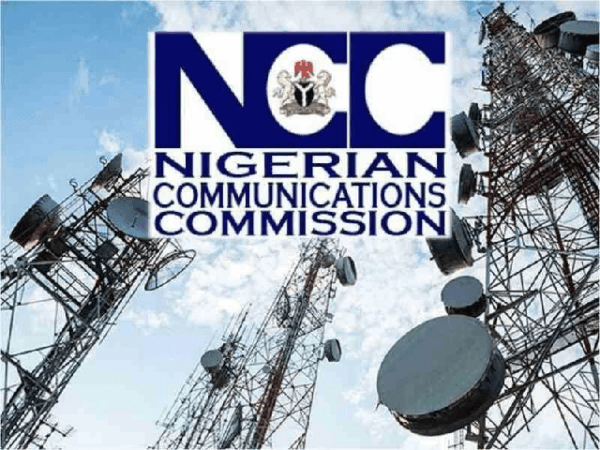
In today’s digital age, telecommunications is no longer a luxury—it is the backbone of social interaction, business, and national development. In Nigeria, the Nigerian Communications Commission (NCC) is the agency tasked with regulating this vital sector. Established in 1992, the NCC has overseen one of the most remarkable transformations in Nigeria’s economic history: the transition from limited landline services to a booming mobile and broadband market.
When mobile telephony was first introduced in 2001, few could have imagined the scale of growth that would follow. Today, Nigeria has over 200 million active mobile subscribers, making it the largest telecoms market in Africa. This rapid expansion has been driven by private investment, innovation, and regulation by the NCC. The agency’s licensing of operators, spectrum allocation, and enforcement of standards have helped shape the industry into a competitive and vibrant space.
The impact of this growth on the Nigerian economy cannot be overstated. The telecoms sector contributes over 12% to the country’s Gross Domestic Product (GDP), providing jobs, attracting foreign investment, and enabling new industries such as fintech, e-commerce, and digital media. Many credit the NCC with providing the regulatory environment that has allowed this transformation to happen.
However, the commission faces growing challenges. Poor network quality, frequent call drops, and slow internet speeds remain major complaints among subscribers. While telecom companies often cite power shortages, vandalism, and high operating costs as obstacles, Nigerians continue to demand better services. As the regulator, the NCC is frequently called upon to enforce stricter quality standards and hold operators accountable.
Another pressing issue is affordability. Although mobile penetration is high, millions of Nigerians—especially in rural areas—still struggle to access affordable data and reliable connectivity. The “digital divide” between urban and rural communities remains wide, raising questions about inclusivity in Nigeria’s digital transformation. The NCC has launched initiatives to expand broadband access, but progress has been uneven.
Cybersecurity and data privacy are also rising concerns. With the increasing use of mobile banking, online shopping, and digital communications, Nigerians are more exposed to cybercrime. The NCC has a mandate to ensure consumer protection, but many citizens feel more must be done to safeguard their personal data and online activities.
The rollout of 5G services presents both opportunities and challenges for the commission. While 5G promises faster speeds and new possibilities in healthcare, education, and smart cities, it also requires massive investment in infrastructure and careful regulation to avoid monopolies. The NCC must balance the need for innovation with the responsibility to ensure fair competition and affordability for the average Nigerian.
Despite these hurdles, the NCC remains a strong pillar of Nigeria’s economic future. Its regulatory decisions directly affect millions of citizens and businesses every day. From licensing new operators to settling disputes between service providers and consumers, the commission plays a central role in shaping Nigeria’s digital destiny.
For the NCC to remain effective, it must continue to adapt to global trends while addressing local realities. Stronger consumer protection, rural connectivity projects, and collaboration with tech innovators will be essential. Transparency in decision-making and independence from political influence will also be crucial in maintaining public trust.
The Nigerian telecoms revolution is still unfolding, and the NCC is at the heart of it. Whether it can rise to the challenges of poor service quality, digital inequality, and cybersecurity will determine how well Nigeria harnesses telecommunications as a tool for development in the 21st century. The commission’s next moves could shape not just the future of telecoms, but the very pace of Nigeria’s digital transformation.
TIMOTHY ALI SAMUEL IS A 300 LEVEL STUDENT FROM MASS COMMUNICATION DEPARTMENT UNIVERSITY OF MAIDUGURI.