
Africa
NBC And The Struggle For Balance In Nigeria’s Broadcasting Landscape -By Maryam Iliya Tarpaya
As Nigeria moves further into the digital age, the role of the NBC will only become more complex. Its ability to adapt, reform, and remain impartial will decide not just the future of broadcasting, but also the strength of Nigeria’s democracy itself.

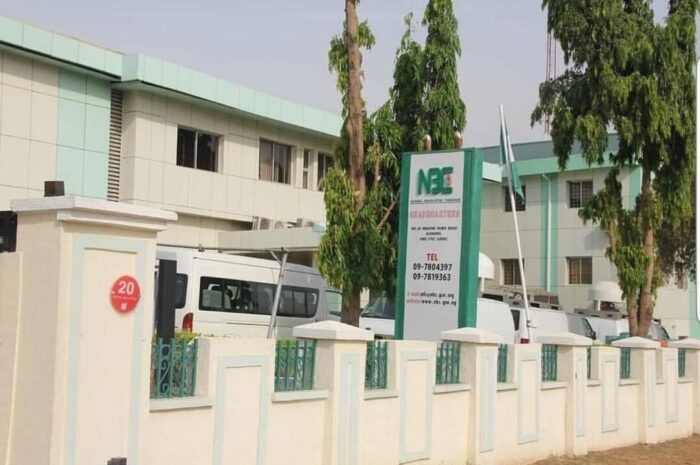
In every modern democracy, the media is considered the fourth estate of the realm, holding power accountable and shaping public opinion. In Nigeria, the National Broadcasting Commission (NBC) serves as the regulator of this vital sector. Established by Decree 38 of 1992, the NBC was given the mandate to regulate, license, and monitor broadcasting activities across the country. More than three decades later, the commission finds itself at the centre of controversy, as it struggles to balance regulation with press freedom.
Over the years, the NBC has played an important role in expanding Nigeria’s broadcasting space. Before its creation, the broadcast industry was tightly controlled by the government, with few radio and television stations in operation. Today, Nigeria boasts hundreds of radio and television stations, as well as new entrants in the digital broadcasting era. Many credit NBC for liberalizing the sector and creating opportunities for private ownership and investment.
However, the commission has also faced criticism for what some describe as overregulation. Media houses have repeatedly accused the NBC of acting as a political tool rather than an impartial regulator. From suspensions and fines imposed on television stations to threats of license revocation, the commission’s actions often spark debates about censorship and freedom of expression. In a country where democracy is still maturing, the tension between regulation and press freedom remains unresolved.
One of the most controversial issues surrounding the NBC is its handling of political coverage. During election seasons, the commission frequently issues guidelines to media organizations, warning against hate speech, fake news, and biased reporting. While these measures are meant to ensure responsible journalism, critics argue that the NBC sometimes interprets these rules in ways that stifle dissenting voices and limit robust political debate.
The challenge of digital transition has also tested the commission’s capacity. Nigeria’s switch from analogue to digital broadcasting, a project under NBC’s supervision, has suffered repeated delays. Although the digital switchover promises better quality and wider access to television services, poor funding, policy inconsistency, and weak infrastructure have slowed progress. Millions of Nigerians still rely on outdated analogue services, raising doubts about when the transition will be fully achieved.
In addition, the rapid growth of online streaming platforms and social media has blurred the boundaries of broadcasting. Questions are now being asked about whether NBC should regulate digital platforms such as YouTube, Netflix, and Facebook, which increasingly serve as sources of news and entertainment. The commission itself has acknowledged the difficulty of regulating a borderless digital space, but insists that rules must evolve to protect the Nigerian public from harmful or misleading content.
Despite these controversies, NBC’s role in maintaining order in the broadcasting sector cannot be ignored. Without a regulatory body, the airwaves could descend into chaos, with unverified information, hate speech, and offensive content dominating the media space. The challenge lies in finding the right balance between enforcing standards and respecting press freedom in a democratic society.
To achieve this balance, many experts have called for reforms within NBC. They argue that the commission should be restructured to make it more independent, free from political interference, and better equipped to handle the realities of a digital world. Such reforms, they say, would strengthen both the credibility of the regulator and the confidence of broadcasters.
The NBC stands at a critical moment in its history. With Nigeria’s democracy under pressure, the need for a free but responsible media has never been greater. Whether the commission rises to this challenge—or continues to be seen as a controversial referee—will determine its legacy in the years to come.
As Nigeria moves further into the digital age, the role of the NBC will only become more complex. Its ability to adapt, reform, and remain impartial will decide not just the future of broadcasting, but also the strength of Nigeria’s democracy itself.
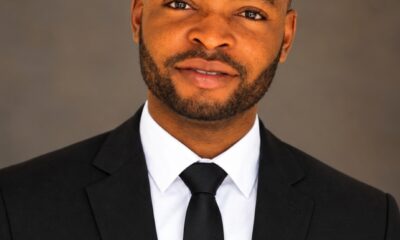
Maryam Iliya Tarpaya is A 300 Level Student From Mass Communication Department University Of Maiduguri.


















You must be logged in to post a comment Login