Africa
Nigeria 2025; Successful NUGA, No Fuel Queues and Some Good Things -By Prince Charles Dickson, Ph.D.
Politically, the year tilted toward déjà vu. Like the Olusegun Obasanjo era, we drifted toward a one-party atmosphere. Many joined the All Progressives Congress. We shouted “one-party state!” but refused to ask why opposition parties offered no alternatives beyond press statements. Blame is a lazy currency; accountability is harder. Parties do not win by default; opponents lose by negligence.

We once woke up to a brand-new Toyota Camry in our estate; the type they called Muscle. It belonged to the chairman of our residents’ association, a policeman posted to Bwari Area Council. Everyone knew his salary could not muscle that muscle. From that morning, murmurs replaced greetings. It was not envy; it was arithmetic.
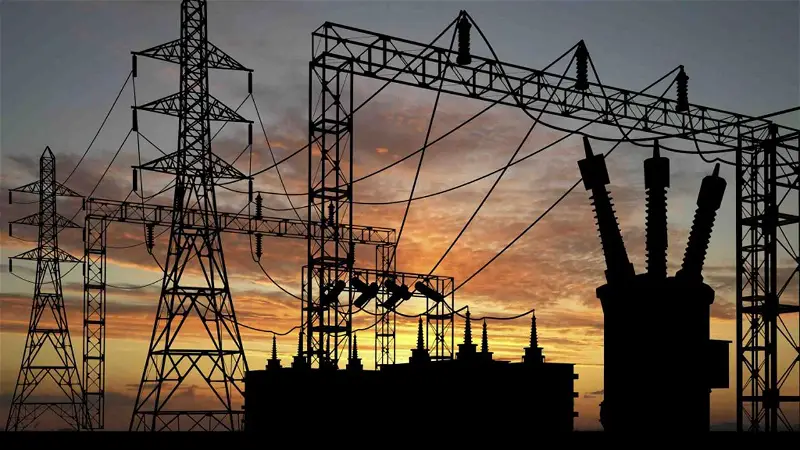
Our transformer was dying. AEDC ignored us with the indifference of only perfect monopolies. We agreed to tax ourselves. ₦5 million for a replacement in 2017. To “simplify,” we paid directly to the chairman. While contributions trickled in, the chairman’s car announced itself daily; bass turned up, windows down, confidence loud. Two weeks later, when we asked for an update, he said nearly ₦3 million had been forwarded to the seller. Someone called the seller on speaker. He had received nothing.
Chaos followed. Then a young man—barely 21—raised his hand. He asked one question: How did you decide who should keep the community’s money? Why a police officer? We chased him out for rudeness. After all, not all policemen steal. True. But sometimes, a question is less about accusing a profession and more about interrogating a system.
Nigeria in 2025 felt like that meeting. Loud, contradictory, uncomfortable and oddly revealing.
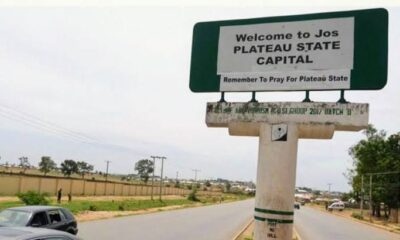
It is 2025. Against a backdrop of insecurity that tried to become our national anthem, some things went right. In the city of Jos, at the University of Jos, the Nigerian Universities Games (NUGA) was hosted with over ninety universities participating. For Nigeria, that alone is news. For Jos, often reduced to headlines of grief, it was a statement. No kidnappings. No mass casualties. No “unfortunate incidents.” Kudos to the Vice-Chancellor and a team that chose competence over theatrics. When institutions work, miracles become boring.
Food prices came down too, almost a first in recent memory. Tomatoes softened. Rice exhaled. Pepper behaved. And yet, purchasing power also dropped. Cheap food, no money. The stalls were full; wallets were empty. We have screamed about food security for years, blaming insecurity for scarcity. In 2025, the food was there. The money was not. Like the young lad’s question, the wisdom was weird: abundance without access; stability without prosperity. A country can fill markets and still starve its people.
Then there was fuel, our December tradition of queues and curses. For once, there were none. Just money and motion. You drove in, paid, drove out. If you are not Nigerian, you will miss the poetry here. Fuel queues are our annual rite, the proof of belonging. This year, the ritual failed to show up. We didn’t protest; we suspected a trick. But December passed, and petrol behaved. A small mercy, perhaps, but in Nigeria small mercies keep marriages intact.
Security incidents; bombs, kidnappings, and banditry did not vanish, but they softened. Not gone; just quieter. I will avoid the politics around the U.S. Christmas hit in Sokoto. Nigeria does not lack analysts; it lacks listeners. Let us say only this: when violence pauses, even briefly, it exposes what peace could look like if we were serious.
Politically, the year tilted toward déjà vu. Like the Olusegun Obasanjo era, we drifted toward a one-party atmosphere. Many joined the All Progressives Congress. We shouted “one-party state!” but refused to ask why opposition parties offered no alternatives beyond press statements. Blame is a lazy currency; accountability is harder. Parties do not win by default; opponents lose by negligence.
In parts of the North, voices of criticism returned after the hush of the Muhammadu Buhari years. Yet collective action lagged. Power visited, but productivity did not. We had moments, appointments, platforms, access—but failed to translate them into outcomes for the people who lent us their hopes. Criticism is not courage if it does not organize itself into service.
The country remained divided as ethnic lines drawn in permanent ink, religious fault lines widened by opportunists. And yes, the matter of Nnamdi Kanu found a new rhetorical address in Sokoto, as if relocating arguments could resolve grievances. Nigeria loves to move problems around and call it progress.
So, was 2025 good or bad? Pick your choice. Like our estate meeting, both truths sat in the same room. The chairman’s car was loud; the transformer was broken. We were angry at the theft but offended by the question. We defended integrity in theory while ignoring process in practice.
Here is the metaphor we keep missing: corruption is not only about bad people; it is about bad systems that concentrate trust without checks. We did not give the money to a policeman because policemen steal. We gave it to one person because we confuse authority with accountability. Nigeria does this often. We centralize trust, then feign shock when it leaks.
2025 showed us flashes of competence; events secured, queues gone, food available. It also showed us the hollowness beneath: thin wallets, brittle unity, lazy opposition, relocated grievances. Good things happened. Bad things too. The lesson is not to deny either, but to learn how to hold money together without worshipping the custodian; how to celebrate fuel without forgetting income; how to host games without postponing justice.
It was the year we collected all kinds of loans, and not exactly sure if we can say same of littered infrastructures, we spent more on aesthetics than the real deal
The young man’s question still echoes. It was not an insult; it was an audit. Nigeria needs more audits—of systems, not just souls. Less bass from the car, more balance in the books. If we can do that, perhaps the next transformer will hum, and the next December will be boring in the best possible way—and may Nigeria win.