Africa
Nigerian Problems and Village People; Under or Over Cooked -By Prince Charles Dickson Ph.D.
We are a nation that prides itself on resilience; the ability to survive anything. Yet resilience has become another word for normalized hardship. Nigerians don’t just survive; they improvise survival. When electricity goes, they sing: “Up NEPA!” when it returns. When fuel prices jump, they queue with jokes. When salaries vanish into inflation, they chant, “E go better.” But when will it really be better?

In Nigeria, when life begins to fall apart, when businesses fail, marriages collapse, or promotions evaporate at the brink of confirmation, there’s always a ready culprit: village people. They are the unseen hands from ancestral compounds, experts in remote sabotage, supposedly sitting under mango trees in distant hamlets, drinking palm wine and plotting your downfall.
Missed a job interview? It wasn’t your lack of preparation; it was village people. Car engine knocked? Not poor maintenance; village people. Even when one forgets to add Maggi to stew, someone whispers: “Ah, your village people are after you.” The myth comforts us because it transfers blame. Instead of asking why didn’t I plan better, save more, or hold government accountable, we craft a scapegoat in the shadows of tradition.
Ironically, as Nigerians chant about village people, the real saboteurs of our collective destiny wear starched agbadas and Italian suits, signing away futures with pens dipped in foreign ink.
Consider Nigeria’s recent appetite for loans. Each government enters office, promising prudence, fiscal discipline, and a war against corruption, only to emerge as addicted borrowers on the international stage. External debts, domestic debts, overdrafts from the Central Bank; every hole is dug deeper with the spade of loans.
And what happens to the ordinary Nigerian? The naira slides faster than okra soup escaping a spoon. Inflation eats through salaries like termites devouring rafters. Yet the headlines declare: “Nigeria secures $7 billion loan to boost economy.” Boost economy? Which economy? The one where traders re-label bags of sachet water “pure tears”? Or the one where young people now invest in “japa” more than in land?
The bitter irony: the loans are taken in the name of the people but never spent on the people. By the time repayment season comes, the citizens pay with higher fuel prices, strangulating taxes, and skyrocketing food costs. Meanwhile, those who signed the loans have long changed their car plates and addresses.
When the loan treadmill becomes unsustainable, government remembers the one guaranteed ATM; the citizens. And so, taxes bloom like mushrooms after rainfall. Suddenly, there’s talk of taxing boreholes, taxing phone calls longer than three minutes, taxing bread, taxing road usage, even taxing your thoughts if they could be monetized.
The new drive is simple: tax Nigerians out of their livelihoods.
The poor are already drowning, yet government insists on adding more buckets of water. A man who cannot afford garri is asked to contribute for digital services tax. A woman whose shop is raided by touts masquerading as revenue collectors must still renew a license for survival.
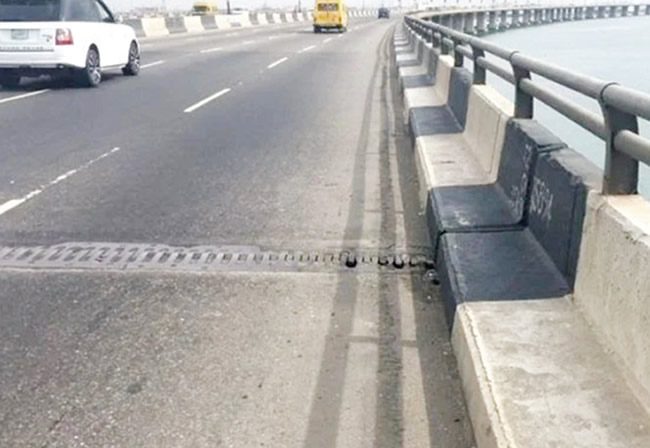
In saner climes, taxation is tied to visible services; roads, hospitals, schools, electricity. In Nigeria, taxation is tied to promises, never delivery. The Lagos-Ibadan Expressway has collected more tax than it has provided smooth passage. Electricity tariffs rise like balloons, but the light disappears faster than a politician after an election.
Yet, we are told: the government is trying. And truly, they are. They roll out economic policies with big English names; “Economic Recovery and Growth Plan,” “National Development Strategy,” “Agenda 2050.” PowerPoints are created, jingles aired, hashtags trended. But the ordinary Nigerian looks around and sees no alignment between the slogans and reality.
It is like serving burnt jollof rice and calling it smoky delicacy. Or like presenting watery beans porridge and insisting it is gourmet cuisine. The truth remains: we are undercooked where planning is needed and overcooked where suffering is felt.
We ban rice importation without securing local production. We float the naira without a lifeboat for citizens. We insist on subsidy removal without building a safety net. Every policy feels like a half-baked experiment; simultaneously raw and burnt.
What Do Nigerians Really Want? This question is both simple and complex. On the surface, Nigerians want the basics: affordable food, reliable electricity, good roads, decent healthcare, quality education, and security. The foundation of a dignified life. But scratch deeper, and you see the contradictions.
We want cheap fuel, but we also want government to stop borrowing. We want jobs, but we resist the discipline required in taxation when it is fair and transparent. We want change, but many still collect wrappers, rice, and ₦5,000 during elections. We decry corruption but happily “settle” traffic wardens or cut corners at work.
So, what do Nigerians want? Perhaps clarity. Perhaps honesty. Perhaps leaders who say, “We cannot give you everything, but here is what we can do and here is how you will see it.” Not the constant chorus of “dividends of democracy” that never reach the masses.
And so, the myth of village people remains useful because it shields us from confronting uncomfortable truths. It is easier to believe one’s problems stem from unseen witches in the bush than from visible policies signed in Abuja. The irony bites: our real village people may not be in the village at all. They sit in air-conditioned offices, traveling abroad for medical checkups, while citizens die in underfunded hospitals where doctors use their phone torchlight during surgeries.
Meanwhile, citizens are conditioned to laugh at their pain. Comedy skits trend on social media, mocking suffering as if laughter alone can refill empty pots. It is the tragicomedy of Nigeria: crying while laughing, cooking soup with no meat but calling it “vegetarian lifestyle.”
Nigeria today is a meal mismanaged.
Our democracy is undercooked; raw institutions, weak accountability, elections flavored with fraud. Our suffering is overcooked; burnt beyond taste, seasoned with frustration and despair. Our potential is undercooked; raw talent, youth energy, and creativity left idle. Our excuses are overcooked; burnt-out narratives of colonialism, oil dependence, and “God will do it.”
We are a nation that prides itself on resilience; the ability to survive anything. Yet resilience has become another word for normalized hardship. Nigerians don’t just survive; they improvise survival. When electricity goes, they sing: “Up NEPA!” when it returns. When fuel prices jump, they queue with jokes. When salaries vanish into inflation, they chant, “E go better.” But when will it really be better?
I will end with this short story.
At a university, a professor asked his students: “If there are four birds on a tree and three of them decided to fly away, how many are left on the tree?”
Everyone answered, “One.”
They were surprised when one student disagreed and said, “Four birds remain.”
This caught everyone’s attention.
The professor asked him: “How so?”
He replied: “You said they decided to fly, but you didn’t say they actually flew. Making a decision doesn’t mean taking action.”
And indeed, that was the correct answer.
This story reflects Nigeria’s situation. For decades, leaders have decided to reform, industrialize, diversify, and eradicate corruption. Citizens have decided to demand better governance, to vote wisely, to hold leaders accountable. But decision is not action.
We have slogans, catchy words, and endless manifestos that shine during campaigns and international conferences. But in reality, our national life does not reflect those words.
Nigerian problems are not always about village people; they are about the gap between decision and action. And until the birds not only decide but actually fly, Nigeria will remain a tree full of promises, but empty of flight—May Nigeria win.
—
Prince Charles Dickson PhD
Team Lead
The Tattaaunawa Roundtable Initiative (TRICentre)
Development & Media Practitioner|
Researcher|Policy Analyst|Public Intellect|Teacher
234 803 331 1301, 234 805 715 2301
Alternate Mail: pcdbooks@yahoo.com
Skype ID: princecharlesdickson