Africa
Nigeria’s Biggest Crisis Is Not the Economy — It Is Trust -By Abdulazeez Toheeb Olawale
Nigeria does not lack resources, ideas, or hardworking people. What it lacks is credibility. No economic reform, security strategy, or political promise can succeed in a country where citizens no longer believe those in power. Trust cannot be commanded. It must be earned — through honesty, transparency, accountability, and consistent action. Until leadership understands this, every policy will struggle, every reform will fail, and every promise will ring hollow.

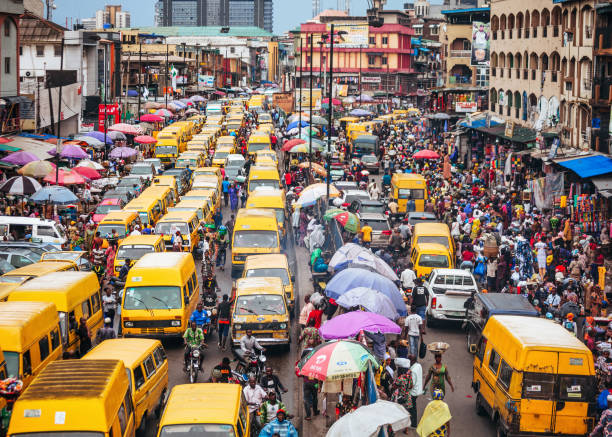
Nigeria’s economy is in distress, no doubt. Inflation is squeezing households, the naira is under pressure, and poverty is spreading. But these are symptoms, not the disease. The real crisis eating Nigeria from the inside is the total collapse of trust.
Nigerians no longer believe what they are told. Official figures are announced, but citizens measure reality by empty kitchens and unpaid bills. Budgets run into trillions, yet basic services remain elusive. Promises are recycled with every administration, but delivery remains rare. Over time, the disconnect between government words and everyday experience has bred deep cynicism.
This crisis of trust is most visible in security. Communities across the country live in fear, often relying on self-help rather than the state for protection. When attacks occur, victims expect silence, not justice. Criminals act boldly because consequences are uncertain. A government that cannot convincingly protect lives and property struggles to command loyalty or respect.
Public institutions have not helped matters. From malfunctioning portals to delayed salaries and opaque policies, inefficiency has become routine. Citizens now approach government systems with suspicion, not confidence. Many no longer expect institutions to work; they simply hope to escape unscathed. This quiet resignation is dangerous — it signals a society losing faith in itself.
The economic cost of broken trust is enormous. Investors stay away, businesses collapse under policy inconsistency, and citizens avoid formal systems wherever possible. Tax compliance suffers, not just because people are poor, but because they do not believe their money will be accounted for. An economy cannot function when trust is absent.
Even more troubling is the social damage. As confidence in national institutions fades, Nigerians retreat into ethnic, religious, and regional corners. Suspicion replaces solidarity. National unity weakens, and every crisis is interpreted through the lens of identity rather than citizenship.
Nigeria does not lack resources, ideas, or hardworking people. What it lacks is credibility. No economic reform, security strategy, or political promise can succeed in a country where citizens no longer believe those in power.
Trust cannot be commanded. It must be earned — through honesty, transparency, accountability, and consistent action. Until leadership understands this, every policy will struggle, every reform will fail, and every promise will ring hollow.
Nigeria’s biggest crisis is not the economy. It is trust — and without it, nothing else will work.
A nation that has lost trust has lost its compass. Until Nigeria confronts this truth, economic recovery will remain a slogan, not a reality.
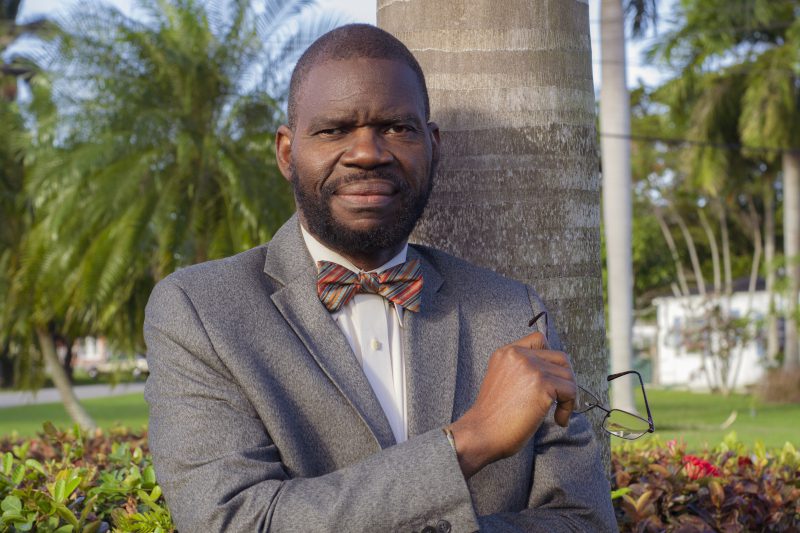
Abdulazeez Toheeb Olawale is a Nigerian writer and emerging journalist with a strong interest in public policy, governance, and socio-economic issues. His work focuses on giving voice to everyday Nigerian realities, especially the struggles and resilience of young people navigating a broken system. He writes with a commitment to accountability, national development, and social justice.
He can be reach via toheebazeez200@gmail.com