Africa
Nigeria’s Dangerous Dilemma: Foreign Help or Foreign Control? -By Adama Babagana
President Tinubu now faces the enormous challenge of securing necessary support while protecting national interests. His administration must negotiate agreements that emphasize technology transfer rather than foreign troop presence. The coming weeks will test whether Nigeria can strengthen its security without surrendering its sovereignty, with outcomes that will shape the nation’s future for generations.

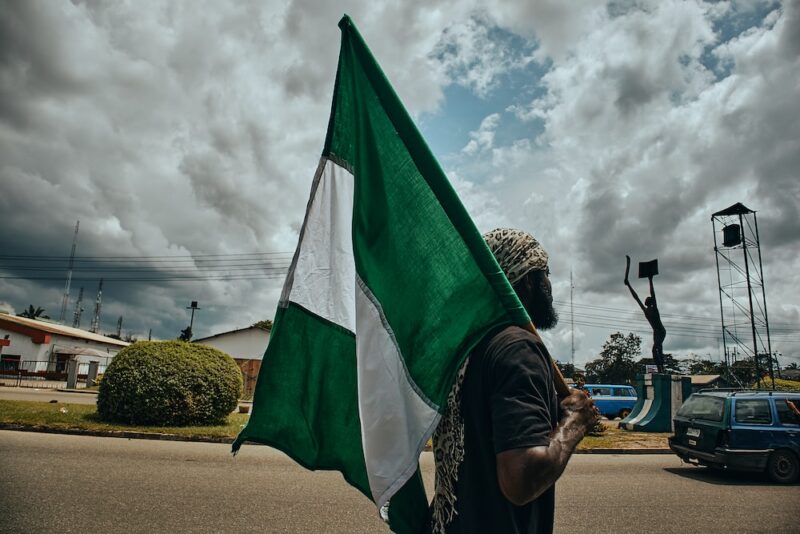
President Bola Tinubu faces his most severe international crisis since taking office, sparked by a stunning declaration from the United States. The American President has threatened military intervention in Nigeria, citing what he called an ongoing “Christian genocide” by extremist groups. This unprecedented threat has placed Nigeria in a precarious position, forcing immediate diplomatic action.
In response, Tinubu has launched a frantic effort to secure international military support through diplomatic channels. His administration is carefully balancing the urgent need for security assistance against the grave risk of compromising national sovereignty. The situation represents one of the most complex foreign policy challenges in Nigeria’s recent history.
The potential benefits of foreign support are substantial and desperately needed. International allies can provide advanced surveillance technology including satellite systems and drones that would give Nigerian forces new capabilities against terrorist groups. This equipment could help track militant movements in remote areas where Boko Haram and ISWAP have operated freely.
Beyond hardware, Western nations offer specialized military training that could transform Nigeria’s counter-terrorism approach. NATO-standard instruction in counter-insurgency tactics and intelligence gathering would enhance the professionalism and effectiveness of Nigerian security forces. This knowledge transfer represents a long-term investment in national security.
The financial aspect cannot be overlooked, as the economic burden of prolonged counter-terror operations has strained national resources. International military aid would allow Nigeria to redirect funds toward development programs addressing the root causes of extremism. This dual approach of security and development is essential for lasting peace.
However, these advantages come with significant dangers that could undermine Nigerian sovereignty. The most immediate concern is foreign influence over military decision-making, as international partners often impose conditions that override national interests. Nigeria could find itself following strategies designed in Western capitals rather than Abuja.
The propaganda value for terrorist groups presents another serious risk. The presence of Western forces would allow militants to frame their campaign as a religious war against foreign invaders, potentially boosting recruitment across the region. This could transform a national insurgency into an international jihadist cause.
Complicating matters further is the fundamental mismatch in strategic priorities between Nigeria and potential allies. While Nigeria seeks comprehensive security and stability, foreign powers may focus narrowly on eliminating immediate threats to their own interests. This divergence could leave Nigeria’s deeper security needs unaddressed.
The American President’s “genocide” framing introduces additional complications by potentially inflaming religious tensions. This characterization risks hardening sectarian divisions in a nation where Muslim and Christian communities have historically coexisted. Rather than promoting unity, it could legitimize retaliatory violence.
President Tinubu now faces the enormous challenge of securing necessary support while protecting national interests. His administration must negotiate agreements that emphasize technology transfer rather than foreign troop presence. The coming weeks will test whether Nigeria can strengthen its security without surrendering its sovereignty, with outcomes that will shape the nation’s future for generations.
Adama Babagana
Department of mass communication, Kashim Ibrahim University, Maiduguri.



![Gaza has been under heavy Israeli bombardment for weeks [File: Ohad Zwigenberg/AP]](https://www.africansangle.com/wp-content/uploads/2023/10/Gaza-has-been-under-heavy-Israeli-bombardment-for-weeks.jpg)