Africa
Nigeria’s Floods Of Tears, by Ike Willie-Nwobu

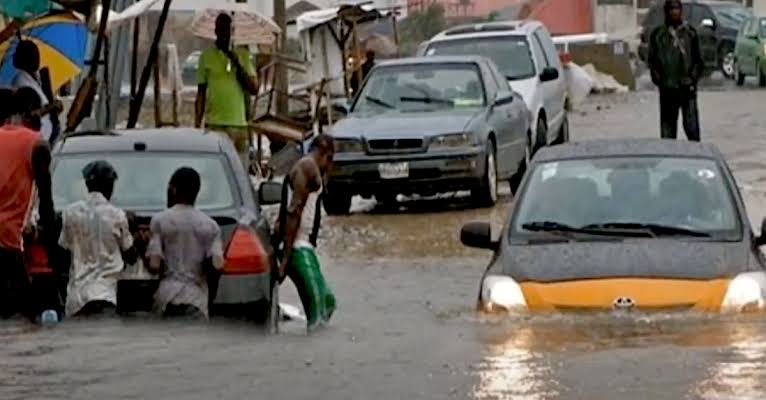
The floods that have recently surged through Borno state bear in their watery ruthlessness a message that is as stark as it’s sobering: that Nigeria’s disaster management is not only below par but is a disaster waiting to happen and upend the lives of the most vulnerable Nigerians.
As floods have turned large portions of the state into watery graves of men and matters, Nigerians have been forced to painfully reckon with what it means when disaster management fails to proactively manage disaster thereby exposing people to nature’s fury.
Anyone who needs a reminder of how nature can punish dereliction only need to look at Maiduguri, the state capital, where floods have left a trail of tears and trauma.
Lives were lost, and many people remain missing. Houses, cars and shops were also submerged as the floods left tales of woe.
Now, while those who choose to describe government incompetence in rosy words may prefer to point to government response and argue that the the floods were an inevitable act of God, it is not true that the misery of countless families including pregnant women and children could not have been prevented.
The Nigerian government has at its service a meteorological agency set up and funded with taxpayers’ money. This agency makes weather predictions all year round or should be able to do so. The agency can also predict what the weather will bring in the future. Consequently, the government cannot feign ignorance over states that are prone to flooding in Nigeria, the time they are prone to flooding, and what can be done to protect lives and property in such states.
The government usually knows this but prefers to use funds set aside to mitigate the effects of flooding to do other things. Just as in many other respects, the government chooses to do nothing.
The premium the government places on life in Nigeria remains dangerously and scandalously low and is the main force driving the enterprise of those who prey on Nigerians.
In a country where anyone hardly accounts for anything, money appropriated for ecological purposes end up in war chests used to rig elections, or go to line the private pockets of corrupt public officers.
The misery of the long-suffering people of Borno State who have also known the terror of Boko Haram more than others has attracted widespread attention with their plight serving as a playground for a derelict government and its cronies.
If the state has garnered major attention because it is the homestead of Kasshim Shettima, Nigeria’s Vice President, the question must be asked as to why that fact did not compel action to be taken to preclude the disaster in the first place.
Politicians and many others who milk every opportunity to curry political patronage have been quick to go to the state and donate massive sums of money to the victims of the flood. Many members of the first family have also been generous in their donations banking on the devastation and their seeming philanthropy to distract anyone from raising vital questions about the source of the funds.
Essentially, that is how the system works in Nigeria. Government officials allocate funds for different purposes, ignore those purposes, divert the funds, and when disaster strikes, they rush to the scene and try to score cheap political points by pretending that they care.
Life in Nigeria remains “brutish, nasty and short’ as Thomas Hobbes describes it. Survival in Nigeria is reserved only for the fittest, who are those better placed to steal public funds.
The floods alerts are still ringing out concerning other similarly endangered states but it is doubtful that this government will take heed and avert the approaching danger. It would rather wait for it to happen so it can mine the opportunity to score cheap political points.
Ike Willie-Nwobu,
Ikewilly9@gmail.com