Business
Nigeria’s Naira Crude Revolution, by Abiodun Komolafe

Assuming no unforeseen circumstances, Dangote Refinery is expected to make its first delivery of refined premium motor spirit, pms, to the Nigerian market by September 2024. The Federal Government has also announced that sales of crude oil to Dangote and other local refineries will begin on October 1, 2024. To address concerns about pump prices and dollar-naira exchange rates, the Federal Executive Council approved a plan. The plan offers 450,000 barrels for domestic consumption in naira to Nigerian refineries, with Dangote Refinery as the pilot.
To begin with, this directive to the Nigerian National Petroleum Company Limited (NNPCL) marks a pivotal moment in Nigeria’s efforts to redefine crude oil sales and bolster the local economy through domestic transactions. The move is expected to have a positive impact on various sectors, including manufacturing and agriculture. Selling crude oil in naira will reduce reliance on foreign exchange, thereby stabilizing the currency. For instance, if Nigeria sells 450,000 barrels of crude oil per day to local refineries in naira, it could reduce the country’s foreign exchange expenditure by approximately $1.5 billion annually, assuming a crude oil price of $60 per barrel. This could be a significant step towards economic diversification and growth, if implemented effectively.
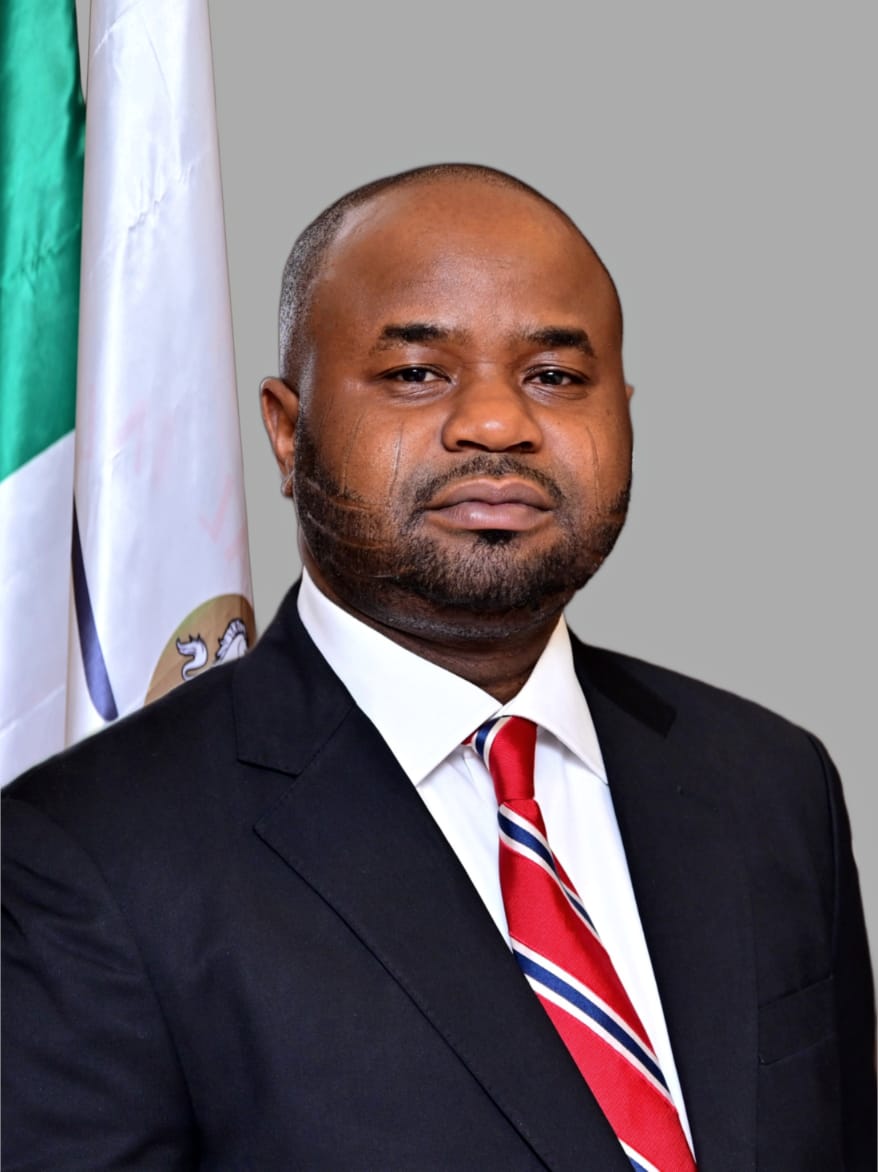
The success of this initiative depends on effective implementation; and the Zacch Adedeji-led Technical Sub-committee has a crucial role to play in this critical, perhaps, even national groundbreaking endeavour which could propel the country into meeting the needs of the present without compromising the ability of the future. Adedeji’s expertise and reputation for delivering results make him an excellent choice. With a strong background in public service, including his tenure as Oyo State Commissioner for Finance, Executive Secretary of the National Sugar Development Council (NSDC), and Executive Chairman of the Federal Inland Revenue Service (FIRS), he possesses the necessary skills to drive transparency and achieve the programme’s objectives.
In the public service environment, bureaucracy dictates that success is shared, not individually claimed. For instance, FIRS operates under the Ministry of Finance, which will likely credit President Bola Tinubu for the programme’s achievements. Ultimately, the president, who also serves as Minister of Petroleum, bears the responsibility. Therefore, this Sub-committee’s work will significantly impact how history judges Tinubu’s government, making it a legacy project.
On paper, the tasks seem straightforward, but two critical issues must be resolved first, otherwise, there will be fundamental defects. Firstly, the Sub-committee must ascertain the accurate crude oil production levels, factoring in theft and forecasting production for the next two years. Secondly, it must confirm the number of forward sales agreements. This is critical as Nigerians are not even sure that forward sales are still not being made. Only after addressing these issues can a realistic figure be set to support local refineries.
If the Federal Government had not issued this directive, Nigeria’s dependence on oil exports and foreign currency would continue to stifle economic growth and diversification. Local refineries would struggle to access affordable crude oil, and the status quo would persist. This would mean missing out on opportunities for economic diversification, growth and development. To ensure cost-effectiveness therefore, the Sub-committee must assess whether the allocated amount will achieve necessary economies of scale, and also consider the opportunity cost of selling in naira, which means forgoing anticipated foreign exchange earnings. Nevertheless, the ultimate goal is to utilize full production capacity domestically and export refined products, in sync with the national interest.
Nigeria currently faces a balance of payment crisis and a dysfunctional economy. The country is not attracting worthwhile investments, apart from ‘hot’ portfolio investors. What we need are patient investors who will eventually translate into socially responsible growth. Therefore, the Sub-committee’s work is crucial in addressing structural debilitation stunting sustainable development. Establishing sustainable refining capacity at home can help address the balance of payment crisis and current account deficit. As a result, this will yield immense foreign exchange savings, benefiting sectors like Aviation, manufacturing, and agriculture. Added to these is that local refining capacity will support the transition to commercial, science-led farming, modernizing agriculture.
The Sub-committee must accurately determine crude oil production levels and verify forward sales contracts. This ensures FIRS receives the correct revenue allocation for the Federation Account. As the sole collection agent for the Federal Government, the Service relies on precise data to manage and distribute resources effectively. In a world that seems to have forgotten its meaning, this underscores the significance of its role in maintaining the country’s economic stability, making it essential to ensure the Sub-committee’s assignment is completed with utmost accuracy and transparency.
The pending sale of national assets in the oil sector is prompted by the departure of major players like AGIP and TOTAL from Down- and Upstream sectors. This development presents a critical concern that requires urgent attention. Indeed, this issue has already sparked intense discussion, as evident in the recent exchange between Oando/OVH/NNPCL and former Vice President Atiku Abubakar.
To fully leverage the naira crude revolution’s potential, NNPCL must address its internal challenges, which hinder its ability to compete with international peers like Aramco, Petrobras and PETRONAS. Unlike these industry leaders, NNPCL faces substantial challenges, including corruption, mismanagement, and security issues, which limit its ability to optimize production, invest in research and development, and diversify its portfolio. For instance, while Petrobras excels in deep-water exploration, NNPCL’s security concerns restrict its ability to explore and extract oil in certain regions. Similarly, while PETRONAS boasts a diversified portfolio, NNPCL’s mismanagement and corruption issues hinder its capacity to invest in new ventures.
Overall, while NNPCL has opportunities for growth, it trails behind peers in terms of technological advancement, financial performance and operational efficiency. As the global energy landscape shifts, Nigeria must adapt or risk being left behind. By adopting best practices and addressing its internal challenges, NNPCL can unlock its full potential and support Nigeria’s economic development. The conventional wisdom, headed by Adedeji, has the technical capacity to get to the bottom of the dysfunction and in the process make path-breaking contributions to national development.
With the September rollout looming, Nigeria’s economic fate is uncertain. Take it or leave it, the Sub-committee can be given a success possibility only if the Tinubu-led administration is prepared to sincerely confront the powerful cabals whose desperation is no more a hidden secret. In a land that’s full of possibilities and questions, it’s like trying to please a room full of hungry lions with a single piece of meat. Indeed, this makes Adedeji and his fellow risk-takers’ job appear even more perilous than leading a conventional war.
The naira crude revolution has the potential to positively impact Nigeria’s economy by reducing reliance on foreign exchange, but its success depends, primarily, on addressing existing challenges. And as Nigeria embarks on this bold initiative, will it be the catalyst for a brighter economic future, or will it succumb to the same pitfalls that have hindered progress in the past? Again, what if the proposed hymn of humanity refuses to be a paean to our collective compassion but a dirge for our societal failures?
At a time like this, one can only wish Zacch Adedeji and his team every success in this complex endeavour!
May the Lamb of God, who takes away the sin of the world, grant us peace in Nigeria!
*KOMOLAFE writes in from Ijebu-Jesa, Osun State, Nigeria (ijebujesa@yahoo.co.uk)