
Forgotten Dairies
Opening Hormuz, Igniting War: Britain’s Gamble, Iran’s Missiles, and the Collapse of Trump’s Peace Plan -By Fransiscus Nanga Roka
Not only did Trump’s peace plan run aground on the Iranian position, it was also impossible due to political demands made by the battlefield. Washington cannot tolerate Iranian control over the strait. Israel will not tolerate a ceasefire leaving Iran’s military capabilities intact. Iran refuses to sign a deal that looks like surrender. And Britain is under economic pressure from having its oil supplies disrupted.

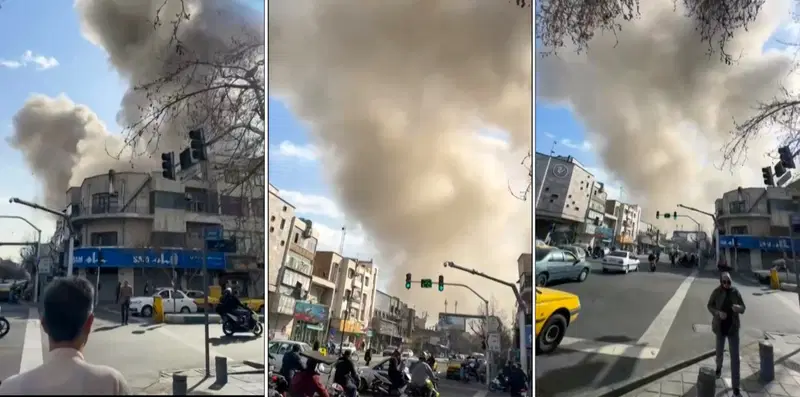
The whole world is looking on and the strait of hormuz changes from an international waterway to a battlefield. What once was the narrow artery of energy trade has turned into the world’s most dangerous geopolitical flashpoint. Now in the U.K.’s push to assemble a coalition and reopen the strait, the missile strikes of Iran against both U.S.A Israeli targets and the sudden failure to go through with Donald Trump’s proposed peace plan are not individual occurrences. These are part of the same story, that of diplomacy failing at a moment when the world dare not fail. It is being painted as The British plan to form an international task force to reopen Hormuz in order to protect the commerce of the whole globe. But in fact, it is one of high strategic risk. London has proposed coordination on security with allies and also talked about operational measures for safe passage through the strait a route that carries around one fifth of the world’s oil. However, any initiative to force the water passageway open is not a technical operation because Tehran will see it as an escalation step that requires reciprocation. Iran has made it clear already that Hormuz is not only geography, it is leverage. It has restricted passage, threatened closure and attacked ships belonging to its enemies while allowing boats from friendly countries through smuggling one way or another into the gulf. Control of the strait has become Iran’s most powerful weapon-not only because of military strength, but also because it is a doorway through which all international commerce travels. Into this volatile mix went Donald Trump ‘s proposed peace plan, a 15 point scheme that was intended to end the war, open Hormuz and freeze escalations. But the plan was scarcely visible before it collapsed. Tehran scotched it out of hand, demanding damages, guarantees for its security and acceptance that it controls Hormuz before there can be talk about a truce at any time.
Iran then engaged in missile attacks on U.S. assets on the one hand and warned negotiations could take place under its terms only. This is the point where diplomacy ceased to be a mode for moving forward and instead gave its support to the war.
Not only did Trump’s peace plan run aground on the Iranian position, it was also impossible due to political demands made by the battlefield. Washington cannot tolerate Iranian control over the strait. Israel will not tolerate a ceasefire leaving Iran’s military capabilities intact. Iran refuses to sign a deal that looks like surrender. And Britain is under economic pressure from having its oil supplies disrupted.
The result is a strategic triangle of contradictions:
• If the West forces open the Strait of Hormuz, Iran will strike.
• If the West does nothing, the world economy will suffer.
• If diplomacy continues with no leverage, there will be no compromise on either side.
This is how regional conflicts turn into international crises.
Financial markets have already responded as if the worst is located ahead. Crude oil prices rose; maritime traffic stalled; and governments throughout Asia and Europe went into panic mode to find alternative energy supplies.
To the Strait of Hormuz, Great Britain’s move is not just a military consideration but also a test of whether the international system can function when a single chokepoint becomes a battleground.
An effort by Britain to open the Strait of Hormuz may be intended to head off disaster, but it could bring it on.
History shows that wars often begin not with great declarations but with operations that leaders think are limited, necessary and controllable. Escort missions become naval clashes. Defensive strikes become regional wars. Regional war becomes global confrontation.
The crash of Trump’s peace plan staves off the last political barrier between crisis and escalation.
Iran indicates defiance.
Israel indicates perseverance.
The US indicates resolve.
Britain is talking intervention.
Hormuz straddle Strait, this narrow little part of inland water, which the whole world wouldn’t be able to do without.
In order to bridge Hormuz, we utilities underground the world productively generated. So that the world may know oil Sbut by making the price its only peace.




















You must be logged in to post a comment Login