National Issues
Reform, Discipline, And Strategy: The Egbetokun Years As IGP -By Adewole Kehinde
In Abuja alone, the squad arrested over 130 kidnapping and robbery suspects and rescued more than 150 victims during early operations.

“The harder the conflict, the more glorious the triumph.” — Thomas Paine
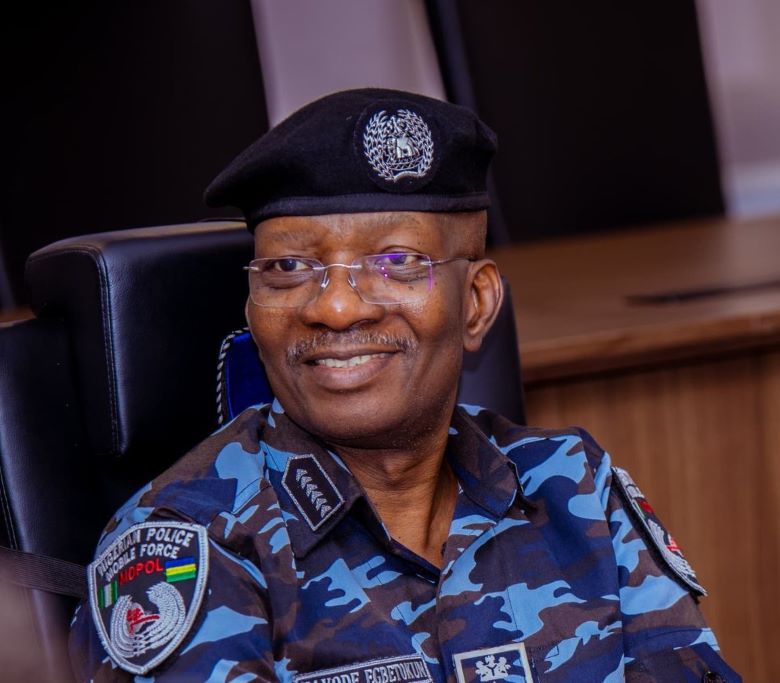
The tenure of Dr. Kayode Egbetokun as Inspector-General of Police marked a significant period of reform, professionalization, and renewed strategic direction within the Nigeria Police Force.
Upon assuming office, Egbetokun prioritized institutional discipline, operational efficiency, and intelligence-driven policing aimed at addressing Nigeria’s evolving security challenges.
His leadership focused on strengthening internal accountability, enhancing community engagement, and improving the operational capacity of officers through targeted training and modernization initiatives.
Under his stewardship, the Force also intensified collaboration with other security agencies, leading to more coordinated responses to crime and national security threats.
Beyond operational improvements, Egbetokun championed reforms designed to rebuild public confidence in policing.
His administration emphasized transparency, technological integration in law enforcement, and improved welfare for officers, recognizing that a motivated and well-equipped police force is central to effective policing.
Through policy adjustments, strategic deployments, and institutional reforms, he laid a foundation for a more responsive and professional police institution, leaving behind a legacy defined by stability, modernization, and a renewed commitment to service within the Nigeria Police Force.
Below is a comprehensive overview of his key achievements and initiatives as IGP.
1. Strengthening Crime-Fighting Operations
One of the most visible achievements of Egbetokun’s leadership was the intensification of police operations nationwide against kidnapping, armed robbery, cultism, and organized crime.
Key results recorded under his tenure include:
- Over 30,000 criminal suspects arrested across Nigeria.
- 1,984 firearms recovered from criminal groups.
- 23,250 rounds of ammunition seized.
- More than 1,581 kidnapped victims rescued.
- Thousands of suspects arrested within months of intensified operations.
These achievements were largely driven by intelligence-led policing strategies and coordinated national operations.
2. Establishment of the Special Intervention Squad (SIS)
Egbetokun introduced the Special Intervention Squad, an elite operational police unit designed to respond rapidly to serious security threats.
The squad was created to:
- Tackle kidnapping and armed banditry
- Respond to organized criminal gangs
- Conduct high-risk tactical operations
- Improve emergency response capacity
In Abuja alone, the squad arrested over 130 kidnapping and robbery suspects and rescued more than 150 victims during early operations.
3. Creation of the Schools Protection Squad
Another landmark initiative was the Schools Protection Squad, established to protect educational institutions from attacks.
Objectives included:
- Preventing school abductions
- Securing schools in vulnerable regions
- Coordinating security with state governments
- Training school administrators on safety protocols
This initiative was part of a broader national safe-schools security strategy.
4. Technology and Digital Policing Reforms
Egbetokun’s administration pushed modernization and digital transformation within the police force.
Key innovations included:
- Automation of the Central Motor Registry
- Strengthening cybercrime detection and prevention
- Increased use of intelligence-gathering technology
- Improved digital documentation and databases for investigations
These measures were aimed at creating a technology-driven policing system.
5. Institutional and Structural Reforms
His tenure introduced several internal reforms to strengthen professionalism in the police.
Major reforms included:
- Upgrading the Police Legal Department into a full Directorate
- Upgrading the Police Medical Department into a full Directorate
Introducing merit-based entry requirements into the Force Criminal Investigation Department
Reorganizing the Force Management Team for operational efficiency
Expanding specialized investigative capacity
These reforms aimed to improve quality of criminal investigations and internal accountability.
6. Community Policing and Public Trust Initiatives
Egbetokun emphasized community policing, encouraging cooperation between police officers and citizens.
Key aspects included:
- Partnerships with community leaders
- Engagement with youth and civil society
- Strengthening intelligence gathering from local communities
- Enhancing trust between the police and the public
This approach helped improve information sharing and crime prevention at the grassroots level.
7. Police Welfare and Infrastructure Development
Egbetokun prioritized improving the welfare and working conditions of officers.
Major efforts included:
- Rehabilitation of police barracks nationwide
- Development of a housing reform framework for officers
- Improvement of police medical services
- Increased focus on officer morale and motivation
These welfare reforms were aimed at boosting professionalism and productivity within the force.
8. Equipment Upgrade and Operational Capacity
The police under Egbetokun acquired new equipment to enhance operational readiness.
Examples include:
- Commissioning 50 operational vehicles for the Explosive Ordnance Disposal (EOD-CBRN) Unit
- Acquisition of new tactical equipment
- Strengthening counter-terrorism capacity
- Logistics support for specialized police units
9. Recognition and Merit-Based Reward System
Egbetokun revived the Nigeria Police Awards and Commendation Ceremony, which recognizes officers for:
- bravery
- integrity
- professionalism
- outstanding service
This initiative helped encourage ethical conduct and reward excellence in the force.
10. Gender and Social Protection Initiatives
His administration also expanded gender-sensitive policing policies, including:
Expansion of gender-based violence desks
Increased roles for female officers in leadership
Improved support systems for victims of domestic and sexual violence
These reforms aimed to make the police more inclusive and responsive to social issues.
11. Infrastructure Development Projects
Several police infrastructure projects were initiated or upgraded during his tenure, including:
- Expansion of police operational facilities
- Commissioning of security and training facilities
- Development of the Nigeria Police Resource Centre in Abuja
These projects were designed to improve training, research, and policy development in policing.
Awards and Recognition
Due to his leadership in security reforms, Egbetokun received recognition including:
- African Security Person of the Year (2025) at the Democracy Heroes Awards.
Overall, the tenure of IGP Kayode Egbetokun was characterized by:
- Intensified crime-fighting operations
- Creation of specialized security units
- Technology-driven policing reforms
- Institutional restructuring
- Improved police welfare and infrastructure
- Stronger community policing strategies
These initiatives were aimed at transforming the Nigeria Police Force into a more professional, modern, and effective security institution.
Adewole Kehinde is a public affairs analyst based in Abuja. Email: kennyadewole@gmail.com 08166240846